Choosing an insulation installer is more than just comparing quotes — the accreditations a company holds tell you a great deal about their professionalism, technical knowledge, and commitment to doing the job right. In New Zealand, several recognised schemes and registrations apply to insulation work, and knowing what to look for can save you from costly mistakes or non-compliant installations.
Why Accreditation Matters in NZ
Insulation work in New Zealand must comply with the NZ Building Code, particularly Clause H1 (Energy Efficiency), which sets minimum thermal performance requirements for new builds and significant alterations. Poor installation — gaps, compression, or wrong R-values — can mean your home fails to meet code, loses heat rapidly, or even creates moisture problems covered under Clause E3 (Internal Moisture).
Accreditation schemes give you confidence that an installer understands these requirements and has been assessed against industry standards. MBIE Building Performance is the authority on what the Building Code requires, and it's worth familiarising yourself with their guidance before hiring anyone.
Key Accreditation Schemes to Look For
1. EECA-Registered Installer (Warmer Kiwi Homes)
The Energy Efficiency and Conservation Authority (EECA) runs the Warmer Kiwi Homes programme, which subsidises ceiling and underfloor insulation for eligible homeowners. To carry out work under this scheme, installers must be EECA-registered. This registration requires companies to meet quality standards, use approved products, and have their work audited. If you're eligible for a subsidy, your installer must be EECA-registered — and even if you're not, registration is a strong signal of quality. Check Energywise for details on the programme and how to find registered installers.
2. Licensed Building Practitioner (LBP) — Where Required
Some insulation work — particularly in new builds or significant alterations — may form part of restricted building work (RBW), which must be carried out or supervised by a Licensed Building Practitioner. While installing insulation itself is not always restricted work, the broader project it sits within may require LBP involvement. Always check with your local council and confirm with your installer whether an LBP is needed. You can verify LBP status at Licensed Building Practitioners.
3. Homestar Accreditation
Homestar is New Zealand's independent rating tool for the health, warmth, and efficiency of homes, administered by the New Zealand Green Building Council (NZGBC). Installers and builders working on Homestar-rated projects must meet specific insulation performance criteria. If you're building or renovating with sustainability in mind, choosing an installer familiar with Homestar requirements is a real advantage.
4. Manufacturer Training and Certification
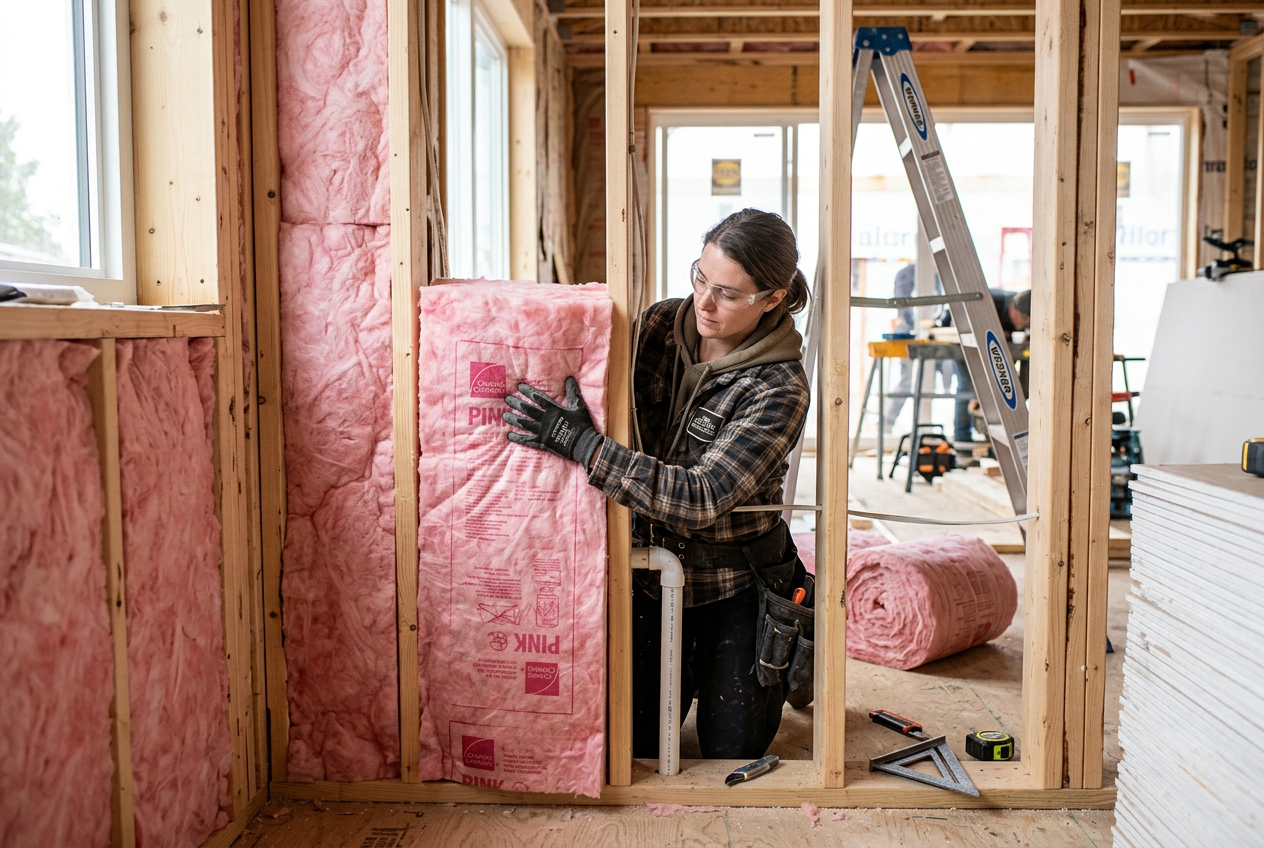
Reputable insulation companies will often hold product-specific training certifications from manufacturers. In NZ, well-known insulation brands include Pink Batts (Fletcher Insulation), Knauf Insulation, and Autex. Manufacturer certification means the installer knows how to correctly handle, cut, and fit that specific product to achieve its rated R-value — because even the best insulation performs poorly if installed incorrectly.
5. SiteSafe or Similar Health & Safety Membership
A professional insulation company should demonstrate a commitment to health and safety, particularly when working in confined spaces like subfloors and roof cavities. Membership with SiteSafe New Zealand or a similar H&S organisation shows the company takes worker and homeowner safety seriously. WorkSafe NZ sets the legal framework for safe work practices in NZ.
6. Master Builders or Certified Builders Affiliation
Some insulation companies operate as part of a broader building or renovation business. In those cases, affiliation with Master Builders or Certified Builders adds another layer of accountability, including access to guarantees and dispute resolution processes.
What to Check Before You Hire
Here's a quick reference table of what to ask any insulation company:
| What to Check | Why It Matters |
|---|---|
| EECA registration | Required for subsidised work; signals quality |
| LBP (if applicable) | Legal requirement for restricted building work |
| Manufacturer training | Ensures correct product installation |
| H&S membership (e.g. SiteSafe) | Safe work in confined spaces |
| Public liability insurance | Protects you if something goes wrong |
| Written quote with R-values specified | Confirms compliance with H1 requirements |
Always ask for proof of any accreditation claimed — reputable companies will have no hesitation providing documentation or registration numbers.
Healthy Homes Standards
If you're a landlord, insulation is a legal requirement under the Healthy Homes Standards. Rental properties must meet specific ceiling and underfloor insulation requirements, and using an accredited installer helps ensure your property is compliant. Full details are available at Tenancy Services.
When to Call a Professional
While some homeowners choose to install underfloor insulation themselves (it is not restricted work in most cases), ceiling insulation in particular carries real risks — working near live electrical wiring, in confined dusty spaces, and around recessed lighting that requires fire-rated clearances. Always use a qualified, accredited installer for ceiling insulation. For any insulation work forming part of a consented project, confirm requirements with your local council and check MBIE Building Performance for guidance.
You can find qualified, accredited insulation installers in your area right here on tradedirectory.co.nz.