See the latest posts from tradesmen around the country

Smoke Detectors vs Heat Detectors: When Is Each One Used?

Smoke detectors and heat detectors serve different purposes. Learn which type suits each room in your NZ home or building.

Smoke Detectors vs Heat Detectors: When Is Each One Used?

Smoke detectors and heat detectors both play important roles in fire protection, but they work differently and suit different locations. Choosing the right type — or the right combination — can make a real difference to how quickly a fire is detected and how many false alarms you deal with.

How Each Type Works

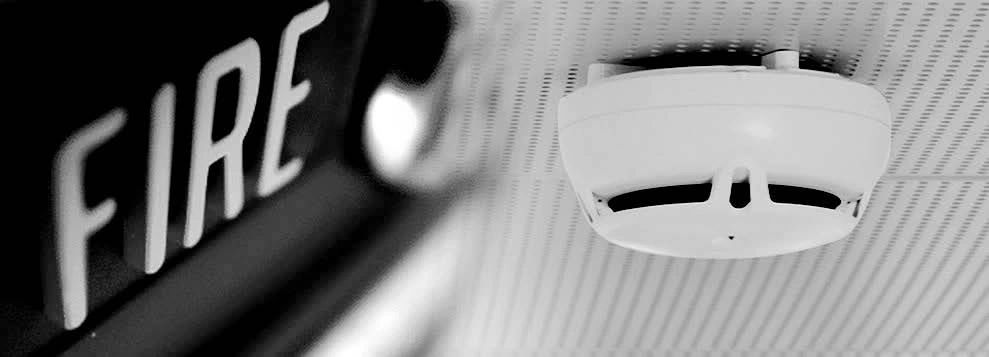
Smoke detectors sense the presence of smoke particles in the air. There are two main technologies:

  • Photoelectric (optical) smoke alarms use a light beam inside the detector chamber. When smoke enters and scatters the beam, the alarm triggers. These are generally better at detecting slow, smouldering fires — the kind that can build up silently overnight.
  • Ionisation smoke alarms use a small radioactive source to ionise air inside a chamber; smoke disrupts the ion flow and triggers the alarm. These tend to respond faster to fast-flaming fires but are more prone to nuisance alarms from cooking.

Heat detectors do not sense smoke at all. Instead, they respond to a rise in air temperature. There are two common types:

  • Fixed-temperature heat detectors trigger when the air temperature reaches a set threshold (for example, 57°C or 90°C depending on the model and application).
  • Rate-of-rise heat detectors trigger when the temperature climbs unusually quickly, even if the absolute temperature is still relatively low.

Some detectors combine both rate-of-rise and fixed-temperature sensing for added reliability.

Where to Use Smoke Detectors

Smoke detectors are the right choice for most living areas where early warning is the priority and smoke is the first sign of a fire. Typical locations include:

  • Hallways and corridors — especially near bedroom doors, where early warning gives sleeping occupants time to escape
  • Living rooms and lounge areas
  • Bedrooms (particularly recommended)
  • Stairwells

Fire and Emergency New Zealand (FENZ) recommends photoelectric smoke alarms for homes because they are better at detecting the slow, smouldering fires that are most common in residential settings and give earlier warning when people are asleep.

Under the Residential Tenancies Act, rental properties in New Zealand must have working smoke alarms. The rules require long-life photoelectric alarms (or hard-wired alarms), generally positioned within 3 metres of each bedroom door. Check Tenancy Services for the current requirements, as these rules have been updated in recent years.

Where to Use Heat Detectors

Heat detectors are the better choice in environments where smoke detectors would generate constant false alarms or where smoke and steam are a normal part of the environment. Common locations include:

  • Kitchens — cooking produces smoke and steam that would repeatedly trigger a smoke alarm
  • Garages — vehicle exhaust fumes and dust can cause nuisance alarms
  • Workshops and utility rooms — sawdust, fumes and steam are common
  • Roof spaces and lofts — dusty environments where smoke detectors are unreliable
  • Bathrooms — steam from showers can trigger smoke alarms

Because heat detectors only respond once a fire has already produced significant heat, they provide later warning than smoke detectors. They are generally not recommended as the sole detection device in sleeping areas or escape routes where early warning is critical.

Comparing the Two: A Quick Reference

FeatureSmoke DetectorHeat Detector
DetectsSmoke particlesTemperature rise
Best forLiving areas, bedrooms, hallwaysKitchens, garages, dusty spaces
Warning speedEarly (especially photoelectric)Later (fire must produce heat)
False alarm riskHigher in kitchens/dusty areasLower in problem environments
Recommended for sleeping areas?YesNo (as sole device)

NZ Building Code and Commercial Buildings

For commercial, industrial and multi-unit residential buildings, fire detection systems must comply with the NZ Building Code — particularly Clause C (protection from fire). Automatic fire alarm and detection systems are typically designed to the relevant NZ Standard for fire detection and alarm systems; confirm the applicable standard with a licensed fire protection specialist or Standards NZ.

In commercial buildings, fire detection systems are usually specified systems listed on the building's compliance schedule. These must be inspected and maintained by a suitably qualified person — typically an Independent Qualified Person (IQP) registered with your local council. Building owners must supply an annual Building Warrant of Fitness (BWOF) to the council confirming these systems are performing. Homeowners in standalone private residences are not subject to BWOF requirements, but should still maintain their alarms in good working order.

BRANZ is a useful resource for research-backed guidance on fire safety in NZ buildings.

Combination and Multi-Sensor Detectors

Some modern detectors combine smoke and heat sensing (and sometimes carbon monoxide detection) in a single unit. These multi-sensor detectors can reduce false alarms while maintaining reliable detection. They may be worth considering in areas where you are unsure which single technology is best. Ask a fire protection specialist for advice on your specific situation.

When to Call a Professional

For a straightforward residential smoke alarm replacement in a standalone home, a competent homeowner can generally swap like-for-like battery-operated units. However, you should engage a licensed fire protection specialist for:

  • Designing or installing a new detection system in a commercial, industrial or multi-unit building
  • Hard-wired or interconnected alarm systems (electrical work may be restricted work under the Electrical Workers Registration Board — check with EWRB)
  • Any system that forms part of a compliance schedule or requires IQP sign-off
  • Advice on which detector types are right for a complex layout or unusual environment

You can find qualified local fire protection specialists on tradedirectory.co.nz.

Frequently Asked Questions

Can I use a heat detector instead of a smoke alarm in my bedroom?+

No — heat detectors are not recommended as the sole detection device in bedrooms or sleeping areas. Because they only respond once a fire has produced significant heat, they give much later warning than smoke detectors. A photoelectric smoke alarm is the right choice for bedrooms and hallways near bedroom doors.

Why does my kitchen smoke alarm keep going off when I cook?+

Cooking produces smoke, steam and aerosols that can trigger smoke alarms — especially ionisation types. The best solution for a kitchen is to replace the smoke alarm with a heat detector, which will only activate if the temperature rises to a dangerous level rather than responding to normal cooking activity.

What type of smoke alarm does NZ law require in rental properties?+

Under the Residential Tenancies Act, rental properties must have working long-life photoelectric smoke alarms (or hard-wired alarms), generally positioned within 3 metres of each bedroom door. Check Tenancy Services (tenancy.govt.nz) for the current rules, as requirements have been updated in recent years.

Do I need a building consent to install smoke alarms or heat detectors in my home?+

Replacing like-for-like battery-operated smoke alarms in a private home generally does not require a building consent. However, installing a new hard-wired or interconnected system, or any work in a commercial building, may require consent or involve restricted electrical work. Always confirm with your local council and check with a licensed tradesperson if you are unsure.

How often should smoke and heat detectors be tested and replaced?+

FENZ recommends testing smoke alarms monthly by pressing the test button, and replacing battery-operated alarms according to the manufacturer's instructions — typically every 10 years for long-life sealed units, or sooner if the alarm chirps or fails to respond. For commercial buildings with specified systems, maintenance intervals are set by the relevant NZ Standard and must be carried out by a suitably qualified person. Check with your fire protection specialist or IQP for the correct schedule.

Need a Fire Protection Specialist?

Find qualified fire protection specialists near you in our directory.

Find a Fire Protection Specialist →

Fire Protection Specialists Near You

FT

Fire Protection Specialist

Waimauku, Auckland

The Fireplace Technician offers professional fireplace cleaning and installation services in Auckland and wood burner solutions throughout New Zealand. Specialising in outdoor fireplaces in Auckland, their team combines functionality with style to enhance your outdoor living areas. They also provide expert chimney sweep and cleaning services in Auckland to ensure the safety and efficiency of your fireplace. Whether you require fireplace repairs in Auckland or a custom wood fireplace, The Fireplace Technician provides personalised solutions to suit your needs. With a team of skilled technicians, they ensure that every installation and repair meets the highest standards, keeping your home cosy and welcoming. Trust The Fireplace Technician for reliable expertise in all your fireplace requirements.

chimney cleaning aucklandchimney sweepoutdoor fireplace auckland
Firemint Limited logo

Fire Protection Specialist

Manukau, Auckland

Since its inception in August 2010, Firemint Limited has been a leader in designing, installation, testing and commissioning and further maintenance of Fire Protection Systems, BWOF, IQP inspections, CCTV & Access Control System in Auckland. With strong customer focus, Firemint Limited has become a leader in providing services and solutions for Fire Fighting, Detection and Alarm Systems. Firemint Limited offers Building Warrant of Fitness checks in Auckland and Waikato. We are doing all works through this skilled manpower with world class tools and technology. The company is driven by high values that include integrity, transparency and delivering the highest quality within specified time limit with full customer satisfaction that’s why more than 90% business we are getting from our existing customers. We have separate team for after sales service equipped with latest tools & machinery. The combination of people, process and technology focus us to deliver the committed objective of value Creation for our clients. Modern’s advanced approach to fire engineering means that we rise to the challenges posed by all types of structures. Whether providing code consultancy, strategic advice, fire prevention through specialized fire safety design, construction supervision, inspection and risk assessment, or post-fire recovery, our work is grounded in fire science. We add insight into risk and human behavior, advanced techniques in simulation and analysis and international investment in research to stay at the forefront of fire engineering. Whatever the context, we tailor our response to match clients’ individual objectives – from strategies to manage their fire safety and protection risks and user-friendly management regimes, to construction compliance services that reduce program delays. Our longstanding expertise brings the skill needed to assist in recovery and analysis following fire.

Fire Protection ServicesBWOF & IQP Inspections
Apex Fire And Security logo

Fire Protection Specialist

Waikato, Waikato

- apexfireandsecurity.co.nz PROTECTING WHAT MATTERS MOST Apex Fire And Security provides reliable fire protection, building compliance, and security solutions for residential, commercial, and industrial clients. We are committed to helping our customers maintain safe, secure, and compliant environments through quality workmanship and dependable service. Get in Touch OUR 🔥 Fire Protection Installation, servicing & maintenance 📋 BWOF Inspections IQP inspections...

Fire Guard logo

Fire Protection Specialist

Auckland, Auckland

Fire Guard - #1 New Zealand Fire Stopping Skip links Skip to primary navigation ONE-STOP SHOP OFFERING FULL CONSULTATION TAILORED OPTIONS CONSULT CONSULT PLAN & INSTALL PASSIVE FIRE PROTECTION INSTALL INSTALL This website uses cookies to improve your web experience. Accept Adding {{itemName}} to cart Added {{itemName}} to cart Loading...

Fire protection team logo

Fire Protection Specialist

Auckland, Auckland

Fire Protection Team Team Our Recent Finished 1250 Dominion Road Kainga Ora Britomart Station Ongoing Sensient Mt Wellington Baskete Wairoa Thai Restaurant Broadway Future Kainga Ora Auckland NZ Housing Kainga Ora Hasting us Fire Protection Team provides reliable and cost-effective fire alarm testing and maintenance across New Zealand Explore Our Products Learn More us Who we are Fire Protection Team is a New...

Taranaki Fire Protection and Compliance Ltd logo

Fire Protection Specialist

Stratford, Taranaki

Taranaki Fire Protection and Compliance - Building Compliance, Building Compliance, Fire Protection, Fire Protection 021588144 Welcome to Taranaki Fire Protection and Compliance Limited Welcome to Taranaki Fire Protection and Compliance Limited Welcome to Taranaki Fire Protection and Compliance Limited Welcome to Taranaki Fire Protection and Compliance Limited Welcome to Taranaki Fire Protection and Compliance Limited Welcome to Taranaki Fire Protection and Compliance Limited Get in...

Last updated: Last reviewed:

The information on this page is provided as a general guide only. Kiwi Trade Directory makes no representations or warranties regarding the accuracy, completeness, or suitability of this information for your specific situation. Costs, timeframes, and recommendations vary significantly depending on your location, property, and individual circumstances. Always obtain multiple quotes from qualified tradespeople and seek independent professional advice before undertaking any home improvement or building work. Kiwi Trade Directory accepts no liability for any loss or damage arising from reliance on the information provided on this site.