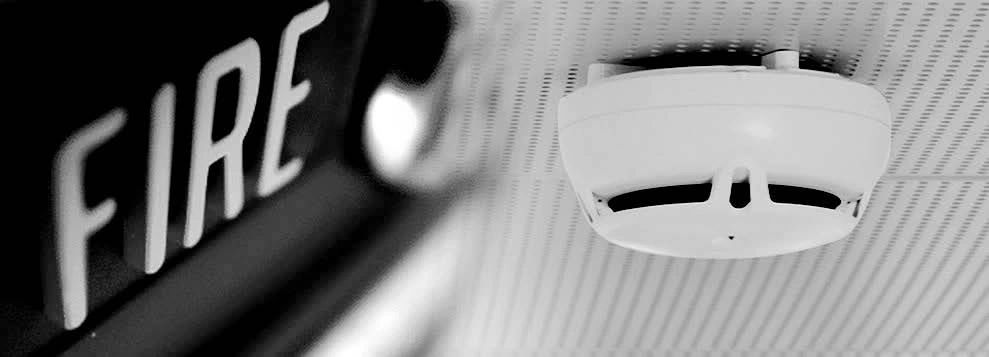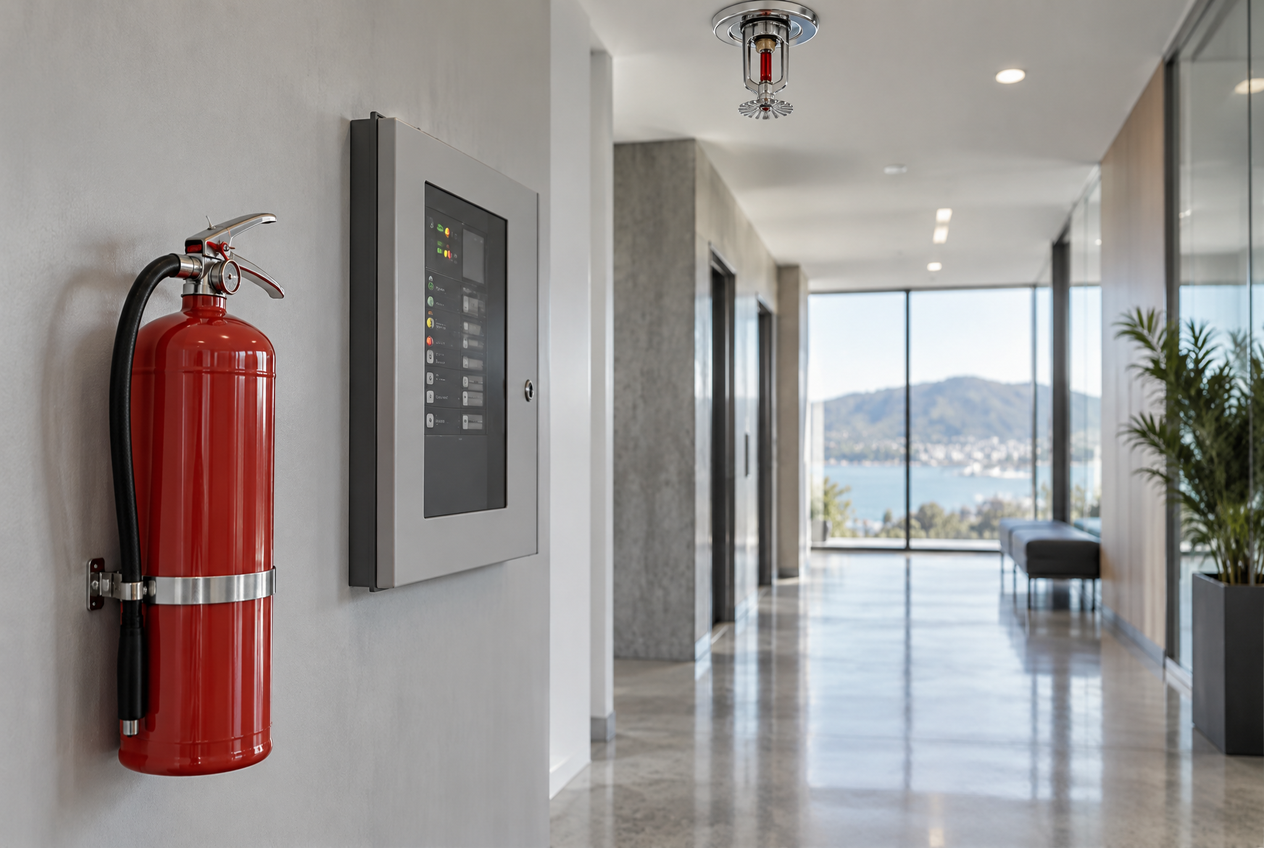
Every home in New Zealand should have working smoke alarms — and for rental properties, it's a legal requirement. The rules cover the type of alarm, where it must be placed, and how it must be maintained. Whether you're a homeowner, landlord, or tenant, understanding these requirements could save lives.
What the Law Requires for Rental Properties
Under the Residential Tenancies Act 1986 (as amended), landlords must ensure rental properties have working smoke alarms that meet specific standards. These requirements are part of the broader residential tenancy regulations. Key obligations include:
- Smoke alarms must be long-life photoelectric alarms (with a battery life of at least eight years) or hard-wired alarms
- Alarms must be installed within 3 metres of each bedroom door (measured along the ceiling or wall)
- At least one alarm is required on each level of the home
- Alarms must be in working order at the start of each new tenancy
For the most current and detailed requirements, always check Tenancy Services directly, as rules can be updated.
Why Photoelectric Alarms Are Recommended
Photoelectric smoke alarms are recommended for all NZ homes — not just rentals. Unlike older ionisation-type alarms, photoelectric alarms are better at detecting slow, smouldering fires, which are common in residential settings and can develop while occupants are asleep.
Fire and Emergency New Zealand (FENZ) strongly recommends photoelectric alarms for homes. If you have older ionisation-type alarms, it's worth replacing them even if they're not legally required to be changed in an owner-occupied home.
Placement Guidelines at a Glance
| Location | Requirement |
|---|---|
| Near each bedroom | Within 3 metres of every bedroom door (rentals) |
| Each level of the home | At least one alarm per storey |
| Kitchen | Avoid placing directly above the stove; use a heat alarm if needed |
| Garage | Not typically required, but recommended |
| Ceiling mounting | Preferred; keep away from corners and air vents |
For owner-occupied homes, there is currently no specific legal placement requirement under the Building Code for existing dwellings, but following the rental property guidelines is considered best practice.
Maintenance Responsibilities
Proper maintenance is just as important as correct placement. Here's what's expected:
For Landlords
- Ensure alarms are working at the start of each tenancy
- Replace alarms that have reached the end of their service life
- Keep records of alarm installation and maintenance
For Tenants
- Do not tamper with or remove smoke alarms
- Replace batteries in alarms that are not long-life or hard-wired (if this is your responsibility under the tenancy agreement — check your agreement)
- Report any faulty alarms to the landlord promptly
For All Homeowners
- Test your alarms monthly by pressing the test button
- Replace the entire alarm unit when it reaches the end of its manufacturer-recommended life (typically 10 years, but check the label)
- Keep alarms free of dust and insects — a gentle vacuum around the vents helps
- Never paint over an alarm or cover it
- Never remove an alarm or disconnect it to stop nuisance beeping — investigate the cause instead
Hard-Wired vs. Battery-Operated Alarms
Hard-wired smoke alarms are connected to your home's electrical system and often include a battery backup. Installing or modifying hard-wired alarms involves your home's electrical wiring, which is restricted electrical work under NZ law. This must be carried out by a registered electrician — you cannot legally do this yourself. Check the Electrical Workers Registration Board (EWRB) to verify a tradesperson's registration.
Battery-operated long-life photoelectric alarms can generally be installed by a homeowner or tenant, as they simply clip or screw to the ceiling without connecting to fixed wiring.
New Builds and the NZ Building Code
For new residential buildings, smoke alarm requirements are set out under the NZ Building Code. New builds typically require hard-wired interconnected smoke alarms. If you're building or significantly renovating, your building consent documents will specify what's required — check with your local council and your licensed building practitioner. You can find guidance at MBIE Building Performance.
What About Commercial Buildings?
Commercial and public buildings have a separate, more complex set of requirements. Fire detection and alarm systems in these buildings are specified systems under the Building Act 2004, and must be inspected and maintained by a suitably qualified person — typically an Independent Qualified Person (IQP) registered with the local council. Building owners must supply an annual Building Warrant of Fitness (BWOF) to their council confirming these systems are performing. This is very different from the residential rules above.
When to Call a Professional
You should contact a licensed fire protection specialist or registered electrician if:
- You need hard-wired smoke alarms installed, replaced, or interconnected
- You're unsure whether your rental property meets the current Healthy Homes requirements
- You're building or renovating and need to meet Building Code requirements
- You manage a commercial property and need IQP inspections or BWOF compliance
- An alarm keeps sounding without an obvious cause and you can't identify why
A qualified fire protection specialist can assess your home, recommend the right products, and ensure everything is correctly installed. You can find local fire protection specialists and registered electricians on tradedirectory.co.nz.