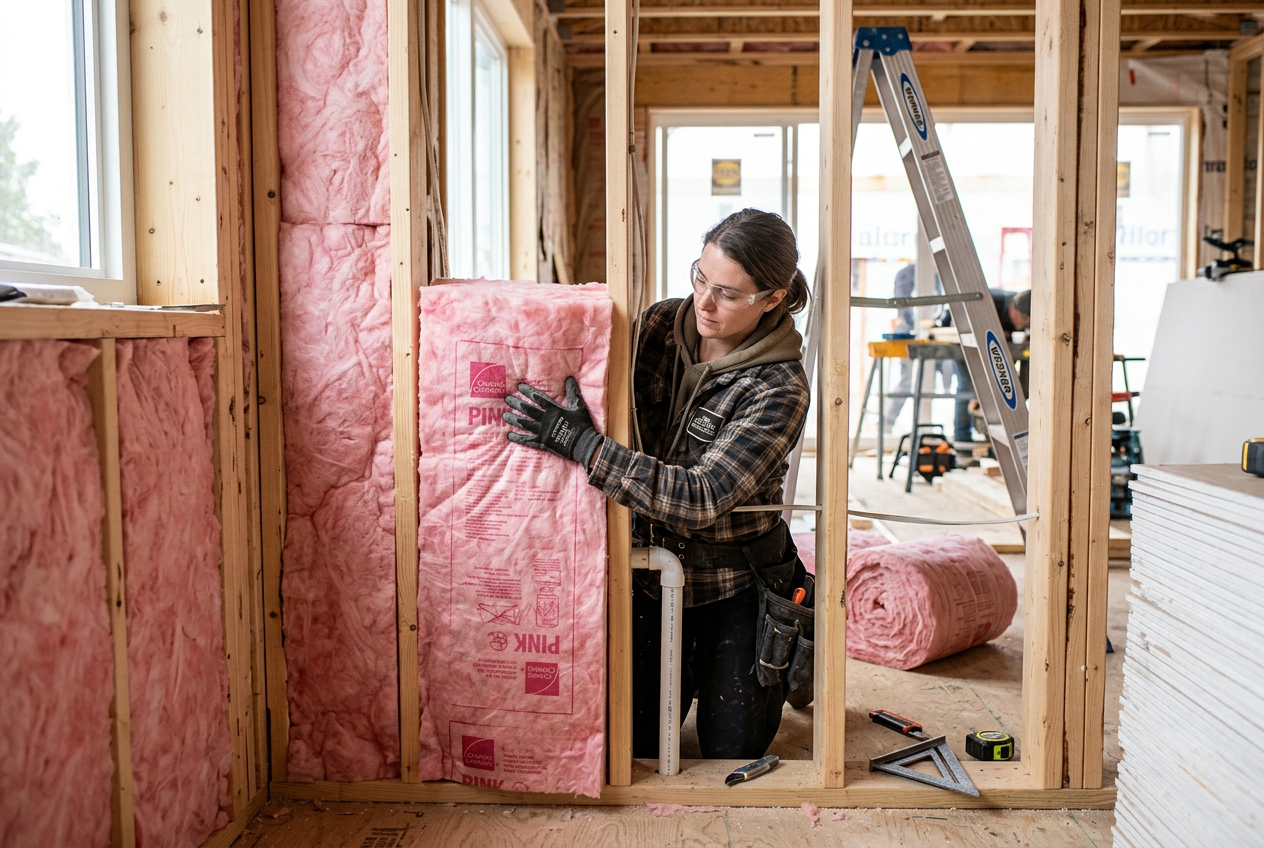
In most NZ renovations, insulation should be installed after the structural and weathertight work is complete but before interior linings and finishing trades begin. Getting the sequence right saves you from tearing out freshly painted walls or newly laid flooring — and it ensures your insulation performs as intended under the NZ Building Code.
Why Timing Matters
Insulation that gets wet during construction can lose its thermal performance and potentially cause moisture problems down the track. Equally, if linings go up before insulation is fitted, you may end up with cold spots, condensation issues, or the need for expensive remedial work. Planning the order carefully from the start is well worth the effort.
The General Renovation Sequence
A typical NZ renovation follows a rough order of trades. Here's where insulation fits in:
| Stage | Trade | Notes |
|---|---|---|
| 1 | Demolition & structural work | Remove old linings, repair framing |
| 2 | Weathertightness | Roofing, cladding, windows, flashings |
| 3 | Rough-in services | Electrical, plumbing, gas lines in walls |
| 4 | Insulation | Install before linings go up |
| 5 | Interior linings | GIB plasterboard, timber lining |
| 6 | Finishing trades | Painting, tiling, flooring, joinery |
The key rule: insulation goes in after rough-in services but before linings. This gives electricians and plumbers clear access to wall cavities, and gives your insulation installer a clean, dry space to work in.
Ceiling Insulation
Ceiling insulation is often the most straightforward to time. If you have accessible roof space, it can sometimes be installed independently of other renovation work — even in an occupied home. However, if you're replacing the ceiling lining or doing any roof framing work, wait until that's complete and the roof is weathertight before insulating.
For new or replacement bulk insulation (glasswool batts, polyester batts, or loose-fill), the space must be dry and free of debris. Check that any recessed lighting is rated for insulation contact (IC-rated) or has appropriate clearance — your electrician should confirm this before insulation goes in.
Wall Insulation
Wall cavities must be fully accessible, so insulation is installed after all rough-in electrical and plumbing work is signed off but before GIB or other linings are fixed. If you're re-lining existing walls, this is your opportunity to add or upgrade wall insulation — don't miss it.
In NZ, wall insulation requirements are set out in the NZ Building Code, with minimum R-values depending on your climate zone. New Zealand has three climate zones, and homes in the South Island or central North Island generally need higher R-values than those in the far north.
Underfloor Insulation
Underfloor insulation is more flexible in terms of timing because it's typically installed from below in the subfloor space. This means it can often be done independently of other renovation work, as long as there's safe access under the house. It's a good idea to complete any underfloor plumbing work first, so pipes aren't disturbed after insulation is in place.
Under the Healthy Homes Standards, rental properties must have underfloor insulation that meets minimum requirements — another reason to get this sorted early if you're renovating a rental.
New Builds and Major Renovations Requiring Consent
If your renovation requires a building consent, your insulation will need to meet the current NZ Building Code requirements and will be inspected before linings are closed in. Your building inspector will need to see the insulation in place before approving the pre-line inspection. Missing this step can mean opening walls back up — a costly mistake.
Always check with your local council about what requires consent. MBIE Building Performance has useful guidance on Schedule 1 exemptions, but confirm with your council before assuming work is exempt.
Moisture: A Key NZ Consideration
New Zealand's damp climate — particularly in regions like Northland, the West Coast, and Wellington — means moisture management is critical. Never install insulation into a wet or damp cavity. If framing has been exposed to rain, allow it to dry thoroughly first. BRANZ provides excellent technical guidance on moisture management in NZ construction.
Coordinating With Other Trades
Good communication between trades is essential. Let your insulation installer know the renovation programme so they can schedule their visit at the right time. Insulation installers typically need one to two days' notice and a clear, dry site. If other trades are still working in the space, it's usually better to wait.
When to Call a Professional
While some underfloor insulation products are available to homeowners at stores like Bunnings or Mitre 10, a professional installer will ensure correct R-values, proper fitting without gaps or compression, and compliance with the Building Code. Poorly fitted insulation can underperform significantly — even small gaps can reduce effectiveness by a large margin.
For any work involving wall cavities in a consented renovation, or if you're unsure about compliance, engage a qualified insulation installer. You can find local insulation professionals on tradedirectory.co.nz.
Note: Any electrical work in wall cavities (such as adding or moving cables) is restricted electrical work and must be carried out by a registered electrician under the Electrical Workers Registration Board rules. Similarly, plumbing alterations must be done by a licensed plumber registered with the Plumbers, Gasfitters and Drainlayers Board.