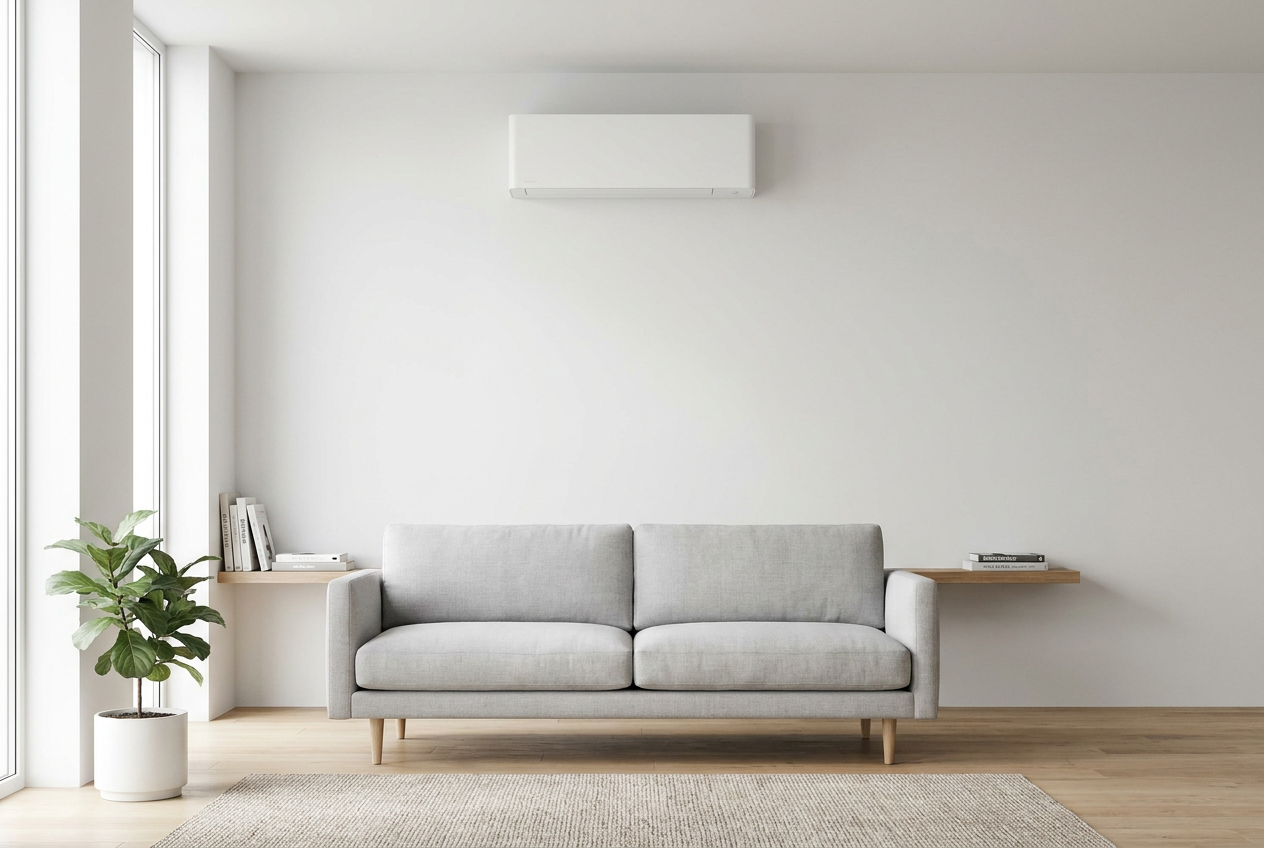
You don't need to be present for every minute of a heat pump installation, but there are a few key moments where your involvement really helps. Most installations in New Zealand take between two and five hours depending on the system type and complexity, so understanding what happens on the day will help you plan accordingly.
What Happens During a Typical Heat Pump Installation
A standard split-system heat pump installation involves mounting the indoor unit (head unit) on an interior wall, installing the outdoor unit (compressor) on a bracket or concrete pad outside, running refrigerant lines and electrical cabling between the two, and commissioning the system. The installer will also need to drill through an exterior wall to pass the refrigerant lines and drainage pipe through.
For a multi-split or ducted system, the job is more involved and may take a full day or longer, sometimes requiring a return visit.
When You Should Be Home
At the Start of the Job
Being home when the installers arrive is important. This is when you:
- Confirm the exact placement of the indoor and outdoor units
- Discuss any concerns about aesthetics, noise, or access
- Point out any obstacles like wiring, insulation, or pipes inside walls
- Ensure the installers have access to your switchboard and any locked areas
Getting these decisions right at the beginning avoids costly changes later, so this is the most valuable time to be present.
At the End of the Job
You should also be home when the installation is complete. The installer will:
- Walk you through how to operate the unit and remote control
- Show you how to clean the filters (typically every few weeks during heavy use)
- Provide you with documentation, including the Certificate of Compliance (CoC) for the electrical work
- Answer any questions about warranty and maintenance
Under NZ regulations, all electrical work connected to a heat pump — including wiring to the dedicated circuit at the switchboard — is restricted electrical work that must be carried out by a registered electrician. You can confirm your installer's registration with the Electrical Workers Registration Board. Always ask for your CoC at the end of the job; you are legally entitled to it.
During the Middle of the Installation
Once the job is underway and you've confirmed placement, most homeowners don't need to hover over the installers. A reputable tradesperson will get on with the work professionally. You can go about your day at home or, if you need to leave briefly, check with the installer first — they may need access to certain areas or your switchboard at various points.
Can You Leave the House Entirely?
This depends on the job. For a straightforward single-split installation with a trusted, established company, some homeowners do leave briefly. However, it's generally not recommended to leave the property entirely because:
- Installers may need to ask questions mid-job
- Unexpected issues (e.g., wall cavity obstructions, switchboard capacity) may require your input or consent before proceeding
- You'll want to be there to lock up and check the work before signing off
If you genuinely can't be home, discuss this with your installer beforehand. Some companies are comfortable with a trusted adult being present in your place, but confirm this arrangement clearly.
Preparing Your Home Before the Installer Arrives
A little preparation goes a long way:
| Task | Why It Matters |
|---|---|
| Clear the wall area where the indoor unit will go | Gives installers safe, easy access |
| Move furniture away from the installation zone | Protects your belongings from dust and drilling debris |
| Ensure outdoor unit location is accessible | Avoids delays on the day |
| Know where your switchboard is | Electrical connection is part of the job |
| Have your preferred placement in mind | Saves time and avoids rework |
Building Consent and Compliance
Most standard residential heat pump installations in NZ are exempt from building consent under Schedule 1 of the Building Act, but this is not universal — always check with your local council if you're unsure, particularly for ducted systems or installations in commercial or multi-unit buildings. MBIE Building Performance has useful guidance on what work requires consent.
For rental properties, landlords should also be aware of Healthy Homes Standards, which set heating requirements that a heat pump can help meet.
Safety Note
Never attempt to handle refrigerant lines, electrical connections, or switchboard work yourself. Refrigerant handling requires appropriate certification in NZ, and electrical connection is restricted work under the Electricity Act. WorkSafe NZ provides guidance on electrical safety in the home.
When to Call a Professional
Always use a qualified, experienced heat pump installer for this work. A good installer will be a registered electrician or work alongside one, hold the appropriate refrigerant handling certification, and be able to advise you on the best unit placement for your home's layout and NZ climate conditions. You can find licensed heat pump installers in your area on tradedirectory.co.nz.



 ISO 9001






