See the latest posts from tradesmen around the country
Material GuideTiler

Porcelain vs Ceramic Tiles: Which Should You Choose?

Deciding between porcelain and ceramic tiles? This guide breaks down the real differences to help NZ homeowners choose the right tile for every room.

Porcelain vs Ceramic Tiles: Which Should You Choose?

Choosing between porcelain and ceramic tiles is one of the most common decisions NZ homeowners face when renovating a bathroom, kitchen, or outdoor area. Both are fired clay products, both look great, and both are widely available — but they behave quite differently once they're on your floor or wall. Understanding those differences before you buy can save you money, frustration, and a premature re-tile.

What Is a Ceramic Tile?

Ceramic tiles are made from a mixture of natural clays, minerals, and water, shaped and fired at relatively lower temperatures. They are generally lighter, easier to cut, and less dense than porcelain. Most ceramic tiles have a glazed surface — a hard, glass-like coating that provides colour, pattern, and a degree of water resistance. The body beneath the glaze (called the bisque) is typically off-white or red and remains porous.

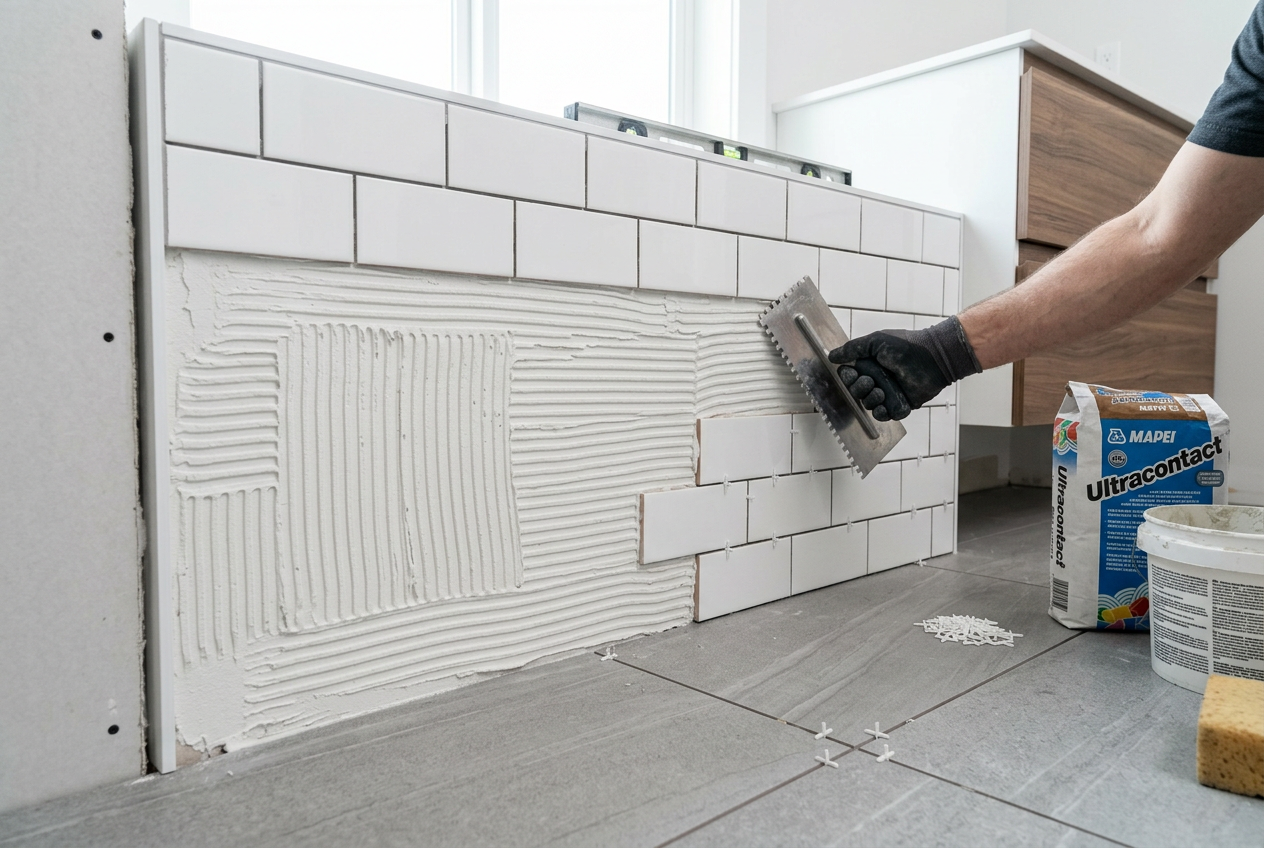
Ceramic tiles are a solid choice for interior walls and low-traffic floors where they won't be subjected to heavy wear or prolonged moisture exposure. They're a popular option in NZ bathrooms and kitchen splashbacks, and their lighter weight makes them easier to handle for a DIY tiler.

What Is a Porcelain Tile?

Porcelain tiles are a type of ceramic tile, but they're made from finer, denser clays and fired at much higher temperatures. This process produces a tile with a water absorption rate of 0.5% or less — the threshold defined by international standards — making them significantly less porous than standard ceramic. Many porcelain tiles are full-body (the colour and pattern run all the way through), so chips and scratches are far less visible.

Porcelain is harder, heavier, and more durable. It's the go-to choice for high-traffic floors, wet areas, and outdoor use in the NZ climate. Because of their density, porcelain tiles require diamond-tipped blades and more effort to cut — something worth factoring in if you're planning a DIY project.

Head-to-Head Comparison

CriteriaCeramicPorcelain
Density & hardnessLower — softer bisqueHigher — very hard, dense
Water absorption3–7% (porous bisque)≤0.5% (near impervious)
DurabilityGood for walls & light floorsExcellent for heavy traffic & outdoors
Frost resistanceGenerally not frost-resistantMost are frost-resistant
WeightLighterHeavier (consider subfloor load)
Appearance optionsWide range of glazed finishesWide range incl. realistic stone & timber looks
Ease of cutting (DIY)Easier — standard tile cutter often sufficientHarder — usually needs a wet saw with diamond blade
Rough cost guideGenerally more affordableTypically costs more per m²
Outdoor suitabilityPoor to moderateGood — check frost rating
NZ wet area suitabilityWalls yes; floors — use with careExcellent for floors and walls

Cost ranges vary widely by brand, format, and supplier. Get quotes from your local tile supplier or check Mitre 10 and Bunnings for indicative pricing.

NZ-Specific Considerations

New Zealand's NZ Building Code clause E3 governs internal moisture and wet areas, and clause G12 covers water supply and sanitary fixtures. In practice, this means tiles used in showers, around baths, and on bathroom floors must be properly waterproofed behind them — the tile itself is not the waterproofing layer. Whether you choose porcelain or ceramic, a compliant tanking membrane (such as products from Ardex or Mapei) must be installed beneath the tiles in wet areas.

For outdoor use, NZ's variable climate — from frosty Central Otago winters to humid Northland summers — matters a lot. Ceramic tiles can crack when moisture trapped in the porous bisque freezes and expands. Porcelain's low absorption rate makes it far more suitable for outdoor patios, steps, and pool surrounds. Always check the tile's frost-resistance rating before installing outdoors.

BRANZ research consistently highlights moisture management as a leading cause of building defects in NZ homes — another reason to take wet area tile selection seriously.

Cost Considerations

As a rough guide only, ceramic tiles tend to be more budget-friendly per square metre, while porcelain tiles command a premium — sometimes significantly so for large-format or high-end stone-look tiles. However, the total installed cost is what really matters. Porcelain's extra weight and hardness means:

  • Labour costs can be higher (more time to cut and handle)
  • You may need a stronger adhesive (use a polymer-modified tile adhesive rated for porcelain)
  • Large-format porcelain may require subfloor assessment to ensure it can handle the load

On the flip side, porcelain's durability means you're less likely to need replacement tiles in 10 years' time — a real saving in the long run.

DIY or Hire a Tiler?

Ceramic wall tiles in a splashback or feature wall are a reasonable DIY project for a competent homeowner with the right tools and patience. Floor tiling — especially in wet areas — is more demanding. Getting the fall to the drain correct, applying waterproofing properly, and achieving consistent grout lines on a large floor takes skill.

Porcelain floor tiling, large-format tiles (600mm×600mm and above), and any tiling that involves cutting around plumbing fixtures is best left to a qualified tiler. Note that any work on plumbing connections must be carried out by a licensed plumber registered with the Plumbers, Gasfitters and Drainlayers Board — this is restricted work under NZ law and cannot legally be done by an unlicensed person.

You can find experienced, local tilers on tradedirectory.co.nz — look for someone who can show you examples of similar work and is familiar with NZ Building Code requirements.

Our Recommendation

Here's a practical summary for common NZ scenarios:

  • Bathroom walls — Either works well. Ceramic is cost-effective and easy to tile; porcelain gives a more premium finish.
  • Bathroom floors & shower floors — Choose porcelain. Its low water absorption and hardness make it far more suitable.
  • Kitchen splashback — Either is fine. Ceramic offers more budget-friendly options.
  • Kitchen floor — Porcelain for durability under foot traffic, spills, and dropped items.
  • Outdoor patio or steps — Porcelain only (frost-rated). Do not use standard ceramic outdoors in most NZ regions.
  • Rental property (Healthy Homes compliance) — Durability matters; porcelain floors will outlast ceramic in high-traffic areas. See Tenancy Services for Healthy Homes obligations.
  • Tight budget, interior walls — Ceramic is a perfectly honest, durable choice.

Neither tile is universally "better" — the right answer depends on where it's going, how much traffic it'll see, and your budget. When in doubt, talk to a qualified tiler before you buy.


Frequently Asked Questions

Can I use ceramic tiles on a bathroom floor in NZ?+

Yes, but with caution. Ceramic tiles are porous, so the waterproofing membrane beneath them is critical. For shower floors and areas with standing water, porcelain is a better choice due to its very low water absorption. Always ensure wet area waterproofing complies with NZ Building Code clause E3.

Are porcelain tiles suitable for outdoor use in New Zealand?+

Most porcelain tiles are suitable for outdoor use in NZ, provided they carry a frost-resistance rating. Their water absorption rate of 0.5% or less means moisture can't penetrate and cause cracking when temperatures drop. Always check the product specification before installing outdoors, especially in colder regions like Otago or Canterbury.

Is tiling a wet area something I can do myself?+

Basic wall tiling can be a DIY project, but wet area floors — showers, bathrooms — require correct waterproofing, proper falls to drains, and sound substrate preparation. Any plumbing connections must be done by a licensed plumber (PGDB registered). For complex or large jobs, hiring a qualified tiler is strongly recommended to ensure Building Code compliance.

What adhesive should I use for porcelain tiles?+

Porcelain tiles require a polymer-modified tile adhesive rated for low-absorption tiles. Standard ceramic tile adhesives may not bond reliably to dense porcelain surfaces. Products from suppliers like Ardex or Mapei are widely used by NZ tilers and are available from trade suppliers and hardware stores.

How do I tell if a tile is porcelain or ceramic when shopping?+

Check the product specification sheet — it should state the water absorption rate. Porcelain will be ≤0.5%. You can also look at the tile's edge: porcelain is typically a consistent colour all the way through, while ceramic often shows a different-coloured bisque beneath the glaze. When in doubt, ask your tile supplier.

Need a Tiler?

Find qualified tilers near you in our directory.

Find a Tiler →

Tilers Near You

Choice Tiling NZ Ltd logo

Tiler

5.0(3)

Auckland, Auckland

Choice Tiling NZ Ltd is a specialist tiling company based in Auckland with over 30 years of experience in residential and commercial projects. They provide services including floor, wall, outdoor tiling, waterproofing, and underfloor heating, supported by senior project management and quantity surveying expertise.

  • Site Safe
  • SiteWise
Henric Stone Benchtops logo

Tiler

Porirua, Wellington

HENRIC henry@henric.co.nz +64 21 797 688 Mon - Sat : 8:00 - 18:00 WE PROVIDE STONE COUNTERTOPS DESIGN, MEASUREMENT, FABRICATION, INSTALLATION TAKE A TOUR WE PROVIDE BEST STONE COUNTERTOPS RESIDENTAL AND COMMERCIAL TAKE A TOUR WE PROVIDE BEST STONE COUNTERTOPS RESIDENTIAL AND COMMERCIAL TAKE A TOUR us We Are HENRIC Henric Stone is specialized in designing and fabricating stone benchtops. Our passion, enthusiasm and over a decade of experience make our ability second...

Turtle Tile Contracting Ltd logo

Tiler

5.0(7)

Christchurch, Canterbury

Turtle Tile Contracting Ltd is a Christchurch-based tiling company servicing both Christchurch and the wider Canterbury region. Specialised focus is in light commercial and residential projects with larger projects by arrangement. They install ceramic, porcelain, marble, slate, and travertine tiles on walls, floors, fireplaces, and decks, offering services including floor preparation, under-tile heating, waterproofing and detail finishing. Work covers all aspects of renovations, new builds and insurance repairs.... everything from a one-off splashback to full bathroom or pool tiling.

Tile substrate preparationWaterproofingUnder-tile heatingTile installation and finishing
Tomba Tiling logo

Tiler

5.0(41)

Auckland, Auckland

Tomba Tiling is a family-owned tiling business based in Auckland with over 20 years of experience. They specialise in residential and commercial tiling, including waterproofing and underfloor heating installation, offering comprehensive tiling services from start to finish.

  • BCITO Qualified
Modern Tiling Ltd logo

Tiler

Waiheke Island, Auckland

Transforming spaces with style and precision Modern Tiling Limited Transforming spaces with style and precision Get in touch Tiling Solutions At Modern Tiling, we offer a comprehensive range of tiling to suit every need: Remodeling Refresh and modernise your bathroom, kitchen, dining room, living area, or outdoor space. We plan and execute every detail for a flawless finish. Tiling Solutions Choose from waterproofing, porcelain, terracotta, stone, marble, and...

A2D Tiling Ltd logo

Tiler

5.0(12)

Christchurch, Canterbury

A2D Tiling Ltd is a tiling specialist based in Christchurch, Canterbury. They provide professional tiling services for kitchens, bathrooms, and outdoor areas, focusing on quality installation of splashbacks, flooring, and water-resistant tiles.

Tiles Stores Near You

Stock up for this job — tiles suppliers and stores, with address, phone and email.

Atelier Ceramics logo

Atelier Ceramics

Cromwell, Cromwell, Otago

Tiles

Atelier Ceramics offers premium porcelain tiles, outdoor pavers and SPC flooring. Modern designs, durable products and expert service for your project.

Bella Casa Tiling logo

Bella Casa Tiling

Frankton, Queenstown, Otago

Tiles
Tile Direct logo

Tile Direct

Richmond, Richmond, Tasman

Tiles

Tiles Nelson — Tile shop & tile suppliers in Nelson. Tile Direct on Quarantine Road. 20 years

Tile Space logo

Tile Space

Mount Wellington, Auckland, Auckland

Tiles

Tile Space Botany is a showroom of Tile Space, a Kiwi-owned tile specialist since 1994, supplying porcelain, ceramic, mosaic and natural stone tiles for floors, walls and outdoor areas, with free design consults and a trade section. Address: 24 Harris Road, Botany, Auckland. Details from Tile Space's official showroom page.

Tile Space Ellerslie logo

Tile Space Ellerslie

Ellerslie, Auckland

Tiles

Tile Space Ellerslie is a showroom of Tile Space, a Kiwi-owned tile specialist since 1994, supplying porcelain, ceramic, mosaic and natural stone tiles for floors, walls and outdoor areas, with free design consults and a trade section. Address: 218a Marua Road, Ellerslie, Auckland. Details from Tile Space's official showroom page.

Browse all tiles suppliers →
Last updated: Last reviewed:

The information on this page is provided as a general guide only. Kiwi Trade Directory makes no representations or warranties regarding the accuracy, completeness, or suitability of this information for your specific situation. Costs, timeframes, and recommendations vary significantly depending on your location, property, and individual circumstances. Always obtain multiple quotes from qualified tradespeople and seek independent professional advice before undertaking any home improvement or building work. Kiwi Trade Directory accepts no liability for any loss or damage arising from reliance on the information provided on this site.



