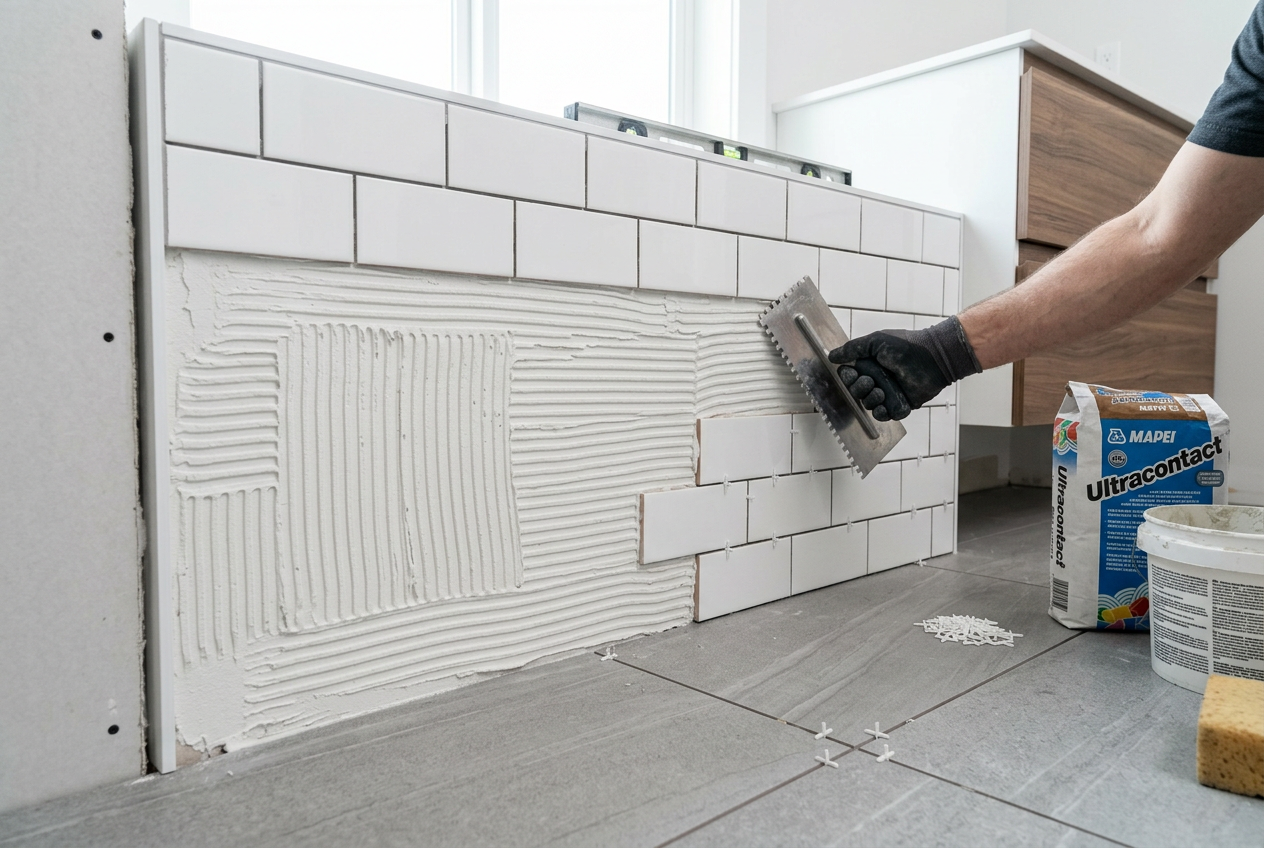
Choosing between natural stone and porcelain tiles is one of the most common decisions NZ homeowners face when renovating a bathroom, kitchen, or outdoor area. Both materials look stunning and can last decades — but they behave very differently under NZ conditions, and the wrong choice can cost you time, money, and headaches down the track. Here's an honest, practical breakdown to help you decide.
What Is Natural Stone?
Natural stone tiles include marble, travertine, slate, limestone, granite, and schist. Each piece is quarried and cut, meaning no two tiles are identical. That natural variation is a big part of the appeal — stone brings genuine character and a sense of luxury that's hard to replicate.
However, natural stone is a porous material. Most types absorb water, oils, and stains unless properly sealed. In NZ's coastal and high-humidity environments, this matters a lot. Stone also varies significantly in hardness: granite is extremely tough, while marble and limestone scratch and etch relatively easily.
For wet areas (bathrooms, showers), the NZ Building Code clause E3 requires surfaces to be impervious or sealed to prevent moisture ingress. Natural stone can meet this requirement — but only with the right sealer applied correctly and reapplied regularly.
What Is Porcelain?
Porcelain is a man-made ceramic tile fired at very high temperatures, producing an extremely dense, low-porosity tile. Modern porcelain can convincingly mimic marble, timber, concrete, and stone — often at a fraction of the cost of the real thing.
Porcelain's water absorption rate is typically less than 0.5%, making it inherently suited to wet areas and outdoor use without the need for sealing. It's also highly resistant to frost, UV fading, and heavy foot traffic, which makes it a practical choice for NZ's variable climate — from Northland humidity to Otago frosts.
BRANZ research consistently highlights moisture management as a critical factor in NZ building performance, and porcelain's low porosity gives it a natural advantage in this regard.
Head-to-Head Comparison
| Criteria | Natural Stone | Porcelain |
|---|---|---|
| Appearance | Unique, natural variation, premium look | Consistent; realistic stone/timber looks available |
| Durability | Varies by stone type; marble scratches easily, granite very hard | Extremely hard and scratch-resistant across the board |
| Water resistance | Porous — must be sealed; ongoing maintenance required | Near-impervious; ideal for wet areas and outdoors |
| Frost resistance | Varies; some stone (e.g. slate) handles frost poorly | Generally frost-resistant; check manufacturer rating |
| Maintenance | Regular sealing (annually or more); careful cleaning products | Very low; standard cleaning, no sealing needed |
| NZ climate suitability | Good with proper sealing; coastal areas need extra care | Excellent across most NZ climates |
| Slip resistance | Varies by finish; honed/wet stone can be slippery | Wide range of slip ratings; R-rated options for outdoors |
| Approximate cost (supply) | Higher — as a rough guide, mid to premium pricing | Wide range — budget to premium options available |
| DIY friendliness | Moderate to difficult; heavy, needs correct adhesive and sealer | Moderate; large-format tiles need experience to lay flat |
| Eco credentials | Natural material; no manufacturing emissions | Energy-intensive to produce; longer lifespan offsets this |
Cost Considerations
As a rough guide only, natural stone tiles generally sit at the higher end of the market — particularly marble and travertine imported from Europe or Asia. Locally sourced schist (popular in Central Otago) can be more affordable and adds a distinctly NZ character.
Porcelain spans a huge price range. Entry-level porcelain is among the most affordable tile options available, while large-format rectified porcelain (think 600×1200mm slabs) can rival the cost of natural stone. You'll find a broad selection at Bunnings, Mitre 10, and PlaceMakers, though specialist tile suppliers often carry better quality and a wider range.
Don't forget to factor in installation costs. Natural stone is heavier, often requires specific adhesives (such as those from Ardex or Mapei), and needs professional sealing. These extras can add meaningfully to the total project cost.
Wet Areas and NZ Building Code
If you're tiling a shower, bathroom floor, or laundry, NZ Building Code clauses E3 (Internal moisture) and G12 (Water supplies) apply. Grout joints and tile surfaces in wet areas must be waterproofed correctly. This typically means a membrane system beneath the tiles regardless of which tile type you choose.
For natural stone in showers, sealing alone is not sufficient — a proper waterproofing membrane is still required under the tiles. A licensed tiler will know this; a DIYer who skips it risks costly water damage and potential liability issues when selling the property. If you're unsure about compliance, check the guidance at MBIE Building Performance.
Slip Resistance — A Safety Note
Slip resistance is critical, especially for outdoor areas, pool surrounds, and bathrooms. In NZ, the relevant standard is AS/NZS 4586, which rates tiles from P1 (low slip resistance) to P5 (high). For outdoor and wet barefoot areas, aim for at least P3 or P4. Both stone and porcelain are available in appropriate slip ratings — always check the tile's rating before purchasing, and ask your tiler for advice. WorkSafe NZ has guidance on slip hazards in residential settings.
Our Recommendation
Choose natural stone if: You want a truly unique, premium aesthetic and are prepared to commit to ongoing maintenance. It suits feature walls, low-traffic areas, and homeowners who love the authentic look and feel of real stone. Locally quarried schist is a fantastic NZ choice for outdoor entertaining areas and feature walls.
Choose porcelain if: You want durability, low maintenance, and versatility across wet areas, high-traffic floors, and outdoor spaces. It's the practical workhorse of the tile world and suits most NZ homes and lifestyles. Modern large-format porcelain in marble or timber looks can deliver a premium result without the upkeep.
For most NZ homeowners, porcelain is the safer, lower-maintenance choice — particularly for bathrooms, kitchens, and outdoor areas. Natural stone is a rewarding option when chosen carefully and installed by an experienced tiler who understands its specific requirements.
Whichever you choose, professional installation makes a significant difference to the final result and longevity. Find a qualified local tiler on tradedirectory.co.nz to get the job done right.

 Site Safe
 SiteWise


 BCITO Qualified





