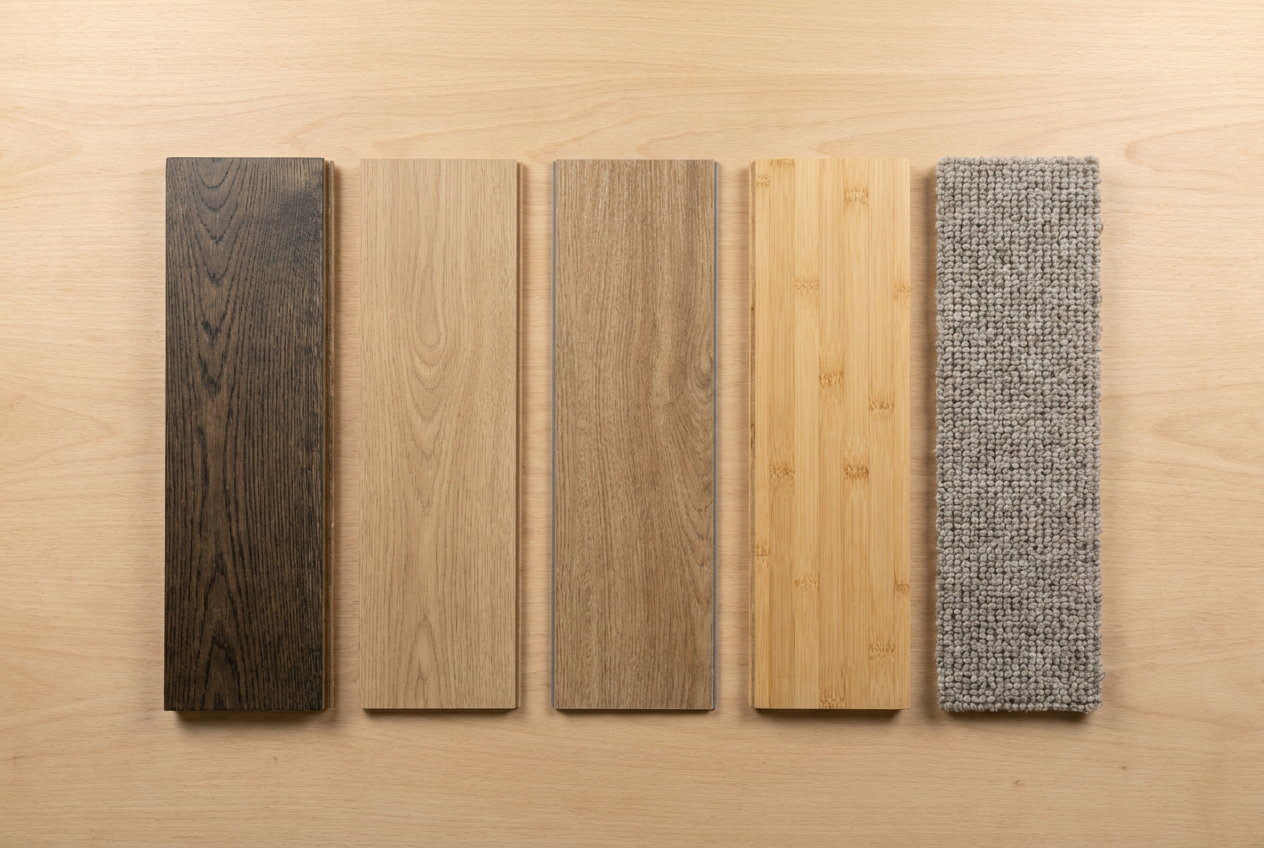
Floor sanding is not a formally licensed or restricted trade in New Zealand — there is no government-issued licence or registration required to offer floor sanding services commercially. However, that doesn't mean anyone with a hired drum sander and a free weekend is guaranteed a great result. Skill, experience, the right equipment, and a solid understanding of timber and finishing products all make a significant difference to the outcome.
No Licence Required — But Competence Still Counts
Unlike electrical work (regulated by the Electrical Workers Registration Board) or plumbing and gasfitting (regulated by the Plumbers, Gasfitters and Drainlayers Board), floor sanding sits outside the restricted trades framework. This means:
- Any person or business can legally offer floor sanding services in NZ.
- Homeowners can legally sand their own floors without any special permit or qualification.
- There is no mandatory registration body for floor sanders.
That said, professional floor sanders typically build their expertise through years of hands-on experience, sometimes supplemented by manufacturer training programmes or industry workshops. When hiring someone, it pays to ask about their experience, look at past work, and check reviews rather than relying on a licence number.
What Skills and Knowledge Do Professional Floor Sanders Need?
A competent floor sander needs to understand:
- Timber species — different NZ timbers (rimu, kauri, pine, oak) respond differently to sanding and finishing.
- Grit sequencing — starting too coarse or skipping grits leaves visible scratches.
- Machine control — drum sanders remove material fast; a moment's hesitation can gouge a floor permanently.
- Moisture content — timber must be at the right moisture level before finishing. BRANZ provides guidance on moisture and timber performance in NZ conditions.
- Finishing products — oils, polyurethanes, hardwax oils, and water-based finishes all have different application requirements. Brands like Resene, Dulux, and Wattyl offer floor finishing ranges with specific technical data sheets.
- Edge and detail work — getting into corners and along skirting boards without damage is a skill in itself.
Health and Safety Obligations
Even without a trade licence, floor sanding businesses and self-employed operators must comply with the Health and Safety at Work Act 2015. WorkSafe NZ sets out duties for anyone operating in a workplace, including:
- Dust management — fine timber dust is a respiratory hazard. Proper dust extraction equipment and P2-rated respirators are essential.
- Solvent safety — many floor finishes contain flammable solvents. Adequate ventilation and no ignition sources are critical.
- Noise — industrial sanders are loud; hearing protection is required for prolonged use.
- Slip hazards — freshly sanded floors are smooth and dusty; signage and barriers protect others on site.
If you are a homeowner doing your own floors, these safety rules still apply to protect yourself and your family.
Can Homeowners Sand Their Own Floors?
Yes — DIY floor sanding is legal and relatively common in NZ. Drum sanders and edge sanders can be hired from stores like Bunnings or Mitre 10. However, be realistic about the risks:
| Factor | DIY | Professional |
|---|---|---|
| Equipment quality | Hire-grade | Commercial-grade |
| Risk of gouging | Higher | Lower |
| Finish quality | Variable | Consistent |
| Time required | Longer | Faster |
| Cost | Lower upfront | Higher upfront |
For heritage or high-value timber floors — particularly older rimu or kauri — a professional is strongly recommended. Mistakes on these floors can be costly or irreversible.
Building Consent Considerations
Floor sanding itself does not require a building consent. It is maintenance work, not structural alteration. However, if your floor sanding project is part of a larger renovation — for example, replacing subfloor framing or installing new timber flooring over a structural substrate — some of that surrounding work may require consent. Always check with your local council if you are unsure. MBIE Building Performance has useful guidance on what work requires consent under Schedule 1 exemptions.
When to Call a Professional
Consider hiring a qualified, experienced floor sanding professional when:
- You have heritage timber (rimu, kauri, matai) that is irreplaceable.
- The floor has significant damage, cupping, or uneven boards that need assessment.
- You want a high-quality finish for a real estate sale or renovation.
- The area is large — sanding fatigue leads to mistakes.
- You are unsure about the finish type best suited to your lifestyle and floor species.
You can find experienced local floor sanding professionals on tradedirectory.co.nz. Always get at least two or three quotes, ask to see examples of previous work, and confirm what preparation and finishing coats are included.