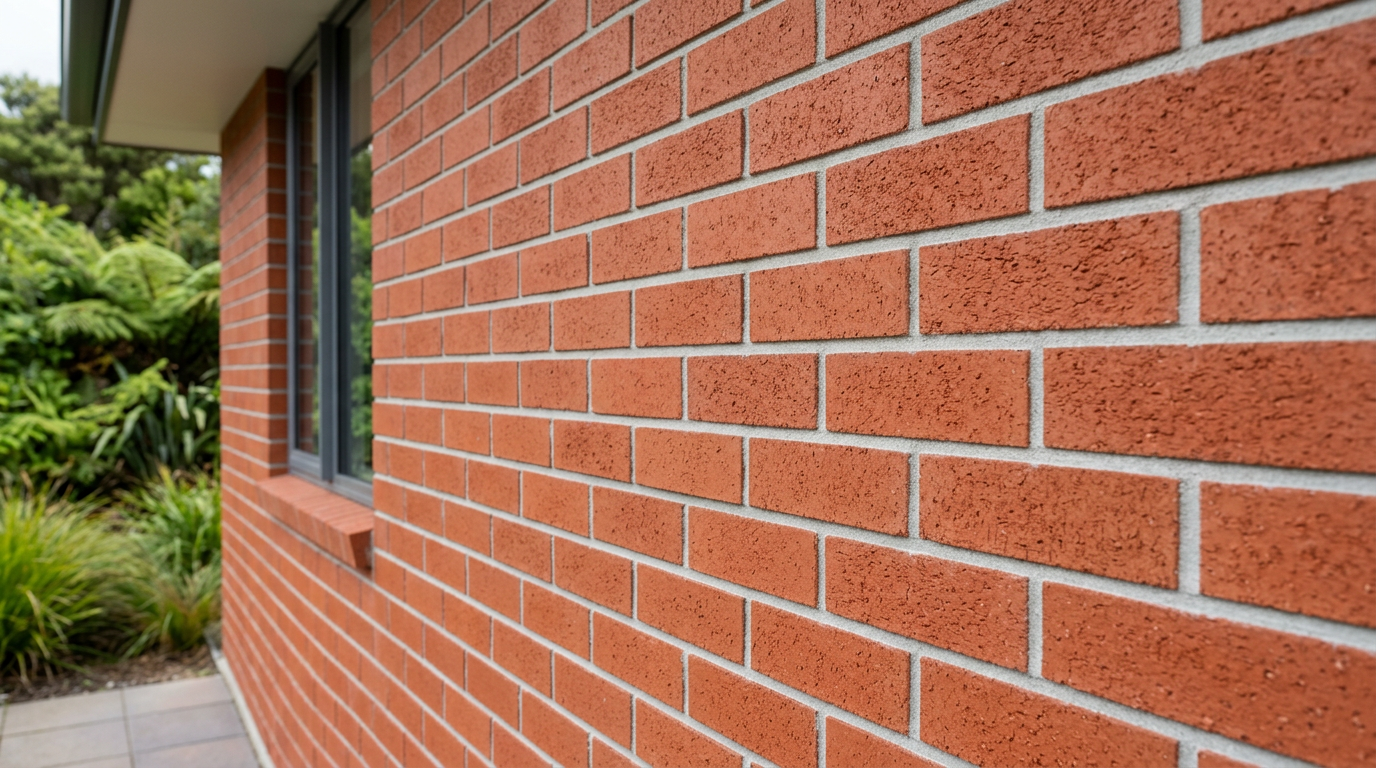
Yes — bricklaying is recognised as a Licensed Building Practitioner (LBP) trade in New Zealand. If you're planning a brick or block construction project, understanding how the LBP scheme applies can save you headaches down the track and help ensure your home is built to code.
What Is the LBP Scheme?
The Licensed Building Practitioners scheme is administered by the Ministry of Business, Innovation and Employment (MBIE) and exists to make sure that certain building work is carried out by competent, accountable tradespeople. You can learn more about the scheme and verify a practitioner's licence at Licensed Building Practitioners.
The scheme covers several licence classes, each tied to a specific trade or area of building work. Bricklaying and blocklaying fall under the Bricklaying and Blocklaying licence class.
What Does the Bricklaying LBP Licence Cover?
An LBP with a Bricklaying and Blocklaying licence is authorised to carry out and supervise restricted building work (RBW) that involves:
- Laying bricks, blocks, and masonry units in structural or weathertight applications
- Constructing brick veneer walls on residential buildings
- Building concrete block (also called concrete masonry unit or CMU) walls that form part of the building structure
- Retaining walls that require consent and fall within the masonry scope
- Fireplaces and chimneys constructed from masonry (subject to consent requirements)
The licence does not automatically cover other trades such as plastering, roofing, or carpentry — those have their own LBP classes.
What Is Restricted Building Work?
Restricted building work (RBW) is work that affects the structure or weathertightness of a home and must be carried out or supervised by a licensed person. Under the NZ Building Code, most brick veneer cladding and structural masonry on houses and small buildings falls into this category.
If your project requires a building consent, there's a good chance the bricklaying component will be RBW. Your local council can confirm this — always check with them before starting.
What About Schedule 1 Exemptions?
Some minor building work is exempt from requiring a building consent under Schedule 1 of the Building Act 2004. Small, low-risk masonry projects — like a garden wall under a certain height — may qualify. However, even exempt work must still comply with the NZ Building Code, and it's worth confirming with your council whether your specific project qualifies. Don't assume a project is exempt without checking.
Why Does the LBP Licence Matter to You as a Homeowner?
Hiring an LBP bricklayer matters for several important reasons:
- Legal compliance: RBW must be done by or under the supervision of an LBP. Using an unlicensed person for RBW can create legal and insurance complications.
- Record of Work: LBPs are required to provide a Record of Work on completion, which confirms the work was done to code. This document is valuable when you sell your home.
- Accountability: LBPs are subject to a disciplinary process if their work is substandard. This gives you recourse if something goes wrong.
- Insurance: Many home insurance policies and lenders expect consented work to be completed by licensed tradespeople.
You can search for and verify any bricklayer's LBP licence on the LBP website before engaging them.
NZ Building Code and Masonry Standards
Brick and block construction in New Zealand must comply with the NZ Building Code, particularly:
- B1 (Structure): Ensuring masonry walls can handle loads, including seismic loads — a critical consideration in earthquake-prone NZ.
- E2 (External Moisture): Brick veneer cladding must be detailed correctly to prevent water ingress.
- NZS 4210 — the New Zealand Standard for masonry construction — sets out the technical requirements for mortar mixes, joint widths, ties, and more.
Given New Zealand's seismic activity, structural masonry design often requires input from a structural engineer, especially for anything beyond standard residential brick veneer covered by NZS 3604. Your LBP bricklayer and council can advise whether engineering input is needed for your project.
For technical guidance on building performance, BRANZ is an excellent NZ-specific resource.
Can a Homeowner Do Their Own Bricklaying?
Homeowners can carry out some of their own building work, but not restricted building work unless they hold the relevant LBP licence themselves. For non-RBW projects — such as a small garden wall that doesn't require consent — a capable DIYer may be able to tackle the job, provided the work still meets the Building Code.
For anything structural, weathertight, or consent-required, you must engage a licensed bricklayer. Attempting RBW without a licence puts you at risk legally and could affect your ability to sell or insure your home.
When to Call a Professional
You should always engage a licensed bricklayer (LBP) for:
- Any brick or block work that requires a building consent
- Structural masonry walls, piers, or columns
- Brick veneer cladding on a house
- Chimneys and fireplaces
- Retaining walls over the height threshold requiring consent (check with your council)
- Any work in an earthquake-prone area where seismic detailing is critical
A qualified bricklayer will also be familiar with local council requirements and can help guide you through the consent process. You can find licensed bricklayers in your area right here on tradedirectory.co.nz.


 Licensed Building Practitioner (LBP)





