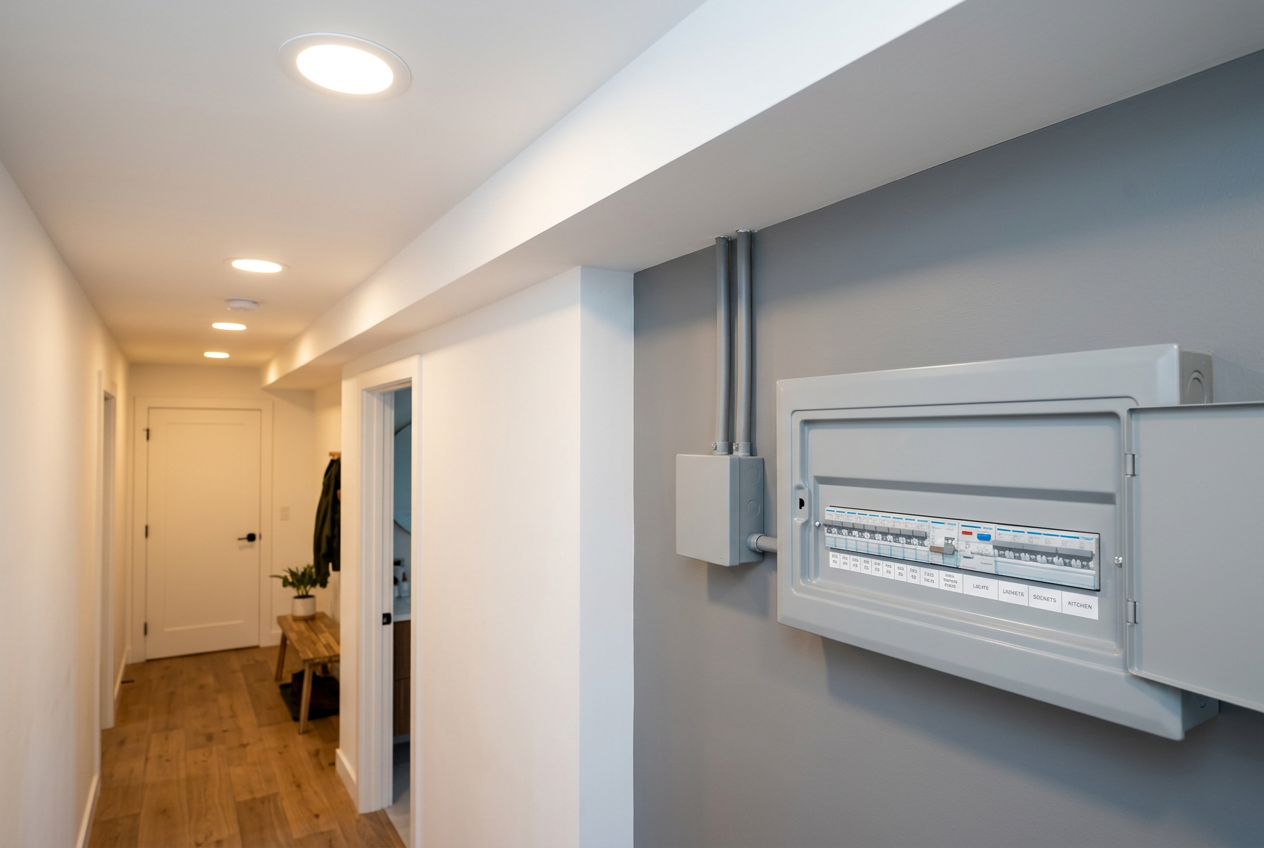
In New Zealand, a licensed electrician is legally required to issue a Certificate of Compliance (CoC) within 20 working days of completing electrical work. This isn't just good practice — it's a requirement under the Electricity Act 1992 and associated regulations. If you've had electrical work done and haven't received your certificate within that timeframe, you have every right to follow it up.
What Is a Certificate of Compliance?
A Certificate of Compliance is an official document confirming that the electrical work carried out meets the requirements of the New Zealand Electrical Code of Practice and relevant standards. It is issued by the licensed electrician (or electrical inspector) who completed or inspected the work. The certificate protects you as a homeowner by providing a legal record that the installation is safe and compliant.
Without a CoC, you may face difficulties when:
- Selling your home (buyers and conveyancers routinely ask for these)
- Making an insurance claim related to electrical faults
- Applying for a Code Compliance Certificate (CCC) from your council after a building consent
Who Can Issue a Certificate of Compliance?
Only a registered electrical inspector or a licensed electrical worker with the appropriate licence class can issue a CoC. In New Zealand, electrical workers are regulated by the Electrical Workers Registration Board (EWRB). You can search the EWRB register online to verify that your electrician holds a current licence.
It's worth noting that not all electrical work requires a CoC — very minor work such as replacing a light fitting may be exempt — but you should confirm with the EWRB or a licensed electrician what work is actually exempt in your situation — but any prescribed electrical work (new circuits, switchboard upgrades, wiring alterations, and similar) absolutely does.
The 20 Working Day Rule
Under the Electricity (Safety) Regulations 2010, the person who carries out prescribed electrical work must provide the certificate to the owner of the installation within 20 working days of completing the work. This is a firm legal deadline, not a guideline.
20 working days equates to roughly four calendar weeks, excluding weekends and public holidays. So if your electrician finishes on a Monday, they have until the end of the fourth working week to get that certificate to you.
What If You Don't Receive Your Certificate?
If the 20 working days have passed and you still haven't received your CoC, here's what to do:
- Contact your electrician directly — sometimes certificates are delayed due to admin backlogs. A polite reminder is often all it takes.
- Put your request in writing — email or text creates a record of your follow-up.
- Escalate to the EWRB — if your electrician refuses or continues to delay, you can make a complaint to the Electrical Workers Registration Board. Failing to issue a CoC is a disciplinary matter and can result in sanctions against the electrician's licence.
- Check with your council — if the work was done under a building consent, your local council's building department may also be able to assist, as the CoC forms part of the consent sign-off process. The MBIE Building Performance website has useful guidance on how building consents and electrical compliance interact.
Restricted Electrical Work — What Homeowners Can and Cannot Do
It's important to understand that most electrical work in New Zealand is restricted work that must only be carried out by a licensed electrical worker. This includes installing wiring, adding circuits, working on switchboards, and connecting fixed appliances.
As a homeowner, you are generally permitted to do very limited tasks — but the specific tasks allowed are defined in the regulations, and you should confirm with the EWRB exactly what is permitted before proceeding — but the rules are specific. When in doubt, always use a licensed professional. Unlicensed electrical work is not only illegal but can be extremely dangerous, potentially causing fires or electrocution.
Safety note: Never attempt electrical work beyond your legal entitlement. If you're unsure what's permitted, contact the EWRB or a qualified electrician before starting.
Keeping Your Certificate Safe
Once you receive your CoC, store it somewhere safe — ideally with your other property documents. If you ever lose it, you may be able to request a copy from the electrician who issued it, as they are also required to retain records. Some councils also hold copies where work was tied to a building consent.
When to Call a Professional
For any prescribed electrical work — including new power points, lighting circuits, switchboard work, heat pump wiring, EV charger installation, or any alteration to existing wiring — you must engage a licensed electrical worker. They are legally obligated to issue your CoC within 20 working days. You can find qualified, local electricians on tradedirectory.co.nz to ensure you're working with someone reputable and properly licensed.
Sources & Further Reading
- Electrical Workers Registration Board (EWRB) — licence verification and complaints
- MBIE Building Performance — building consents and compliance
- WorkSafe NZ — electrical safety guidance
- Consumer NZ — homeowner rights and tradespeople
- Standards NZ — NZ electrical standards

 Site Safe
 Licensed Electrical Inspector







