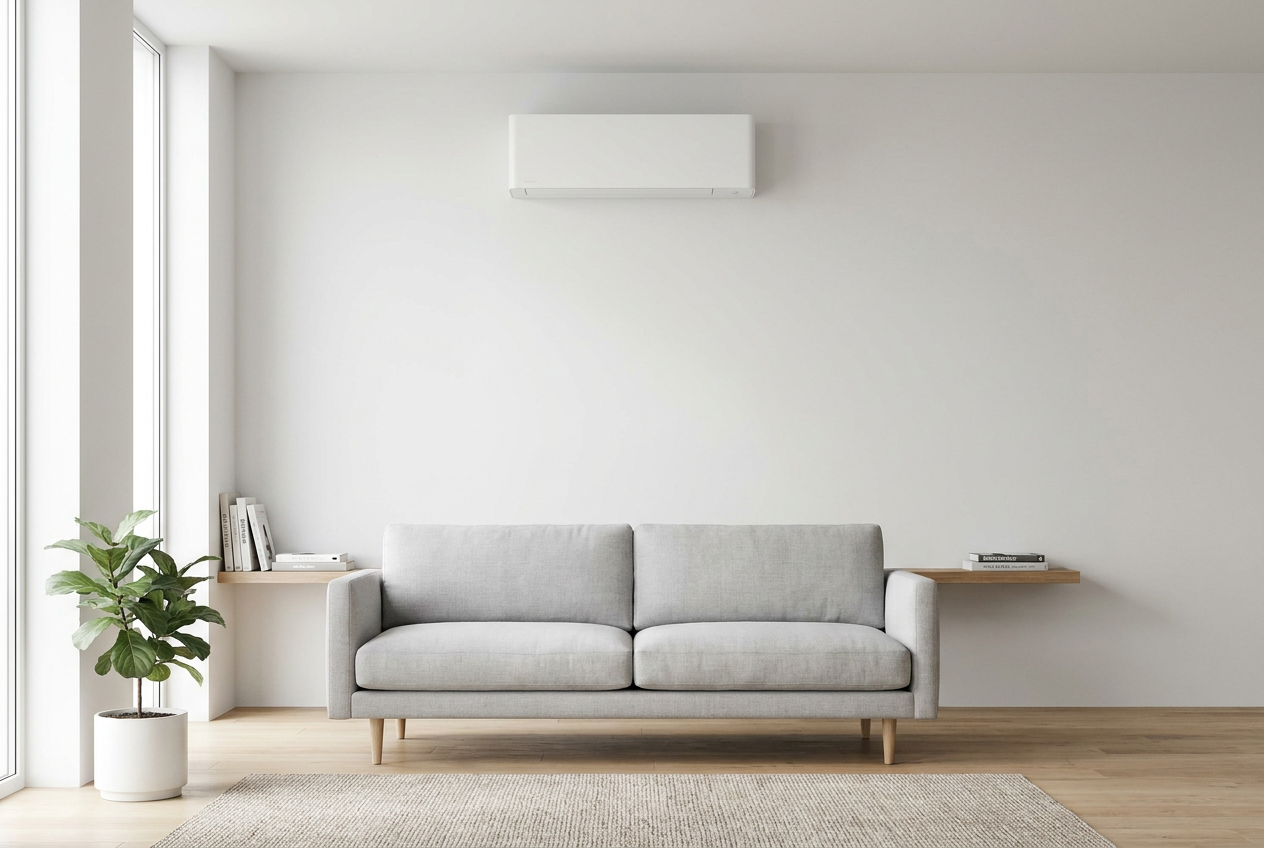
Most heat pump manufacturers and installers in New Zealand recommend a professional service every one to two years, depending on how heavily you use the unit and the environment it operates in. Staying on top of servicing keeps your heat pump running efficiently, extends its lifespan, and helps maintain healthy indoor air quality — which matters a lot under New Zealand's Healthy Homes standards for rental properties.
Why Regular Servicing Matters
A heat pump works hard year-round in the New Zealand climate — heating in winter, cooling in summer, and often dehumidifying in our damp coastal and high-rainfall regions. Over time, dust, mould spores, and allergens build up inside the unit. A neglected heat pump can:
- Lose efficiency, meaning higher power bills
- Circulate poor-quality air, aggravating allergies and respiratory conditions
- Develop refrigerant leaks that reduce heating and cooling capacity
- Fail prematurely, cutting short what should be a 10–15+ year lifespan
BRANZ research consistently highlights that well-maintained heating systems perform significantly better and contribute to healthier, warmer homes — a key goal of the NZ Building Code.
Recommended Servicing Frequency
| Usage & Environment | Recommended Professional Service Interval |
|---|---|
| Light use, clean urban environment | Every 2 years |
| Moderate use, average NZ home | Every 1–2 years |
| Heavy use, coastal or dusty environment | Every 12 months |
| Rental property (Healthy Homes compliance) | At least every 1–2 years (check with your installer) |
If you live near the coast, salt air can corrode the outdoor unit's fins and coils more quickly, so annual servicing is a smart investment. Similarly, homes with pets, smokers, or high foot traffic tend to clog filters faster.
What a Professional Service Includes
A qualified heat pump technician will typically:
- Deep-clean the indoor unit — filters, coil, fan blades, and drain tray
- Check and clear the condensate drain to prevent water damage
- Inspect the outdoor unit — clean the coil, check the fan motor, and clear debris
- Check refrigerant levels and inspect for leaks (handling refrigerant is restricted work — see below)
- Test electrical connections and controls
- Check the thermostat and remote operation
- Assess overall system performance and flag any early signs of wear
Always ask for a written service report so you have a record for warranty purposes and, if you're a landlord, for Healthy Homes compliance documentation.
What You Can Do Yourself Between Services
There are several simple maintenance tasks homeowners can safely carry out:
- Clean or rinse the indoor filter every 4–6 weeks (or more often in dusty or pet-heavy homes). Most filters simply slide out — check your owner's manual.
- Wipe down the indoor unit casing with a damp cloth.
- Keep the outdoor unit clear of leaves, grass clippings, and overgrown plants. Maintain at least 300 mm clearance around it.
- Check that the outdoor unit isn't iced up in winter — a brief defrost cycle is normal, but persistent icing warrants a call to a technician.
- Run the unit in 'fan only' mode occasionally to help dry out the indoor coil and reduce mould growth.
Regular DIY maintenance between professional services can meaningfully reduce your energy bills. Energywise has useful guidance on running heat pumps efficiently in NZ homes.
Refrigerant and Electrical Work — Restricted to Licensed Tradespeople
It's important to understand what you cannot do yourself. In New Zealand:
- Refrigerant handling (checking, topping up, or recovering refrigerant) is restricted work under the refrigerant handling licensing regime administered by the Environmental Protection Authority (EPA) — only a licensed technician may legally handle refrigerants. Only a licensed technician may legally handle refrigerants.
- Electrical work on the heat pump's wiring and connections is restricted work under the Electricity (Safety) Regulations — only a registered electrician or authorised person may carry this out. Only a registered electrician or authorised person may carry this out. Check the Electrical Workers Registration Board (EWRB) if you need to verify a tradesperson's licence.
Attempting restricted work yourself is illegal, potentially dangerous, and can void your warranty.
Safety note: Never attempt to open the outdoor unit's refrigerant circuit or tamper with electrical wiring. If you smell burning, notice unusual noises, or see refrigerant oil staining around the outdoor unit, turn the system off and call a professional immediately.
Does Servicing Affect My Warranty?
Many heat pump manufacturers — including major brands sold through NZ suppliers — require evidence of regular professional servicing to honour warranty claims. Keep all service records and receipts. If you're unsure of your warranty conditions, check with your installer or the manufacturer's NZ distributor.
When to Call a Professional
Book a professional service if you notice any of the following:
- The unit is blowing warm air in cooling mode or cool air in heating mode
- Unusual noises (rattling, grinding, or squealing)
- Water dripping from the indoor unit
- A musty or burning smell when the unit runs
- A significant increase in power bills without a change in usage
- The unit is not reaching the set temperature
- It has been more than two years since the last service
A qualified heat pump installer or HVAC technician can diagnose and fix most issues quickly. You can find experienced local heat pump professionals on tradedirectory.co.nz.



 ISO 9001






