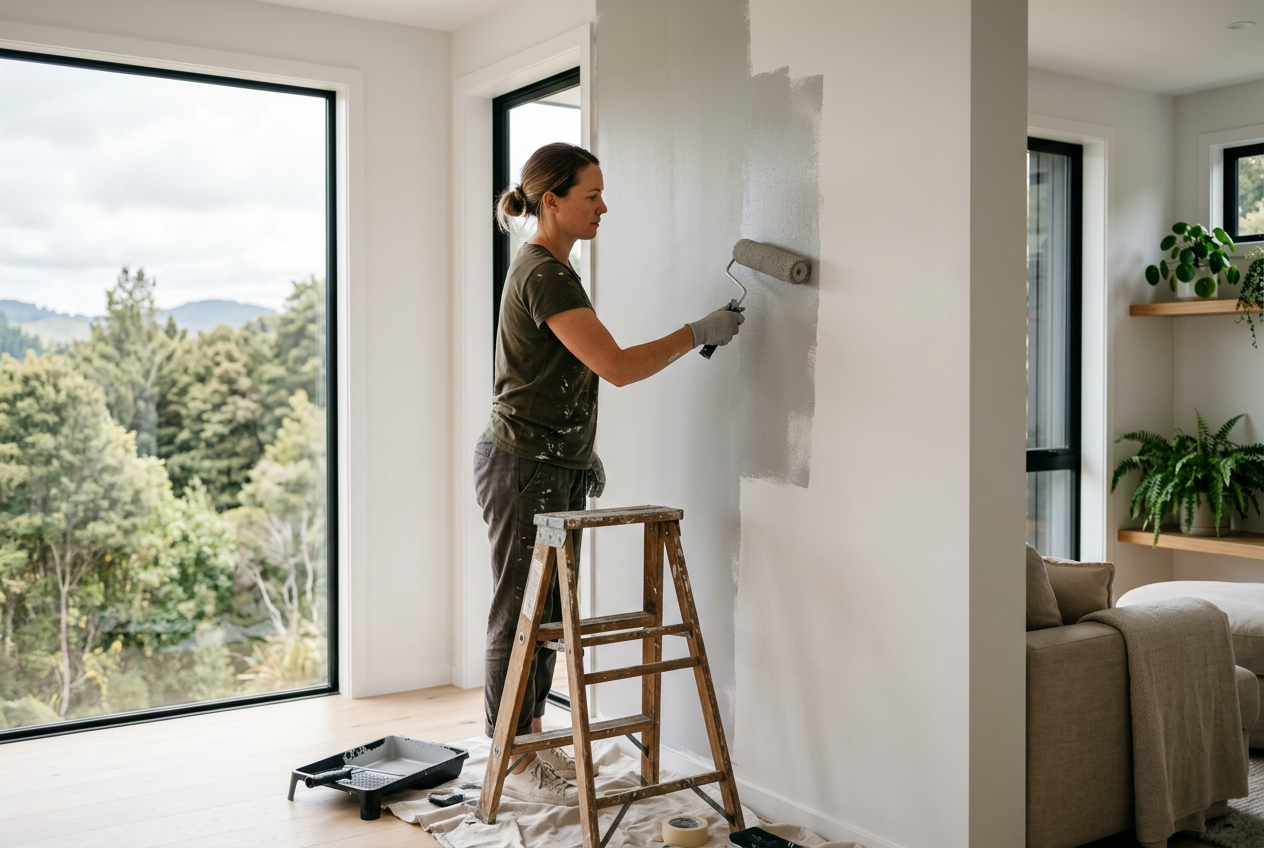
Most trade professionals and consumer advocates recommend getting at least three quotes before hiring a painter in New Zealand. Three quotes gives you a realistic sense of the market rate for your job, helps you spot any outliers (suspiciously cheap or expensive), and gives you a chance to assess each painter's communication and professionalism before any work begins.
Why Three Quotes Is the Magic Number
One quote gives you no comparison. Two quotes can leave you stuck if they're far apart. Three quotes tends to reveal a reasonable middle ground and shows you the range of approaches different painters might take. For larger or more complex jobs — full exterior repaints, multi-storey homes, or heritage properties — getting four or five quotes is well worth the extra time.
Consumer NZ consistently recommends comparing multiple quotes for any significant home improvement work, and painting is no exception.
What a Good Painting Quote Should Include
A professional painter's quote should be detailed and in writing. Watch out for vague, verbal-only estimates. A solid quote should cover:
- Scope of work — exactly what surfaces are being painted (walls, ceilings, trims, exterior cladding, etc.)
- Surface preparation — sanding, filling, washing, priming. This is where quality is won or lost.
- Number of coats — typically two finish coats over a primer, but this varies by job
- Paint brand and product — reputable NZ brands like Resene, Dulux, or Wattyl are a good sign
- Labour and materials broken out (or at least a clear total)
- Estimated timeframe and start date
- Payment terms — avoid paying 100% upfront
- Warranty or guarantee on workmanship
If a quote is missing several of these, ask for clarification before proceeding.
How to Compare Quotes Fairly
Price alone is a poor guide. A cheap quote that skips proper prep or uses budget paint will cost you more in the long run. Use this simple comparison approach:
| Factor | What to look for |
|---|---|
| Preparation detail | More detail = more professionalism |
| Paint specified | Named brand and sheen level |
| Number of coats | At least 2 finish coats is standard |
| Timeframe | Realistic, not rushed |
| Communication | Prompt, clear, respectful |
| References | Willing to provide past client contacts |
| Insurance | Public liability cover in place |
As a broad guide only, interior painting for an average NZ home room might range from a few hundred to over a thousand dollars depending on size, condition, and finish. Full exterior repaints vary widely based on home size, cladding type, and access requirements. Always treat any price range you read online as a starting point — your actual quotes will reflect your specific property.
Red Flags to Watch For
- A quote that is dramatically lower than all others (often means corners will be cut)
- No mention of surface preparation
- Pressure to pay a large deposit before work starts
- No written quote provided
- Reluctance to provide references or proof of insurance
- No clear start date or timeline
Checking Painter Credentials in NZ
Painting is not a licensed restricted trade in New Zealand in the same way that electrical or plumbing work is — there is no mandatory registration body for painters. However, this makes due diligence even more important. Look for painters who:
- Are members of the Master Painters New Zealand association (membership indicates commitment to standards)
- Carry public liability insurance (ask for a certificate)
- Have verifiable references or online reviews
- Can demonstrate experience with your specific job type (e.g. weatherboard exteriors, new plaster, heritage homes)
For any painting work that involves lead paint (common in homes built before the 1980s), the painter should follow safe work practices in line with WorkSafe NZ guidelines. Always disclose the age of your home when getting quotes.
If your painting project is part of a larger renovation that requires a building consent, check with your local council. Some exterior work on certain cladding systems may intersect with weathertightness requirements under the NZ Building Code (particularly Clause E2 — External Moisture). MBIE Building Performance is the best starting point for consent questions.
When to Call a Professional
While homeowners can legally paint their own homes, there are situations where hiring a qualified painter is strongly advisable:
- Exterior repaints on two-storey or higher homes (working at height carries serious fall risks)
- Homes with suspected lead paint (pre-1980s)
- New plaster or GIB board surfaces requiring specific primer systems — see GIB for recommended finishing systems
- Specialty coatings such as fire-retardant or waterproofing membranes
- Any surface where the wrong product could void a manufacturer's warranty
You can find qualified, reviewed local painters on tradedirectory.co.nz — a great place to start your search and request quotes.

 BCITO Qualified

 Master Painters NZ
 Site Safe