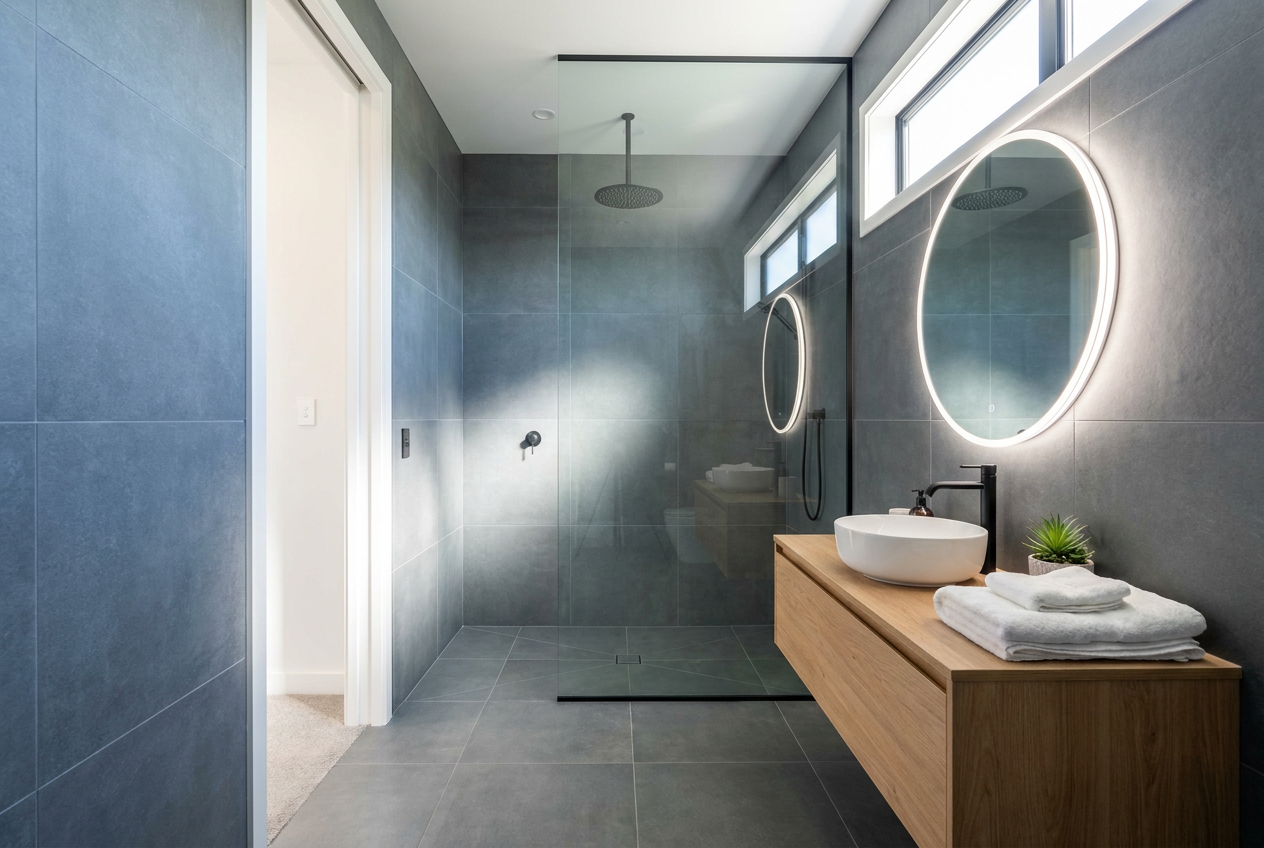
After waterproofing a shower, you should generally wait a minimum of 24 to 48 hours before applying tiles, and the shower must not be used until the entire system — membrane, tiles, adhesive, and grout — is fully cured. Rushing this process is one of the most common causes of shower leaks in New Zealand homes, so patience really does pay off.
Why Curing Time Matters
Waterproofing membranes work by forming a continuous, flexible barrier over the substrate. If you tile too early, the membrane may still be soft or tacky, which can compromise adhesion and cause the membrane to move or crack. Water getting behind tiles before the membrane has fully cured can lead to mould, structural damage, and costly repairs — sometimes requiring a full strip-out and redo.
Under the NZ Building Code clause E3 (Internal Moisture), wet areas like showers must be waterproofed to prevent moisture damage to the building structure. Getting the curing process right is essential to meeting this requirement.
Typical Curing Times for Common NZ Membrane Products
Curing times vary depending on the product type, the number of coats applied, temperature, humidity, and ventilation. Always follow the manufacturer's datasheet — the times below are general guides only.
| Membrane Type | Typical Cure Before Tiling | Full Cure (Water Exposure) |
|---|---|---|
| Liquid-applied acrylic (e.g. Ardex, Mapei) | 24–48 hours | 7 days |
| Polyurethane membrane | 24–72 hours | 7–14 days |
| Sheet membrane (e.g. Schluter Kerdi) | Immediate after install | After grout cures (24–72 hrs) |
| Cementitious membrane | 24 hours per coat | 7 days |
Products from Ardex and Mapei are widely used by NZ waterproofing professionals and both provide detailed technical datasheets specifying cure times for their specific products. Sika also offers a range of waterproofing solutions with their own cure requirements.
Factors That Affect How Quickly a Membrane Cures
NZ's climate varies significantly from Northland to Southland, and this directly affects drying times:
- Temperature: Most membranes cure best between 10°C and 35°C. Cold conditions (common in southern NZ winters) can significantly slow curing — sometimes doubling the stated time.
- Humidity: High humidity slows evaporation-based curing. Ensure the bathroom is well ventilated.
- Ventilation: Open windows or use a fan to promote airflow, but avoid directing heat guns or heaters directly at the membrane.
- Number of coats: Most liquid membranes require two or three coats, with each coat needing to dry before the next is applied (typically 2–4 hours between coats).
- Substrate moisture: Applying membrane over a damp or green concrete substrate can prevent proper adhesion and curing.
The Full Timeline Before Using Your Shower
Waiting for the membrane alone isn't enough. Here's the full sequence you need to follow:
- Surface preparation — substrate must be clean, dry, and primed if required.
- Apply membrane — typically two to three coats, allowing drying time between each.
- Membrane cure — wait the full manufacturer-specified time before tiling (minimum 24 hours, often 48).
- Tile adhesive cure — most tile adhesives need 24 hours before grouting.
- Grout cure — standard cement grout needs at least 24–72 hours before water exposure; epoxy grout may differ.
- Silicone sealant cure — silicone at junctions (floor/wall, wall/wall) typically needs 24 hours minimum.
- First water use — only after all of the above are complete. For full water resistance, many manufacturers recommend waiting 7 days before heavy or prolonged water exposure.
As a rough guide, from the start of waterproofing to first shower use, allow at least 5–7 days for a typical liquid membrane system.
Common Mistakes to Avoid
- Tiling the same day as the final membrane coat — even if it feels dry to touch, it may not be cured through.
- Skipping the flood test — a reputable waterproofer will plug the drain and fill the shower base with water for 24 hours to check for leaks before tiling.
- Using the shower before grout and silicone are cured — water will penetrate through uncured joints.
- Ignoring cold weather — if your bathroom is unheated in winter, add extra curing time.
When to Call a Professional
While homeowners can do some preparation work, waterproofing in wet areas is considered restricted building work in many situations under the NZ Building Code, particularly in new builds or significant alterations. Work that affects the weathertightness or waterproofing of a building may require a Licensed Building Practitioner (LBP) to carry out or supervise the work.
If your shower is being retiled as part of a renovation, check with your local council whether a building consent is required. Some like-for-like replacements may be exempt under Schedule 1 of the Building Act, but always confirm this with your council before starting.
A qualified waterproofer will know the right products for your specific substrate, apply them correctly, and carry out a flood test before tiling. You can find experienced local waterproofing professionals on tradedirectory.co.nz.
For guidance on healthy, moisture-free homes, BRANZ and MBIE Building Performance are excellent NZ-specific resources.

 Site Safe


 SiteWise


 Licensed Building Practitioner (LBP)




