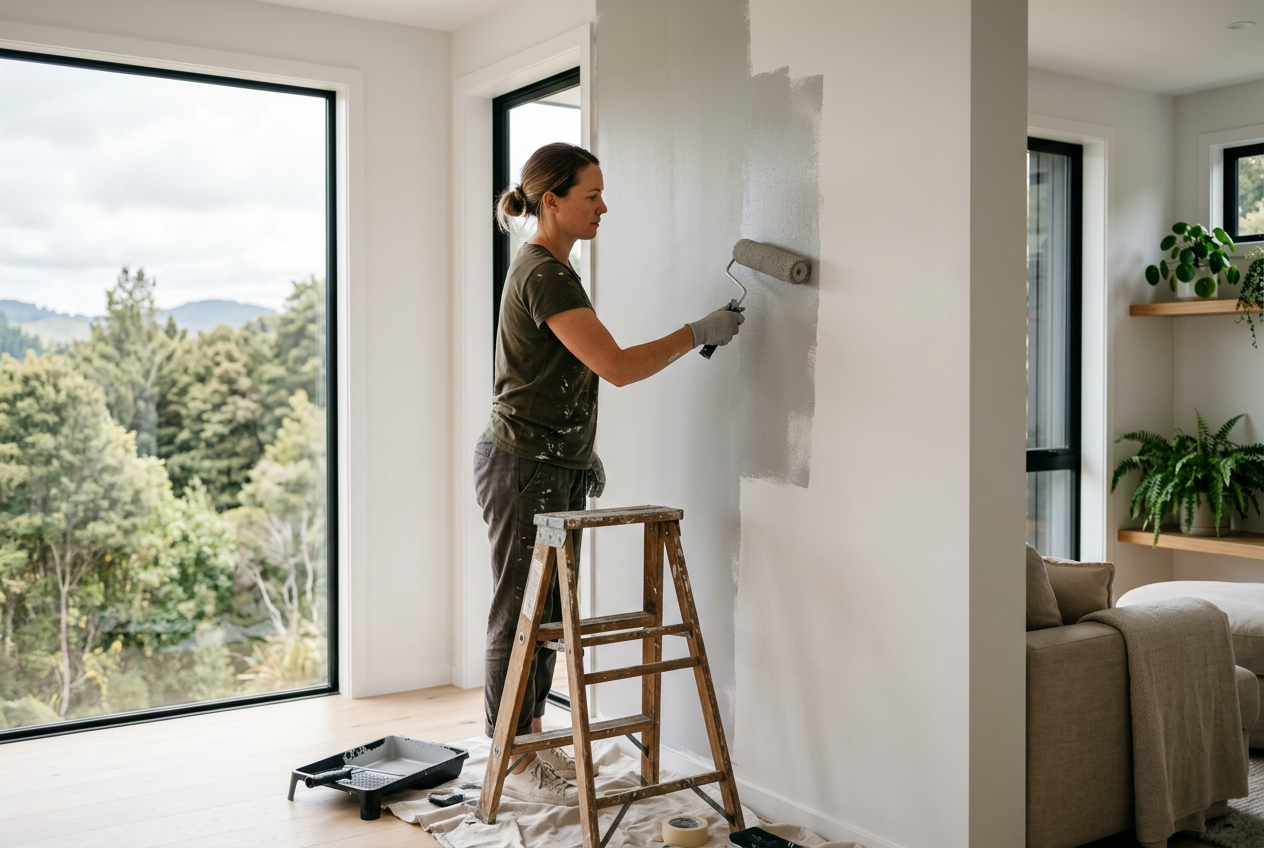
Exterior painting is one of the most impactful home improvement projects you can undertake — it protects your home from New Zealand's demanding climate and lifts street appeal considerably. But one of the most common questions homeowners ask is simply: how long will it take? The honest answer depends on a range of factors, from the size and condition of your home to the weather on the day. This guide walks you through everything you need to know to plan your project realistically.
What Affects How Long Exterior Painting Takes?
No two painting jobs are identical. The timeline for your exterior repaint will be shaped by several key variables:
- Size of the home — A small two-bedroom weatherboard cottage will take far less time than a large two-storey brick or plaster home. Painters typically measure by square metres of paintable surface, not floor area.
- Condition of existing surfaces — Homes with peeling, flaking, or chalky paint require significantly more preparation. Prep work — scraping, sanding, filling, and priming — often takes as long as the painting itself, sometimes longer.
- Cladding type — Rough or textured surfaces (such as roughcast or textured plaster) absorb more paint and take longer to coat than smooth weatherboards or fibre cement like James Hardie products.
- Number of coats — Quality exterior jobs typically require a primer coat plus two topcoats. Skipping coats to save time is a false economy.
- Weather — This is the big wildcard in New Zealand. Paint needs dry conditions and temperatures generally between 10°C and 35°C to cure properly. Rain, high humidity, or strong coastal winds can halt work entirely. In Auckland and the north, summer humidity can slow drying times; in Canterbury or Otago, cold snaps can arrive unexpectedly even in spring.
- Access and scaffolding — Multi-storey homes or those on steep sections require scaffolding, which adds setup and pack-down time to the overall schedule.
- Number of painters on the crew — A sole operator will take longer than a two- or three-person team.
Typical Timeframes: A General Guide
While every job is different, the following gives a rough sense of what to expect. Always confirm the expected timeline with your painter before work begins and get it in writing.
| Home Type | Approximate Duration |
|---|---|
| Small single-storey (up to 100 m²) | 2–4 days |
| Medium single-storey (100–180 m²) | 4–7 days |
| Large single-storey or small two-storey | 7–10 days |
| Large two-storey or complex home | 10–15+ days |
These estimates assume reasonable surface condition and settled weather. Add extra days for significant prep work, intricate trim details, or if the home hasn't been painted in many years.
The Step-by-Step Painting Process
Understanding the process helps you plan realistically and know what your painter should be doing at each stage.
1. Surface Preparation
This is the most critical phase. It includes washing down the exterior (often with a water blaster), scraping loose paint, sanding rough edges, filling cracks and holes, and spot-priming bare timber or substrate. On older homes, this can take one to three days on its own.
2. Masking and Protection
Windows, doors, driveways, and garden beds need to be masked or covered. A professional crew will do this carefully to ensure clean lines and protect your property.
3. Priming
Any bare or repaired areas — and sometimes the entire surface — will need a primer coat. Products from Resene and Dulux both offer exterior primers suited to NZ conditions, including options for high-UV and coastal environments. Allow adequate drying time before topcoats are applied.
4. Topcoats
Two topcoats are standard for a quality, durable finish. Each coat must be fully dry before the next is applied — this is where weather plays a major role. Rushing this stage leads to poor adhesion and early failure.
5. Clean-up and Inspection
A professional painter will remove masking, clean up the site, and walk through the finished job with you. This is your opportunity to raise any concerns before they leave.
NZ Climate Considerations
New Zealand's climate varies enormously from Northland to Southland, and this directly affects painting timelines and paint selection. Coastal homes face salt spray and high UV, requiring paints with strong UV resistance and anti-fungal properties. High-rainfall regions like the West Coast or Fiordland demand products with excellent moisture resistance. Always use paints rated for NZ exterior conditions — consult BRANZ guidance or your paint supplier for recommendations suited to your region.
The NZ Building Code's E2 (External Moisture) clause is relevant here — your cladding and paint system together form part of your home's weathertightness. Using the right paint system isn't just about aesthetics; it's about protecting your home's structure.
Choosing and Vetting the Right Painter
Always get multiple quotes from qualified tradespeople and check qualifications and references before hiring. When comparing quotes, look beyond the price:
- Ask what preparation work is included — this is where corners are often cut.
- Confirm the paint brand and product being used, and check it's suited to NZ conditions.
- Ask how many coats are included.
- Get a realistic timeline in writing, including what happens if weather causes delays.
- Check whether they carry public liability insurance.
You can find qualified local painters on tradedirectory.co.nz. Look for those with relevant trade qualifications or professional memberships.
DIY vs Professional: What to Consider
Painting your own home exterior is legal and some confident DIYers do tackle it successfully. However, consider:
- Safety — Working at height on ladders or scaffolding carries real risk. WorkSafe NZ has clear guidance on working safely at height. For anything above a single storey, professional scaffolding is strongly recommended.
- Quality and durability — A professional painter with the right tools and experience will typically achieve a better, longer-lasting finish.
- Time — What takes a professional crew four days may take a solo DIYer two to three weekends, with more weather exposure risk between coats.
- Materials — Use quality materials suited to NZ conditions. Plan your project budget carefully, including a contingency for unexpected prep work.
Building Consent Requirements
In most cases, repainting an existing exterior does not require a building consent — it is generally considered maintenance. However, if you are changing cladding, repairing significant areas of weatherboard, or making structural changes, consent may be required. Always confirm with your local council, as requirements vary. The MBIE Building Performance website is a good starting point for understanding Schedule 1 exemptions.
When to Call a Professional
Call a professional painter when:
- Your home is two or more storeys, or has difficult access.
- There is significant surface damage, rot, or moisture issues that need assessment.
- You want a durable, warranty-backed finish.
- You are preparing a home for sale and presentation matters.
- You are unsure about the condition of existing paint (older homes may have lead-based paint, which requires careful handling — consult a professional).
New Zealand's climate varies significantly from north to south, affecting material choices and maintenance requirements. A local professional will understand these conditions and recommend the right products and approach for your specific situation.

 BCITO Qualified

 Master Painters NZ
 Site Safe