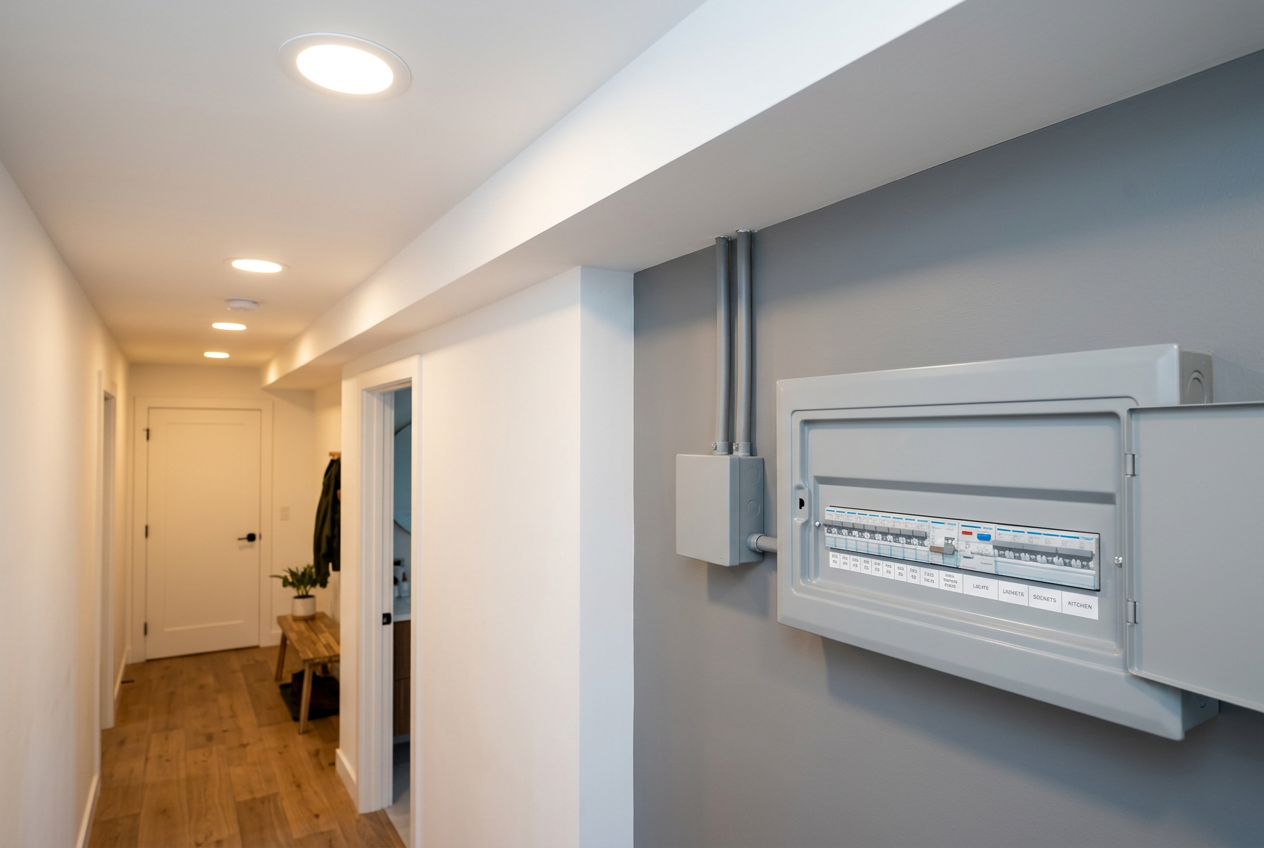
Most standard residential electrical jobs in New Zealand can take anywhere from one hour for a simple repair to several days for a full house rewire. The timeframe depends on the type of work, the age and condition of your home, and whether any building consent is required. Understanding what's involved helps you plan ahead and set realistic expectations when booking a licensed electrician.
Typical Timeframes for Common Electrical Jobs
Here's a general guide to how long common residential electrical jobs take. Keep in mind these are approximate — every home is different, and your electrician will give you a more accurate estimate once they've assessed the job.
| Job Type | Approximate Time |
|---|---|
| Replacing a power point or light switch | 30 min – 1 hour |
| Installing a new light fitting | 1 – 2 hours |
| Adding a new circuit (e.g. for a heat pump) | 2 – 4 hours |
| Installing a switchboard upgrade | Half day – full day |
| Wiring a new bathroom or kitchen | 1 – 2 days |
| Full house rewire | 3 – 5 days (or more) |
| Installing EV charger | 2 – 4 hours |
| Solar panel electrical connection | Half day – full day |
These ranges are a guide only. Older homes — particularly those built before the 1980s with older wiring systems — often take longer due to the need to work around existing infrastructure or bring things up to current standards.
What Affects How Long a Job Takes?
Several factors can extend or shorten the time your electrician spends on site:
- Age of the home: Older wiring (such as aluminium wiring or older insulation types) can complicate the job and may need to be replaced or worked around carefully.
- Access: Running cables through walls, ceilings, or under floors takes time, especially in two-storey homes or those with limited roof space.
- Scope creep: Sometimes an electrician opens up a wall and finds additional issues — like damaged wiring or non-compliant work — that need to be addressed before the original job can be completed.
- Building consent: Some electrical work requires a building consent from your local council before work begins. This can add days or weeks to the overall project timeline, even if the physical work itself is quick. Always check with your council whether consent is needed.
- Inspection and certification: All electrical work in NZ must be inspected and a Certificate of Compliance (CoC) issued. Scheduling this inspection can sometimes add time to the overall process.
- Materials and parts: If specific components need to be ordered in, this can delay the job. Your electrician will usually advise you upfront if this is likely.
What Is Restricted Electrical Work in NZ?
It's important to understand that most electrical work in New Zealand is restricted work — meaning it must be carried out by a registered electrician. This is governed by the Electricity Act 1992 and overseen by the Electrical Workers Registration Board (EWRB).
As a homeowner, you are legally allowed to do some basic electrical work on your own home (not a rental), such as changing a fuse. However, any work involving wiring, switchboards, new circuits, or connections to the mains must be done by a licensed professional. Attempting restricted work yourself is illegal and can void your home insurance.
Safety note: Faulty electrical work is a leading cause of house fires in New Zealand. Never attempt work beyond your legal entitlement, and always ensure your electrician issues a Certificate of Compliance on completion.
Does the Job Need a Building Consent?
Not all electrical work requires a building consent, but some does — particularly work that involves significant alterations to your home's structure or systems. Schedule 1 of the Building Act lists exemptions, but these can be complex to interpret. Always confirm with your local council whether your specific job needs consent before work starts. You can find guidance at MBIE Building Performance.
Tips to Keep Your Job on Schedule
- Book early: Good electricians are often booked out weeks in advance, especially during busy periods like summer.
- Clear access: Make sure the electrician can easily access the switchboard, roof space, and any areas where work is planned.
- Ask for a written quote: This should outline the scope of work, estimated timeframes, and what's included.
- Ask about the CoC: Confirm upfront that your electrician will issue a Certificate of Compliance on completion — this is a legal requirement and important for insurance and future property sales.
- Check their registration: You can verify a tradesperson's registration on the EWRB website before they start work.
When to Call a Professional
You should always call a licensed electrician if you notice flickering lights, tripping breakers, burning smells, or discoloured power points — these can be signs of a serious fault. For any new installation, upgrade, or repair beyond the most basic tasks, engaging a qualified professional is both a legal requirement and the safest choice.
You can find trusted, local licensed electricians in your area through tradedirectory.co.nz.

 Site Safe
 Licensed Electrical Inspector







