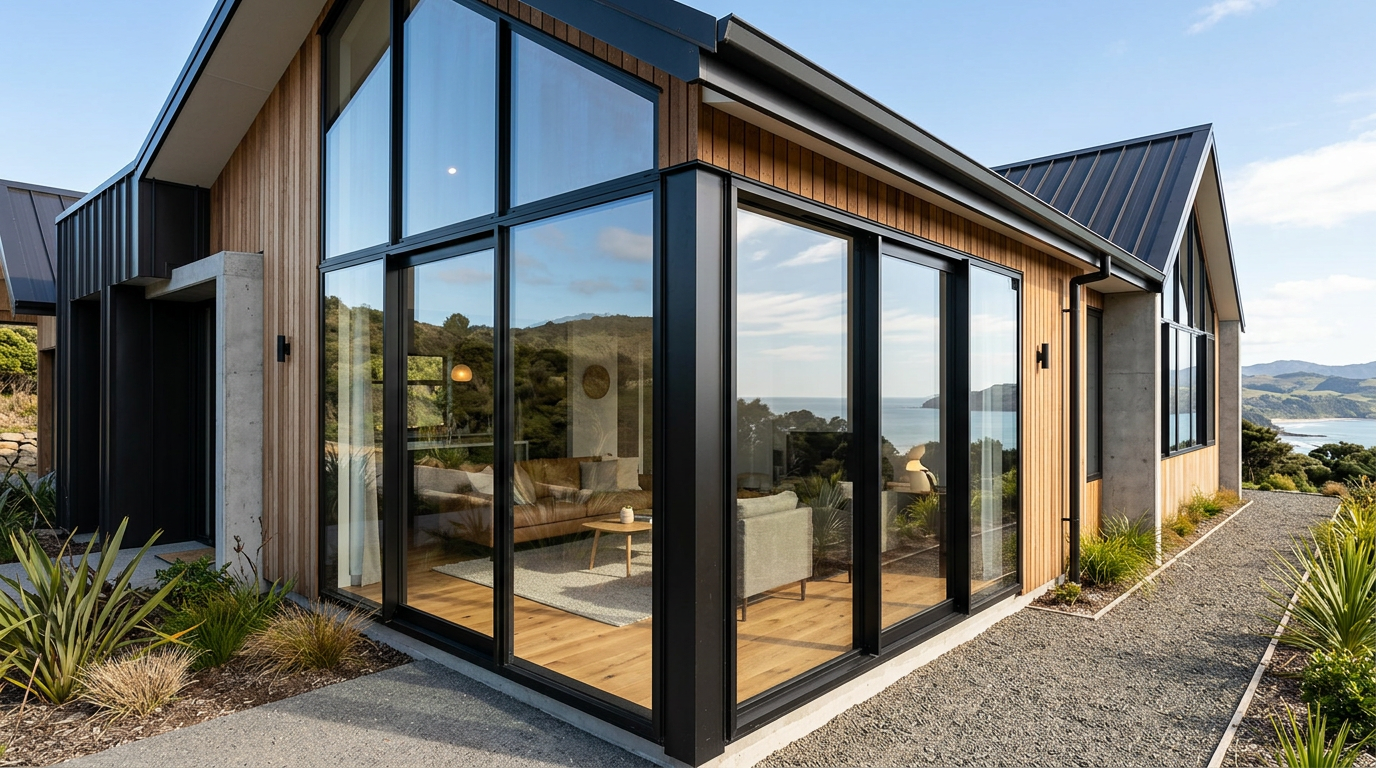
For most NZ homes, a full double-glazing retrofit takes anywhere from one to five days on site, though the total project timeline — including quotes, manufacturing, and installation — is often four to twelve weeks from start to finish. The exact duration depends on the number of windows, the retrofit method chosen, and whether any joinery repairs or building consent work is required.
What Affects the Timeline?
Several factors influence how long your retrofit will take:
- Number of windows and doors – A small two-bedroom home with six to eight windows will take far less time than a large four-bedroom home with fifteen or more openings.
- Retrofit method – There are two main approaches used in NZ: secondary glazing (a second pane fitted inside the existing frame) and full frame replacement. Secondary glazing is generally faster; full frame replacement takes longer but delivers better thermal and acoustic performance.
- Existing joinery condition – Older aluminium or timber frames may need repairs, repainting, or replacement before new glazing can be fitted, adding time to the job.
- Custom sizing – Most double-glazed units are made to measure. Lead times from the glass manufacturer typically run two to six weeks, and this waiting period is usually the longest part of the whole project.
- Access and site conditions – High windows, multi-storey homes, or tight access can slow installation.
- Building consent – In some cases, particularly where structural changes are involved, a building consent may be required. Always check with your local council before work begins. Many straightforward glazing retrofits fall under Schedule 1 exemptions, but your glazier and council can confirm this. See MBIE Building Performance for guidance on when consent is needed.
Typical Project Stages and Timeframes
| Stage | Typical Duration |
|---|---|
| Initial quote and assessment | 1–3 days |
| Measure-up (if proceeding) | Same day or within a week |
| Manufacturing / lead time | 2–6 weeks |
| On-site installation | 1–5 days |
| Finishing and clean-up | Included or 1 extra day |
Keep in mind these are general guides. Busy periods — particularly spring and summer when demand peaks — can stretch lead times further.
Secondary Glazing vs Full Frame Replacement
Secondary glazing involves fitting an additional pane or panel inside your existing window frame. It is quicker to install (often a day or two for a whole house), less disruptive, and usually lower in cost. However, it may not deliver the same level of thermal performance as a full replacement.
Full frame replacement removes the existing joinery entirely and installs new double-glazed units. This takes longer — typically two to five days on site for a full home — but gives you the best thermal and acoustic outcome. It also allows you to upgrade to Low-E glass or argon-filled units, which are increasingly popular in NZ's variable climate.
For guidance on energy-efficient glazing options and their benefits for NZ homes, Energywise is a useful starting point.
What Happens During Installation?
On the day(s) of installation, your glazier will:
- Remove existing single-glazed panes or full frames (depending on the method)
- Prepare the opening and check for any moisture damage or rot
- Fit and seal the new double-glazed units
- Apply flashings, trims, and sealants to weatherproof the installation
- Clean up and check all windows open, close, and lock correctly
Proper sealing is critical in NZ's wet climate. Poor installation can lead to moisture ingress and damage — a key concern addressed under NZ Building Code clause E2 (External Moisture). A reputable glazier will follow best-practice installation methods aligned with BRANZ guidelines.
Healthy Homes and Double Glazing
If you are a landlord, it is worth knowing that double glazing can contribute to meeting Healthy Homes Standards around heating and insulation. While glazing is not directly mandated under the current standards, it significantly reduces heat loss and condensation. See Tenancy Services for the full Healthy Homes requirements.
Minimising Disruption During the Job
- Plan for rooms to be temporarily inaccessible while windows are being replaced
- Expect some dust and noise, particularly during frame removal
- Arrange alternative ventilation if all windows in a room are being done at once
- In colder months, have temporary coverings ready in case a window cannot be completed in one day
When to Call a Professional
Double-glazing installation is skilled trade work. While a competent DIYer might manage a small secondary glazing panel, full frame replacement involves weatherproofing, structural considerations, and correct use of sealants and flashings — all of which require experience to get right. Poor installation can void product warranties and cause costly moisture damage.
Always use a qualified glazier for a full retrofit. You can find experienced local glaziers on tradedirectory.co.nz. Ask for references, check they carry public liability insurance, and get at least two or three quotes before committing.



 Window & Glass Association