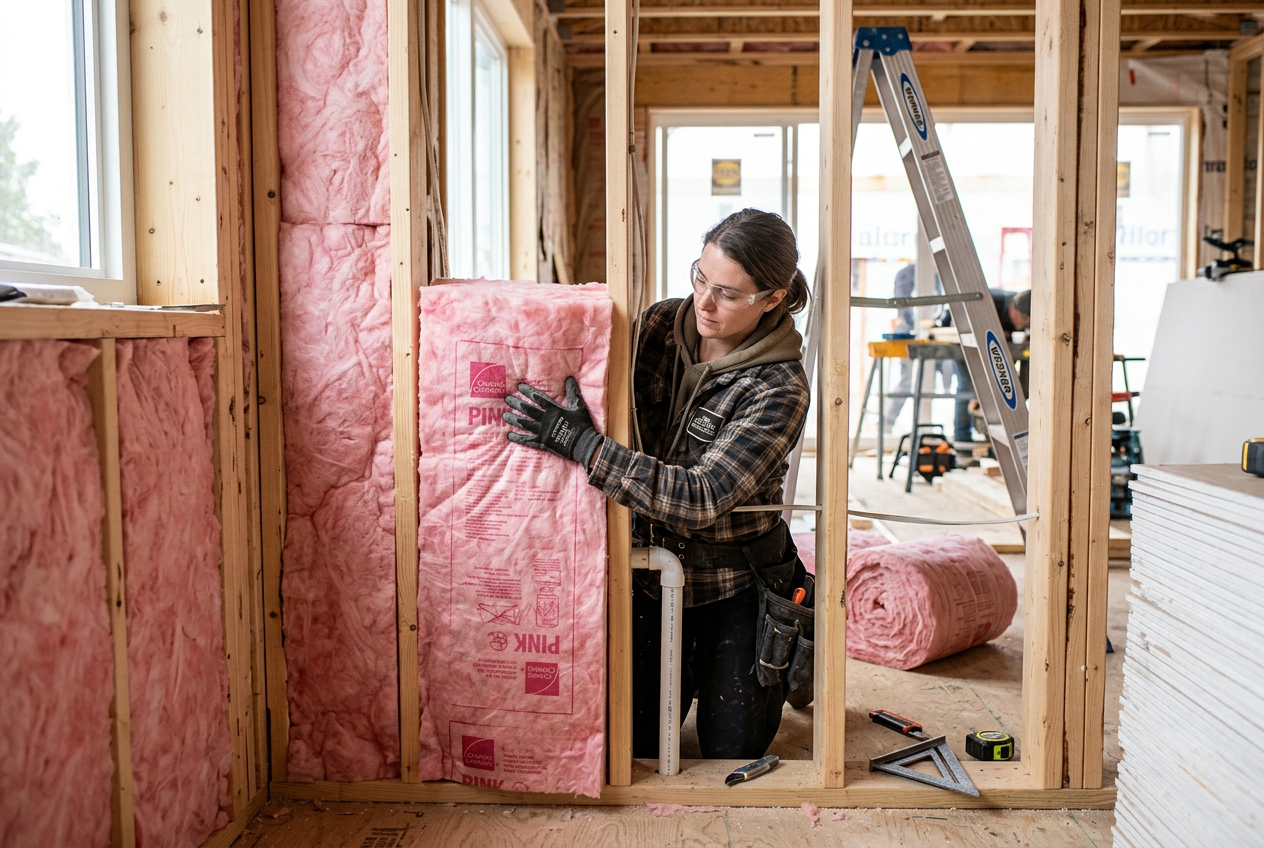
For most New Zealand homes, a full ceiling and underfloor insulation installation takes one to two days — often completed in a single day by an experienced crew. The exact timeframe depends on your home's size, the type of insulation being installed, and how easy it is to access the ceiling space and subfloor area.
What Affects How Long the Job Takes?
Several factors can speed up or slow down an insulation job:
- House size – A small two-bedroom home might be done in half a day, while a large four-bedroom house could take a full day or more.
- Access – Tight subfloor crawl spaces or low ceiling cavities make the work slower and more physically demanding.
- Insulation type – Batts (glasswool or polyester) are generally quicker to install than blown-in loose-fill insulation, which requires specialist equipment.
- Existing insulation – If old, damaged, or contaminated insulation needs to be removed first, this adds significant time.
- Obstacles – Pipes, wiring, cross-bracing, and irregular joist spacing all slow things down.
- Crew size – A two-person team works much faster than a sole installer.
Typical Timeframes at a Glance
| Home Size | Ceiling Only | Underfloor Only | Full Job (Both) |
|---|---|---|---|
| Small (2 bed) | 2–4 hours | 2–3 hours | Half to full day |
| Medium (3 bed) | 3–5 hours | 3–5 hours | Full day |
| Large (4+ bed) | 5–8 hours | 4–7 hours | 1–2 days |
These are rough guides only — your installer will give you a more accurate estimate after assessing your home.
Ceiling Insulation: What's Involved?
Installing ceiling batts involves entering the ceiling space through a manhole and laying insulation between the joists across the entire ceiling area. In a standard home with good access, an experienced team can cover a lot of ground quickly. However, if the ceiling space is very low (under 400 mm), progress slows considerably.
Blown-in insulation (loose-fill glasswool or cellulose) is sometimes used in ceilings, particularly where batt installation is difficult. This requires a blowing machine and hose, and while it can be faster in some situations, setup and cleanup add time.
Insulation must meet the NZ Building Code requirements — specifically Clause H1 (Energy Efficiency). The required R-value varies by climate zone. MBIE Building Performance publishes the current H1 requirements, and your installer should be across these.
Underfloor Insulation: What's Involved?
Underfloor insulation is installed by crawling beneath the house and fitting batts or segments between the floor joists, usually held in place with wire, clips, or a breathable membrane. This is physically demanding work in confined spaces.
Key factors that affect underfloor timing:
- Crawl space height – Less than 400 mm clearance makes the job much harder and slower.
- Ground moisture – Wet or muddy subfloors may need to dry out, or a ground moisture barrier may need to be installed first. This is often required under the Healthy Homes Standards for rental properties.
- Piles and bracing – These create obstacles that require cutting and fitting insulation around them.
Does Insulation Require a Building Consent?
In most cases, installing insulation in an existing home is a Schedule 1 exempt building work under the Building Act — meaning no consent is required. However, this can depend on the specifics of your project. Always check with your local council before starting, as exemptions can vary. MBIE Building Performance has guidance on Schedule 1 exemptions.
Healthy Homes and Rental Properties
If you're a landlord, the Healthy Homes Standards set minimum insulation requirements for rental properties. Compliance deadlines have applied progressively, so if you haven't already had your rental assessed, it's worth acting quickly. A qualified insulation installer can assess your property and advise on what's needed.
Tips to Help the Job Go Smoothly
- Clear the manhole area before the crew arrives.
- Ensure subfloor access is unobstructed — move stored items away from vents and access points.
- Let the installer know about any known issues like moisture, pests, or previous insulation.
- Be home or have someone available in case questions arise during the job.
When to Call a Professional
While some homeowners consider DIY insulation, there are good reasons to use a qualified installer:
- Working in ceiling and subfloor spaces involves health and safety risks, including exposure to glasswool fibres, confined spaces, and potential contact with electrical wiring. WorkSafe NZ has guidance on working safely in these environments.
- Incorrect installation (gaps, compression, or wrong R-values) significantly reduces effectiveness.
- A professional will ensure your insulation meets NZ Building Code Clause H1 requirements.
- For rental properties, professional installation provides documentation for Healthy Homes compliance.
You can find qualified local insulation installers on tradedirectory.co.nz.