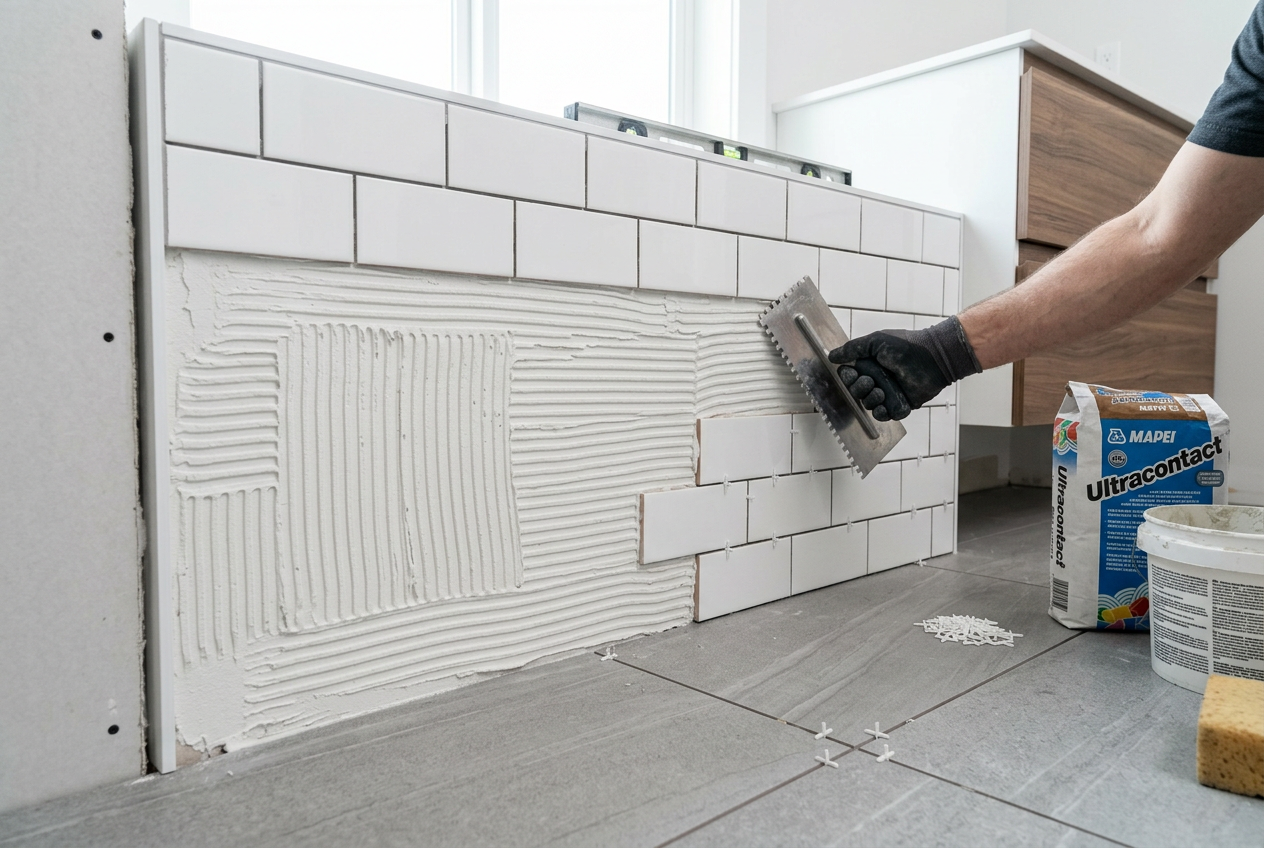
A full bathroom tile job in New Zealand typically takes 3 to 7 working days from start to finish, though this can stretch longer depending on the size of the space, the complexity of the design, and how much preparation work is needed. Understanding what goes into each stage helps you plan realistically and avoid surprises.
What's Included in a Full Bathroom Tile Job?
A "full bathroom tile job" usually covers the floor, shower or wet area walls, and sometimes a feature wall or splashback. Each surface adds time. A small ensuite with a shower box will take considerably less time than a large family bathroom with a full tub surround, floor-to-ceiling wall tiles, and a niche or two.
Here's a rough breakdown of the stages involved:
| Stage | Typical Time | |
|---|---|---|
| Surface preparation | 0.5–1 day | Checking levels, waterproofing, priming |
| Waterproofing (wet areas) | 1–2 days | Application + mandatory cure time |
| Tile layout and setting | 1–3 days | Depends on area and tile complexity |
| Grouting | 0.5–1 day | After adhesive has cured |
| Silicone sealing & finishing | 0.5 day | Corners, junctions, fixtures |
Why Waterproofing Adds Time You Can't Skip
In New Zealand, wet area waterproofing is a Building Code requirement under NZS 4858 and the MBIE Building Performance guidelines. Waterproofing membranes must be applied correctly and allowed to fully cure before any tiles go on — this alone can add one to two days to the job. Rushing this stage is one of the most common causes of costly leaks and failed tile jobs down the track.
If your bathroom is being retiled after a leak or damage, the tiler may also need to allow extra time to assess and repair the substrate (the surface beneath the tiles), which can add another day or more.
Tile Choice Makes a Big Difference
The type and size of tile you choose has a significant impact on how long the job takes:
- Large-format tiles (e.g., 600×600 mm or bigger) require more precise substrate preparation and careful levelling, which takes longer.
- Mosaic tiles or intricate patterns like herringbone or basketweave are fiddly and time-consuming to lay.
- Standard mid-size tiles (e.g., 300×300 mm or 300×600 mm) are generally the quickest to work with.
- Natural stone such as marble or travertine needs sealing before and after grouting, adding extra steps.
If you're still choosing tiles, your local Mitre 10 or Bunnings store can give you a sense of what's available, though specialist tile suppliers often have a wider range.
Substrate and Prep Work
A tiler can only work as fast as the surface allows. If the existing walls or floor are uneven, damaged, or not waterproofed, prep time increases. In many NZ bathrooms — particularly older homes — the tiler may find:
- Old adhesive or tiles that need removing
- Soft or water-damaged substrate (e.g., rotted fibre cement sheet or GIB that's been wet)
- Floors that are out of level and need a screed or self-levelling compound
Each of these adds time and may require additional materials. A good tiler will assess the substrate before quoting and flag any issues upfront.
Drying and Cure Times
Even once tiles are laid, you can't use the bathroom straight away. Key cure times to be aware of:
- Tile adhesive: typically 24 hours before grouting (check manufacturer specs)
- Grout: usually 24–48 hours before light use, longer before heavy moisture exposure
- Silicone sealant: generally 24 hours to cure fully
- Waterproofing membrane: varies by product — often 24–48 hours per coat
These cure times are non-negotiable. Rushing them leads to cracked grout, tile movement, and potential water ingress — problems that BRANZ research consistently identifies as among the most common causes of building defects in NZ homes.
Factors That Can Extend the Timeline
- Removing existing tiles: adds at least half a day, sometimes more
- Plumbing or electrical work needed before tiling (e.g., moving a shower drain or adding a heated towel rail) — this must be done by licensed tradespeople first
- Complex layouts with lots of cuts around windows, niches, or curved walls
- Drying time for screeds — a floor screed can take 24–72 hours to cure before tiling begins
- Ordering delays if tiles are out of stock or need to be specially ordered
When to Call a Professional
Tiling a wet area bathroom is not a straightforward DIY job. Waterproofing in shower and bath areas is not classified as restricted building work under the LBP scheme, but getting it wrong can void your home insurance and lead to expensive structural damage. Engaging a qualified, experienced tiler is strongly recommended for this work.
A qualified tiler will also have the tools and experience to achieve flat, even surfaces, consistent grout lines, and proper junctions — things that are very difficult to replicate without training. If you're looking for a trusted local tiler, you can search for professionals on tradedirectory.co.nz.
Always check that any plumbing work (moving waste pipes, installing new tapware) is carried out by a licensed plumber registered with the Plumbers, Gasfitters and Drainlayers Board, and that any electrical work is done by a registered electrician through the EWRB.

 Site Safe
 SiteWise


 BCITO Qualified





