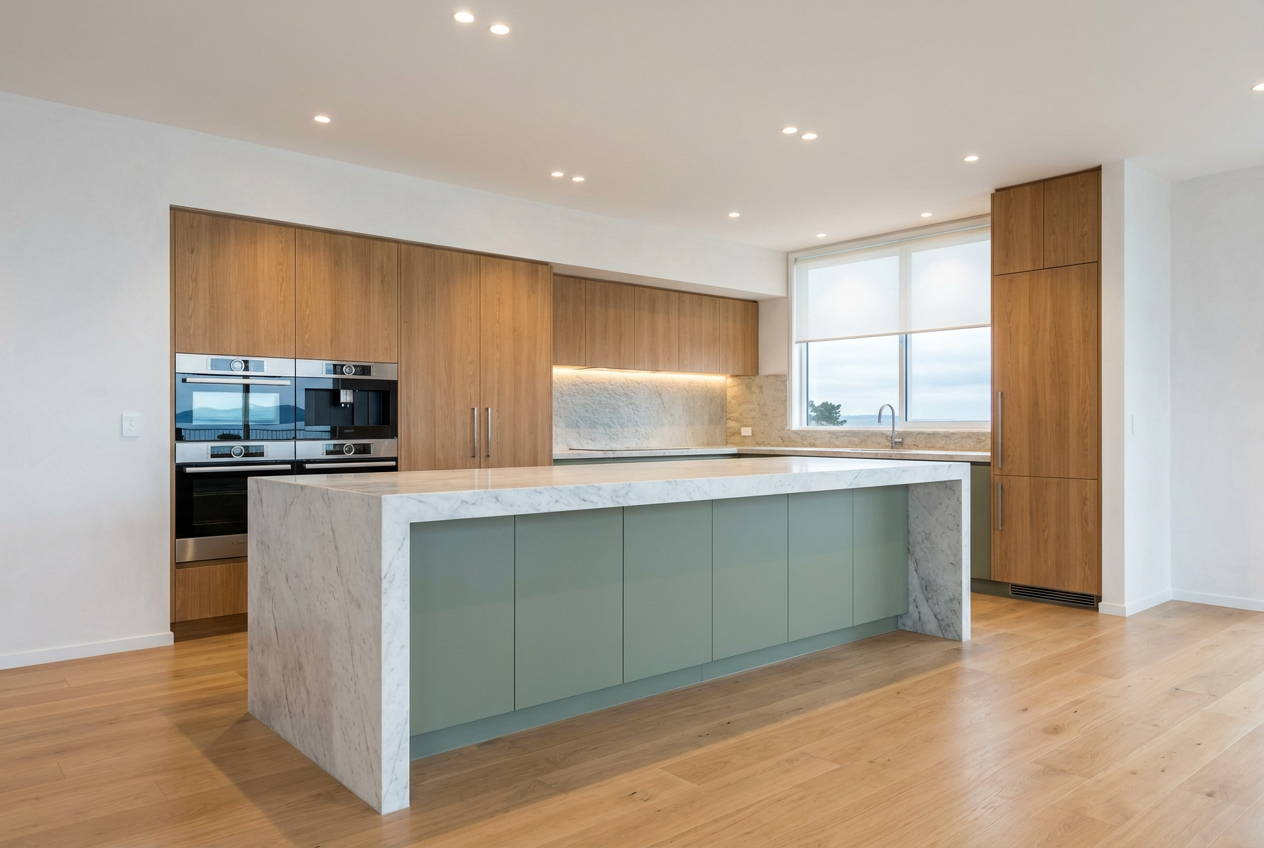
For most joinery work in New Zealand, booking 4 to 12 weeks in advance is a sensible rule of thumb — though larger custom projects or busy periods can push that out considerably further. The joinery trade is in high demand across the country, so planning ahead is one of the best things a homeowner can do to avoid delays.
Why Joinery Lead Times Can Be Long
Joiners don't just turn up and fit things on the spot. Most residential joinery — think kitchens, wardrobes, window joinery, doors, and cabinetry — involves a design and measure phase, followed by workshop fabrication, and then on-site installation. Each of those stages takes time, and they happen in sequence.
Custom-made joinery (as opposed to off-the-shelf flat-pack) is built specifically for your space. Once a joiner has measured up and finalised your design, the manufacturing process alone can take two to six weeks depending on materials, complexity, and workshop capacity.
On top of that, many joinery businesses are small operations with limited installation crews. A popular local joiner may have their schedule booked out weeks or months ahead, particularly in growth areas like Auckland, Tauranga, Christchurch, and Queenstown.
Typical Lead Times by Job Type
| Job Type | Typical Lead Time |
|---|---|
| Small repairs or adjustments | 1–3 weeks |
| Standard door or window replacement | 3–6 weeks |
| Custom kitchen cabinetry | 6–14 weeks |
| Full bathroom or laundry fitout | 6–12 weeks |
| New build joinery package | 8–20+ weeks |
| Custom wardrobes or built-ins | 4–10 weeks |
These are general guides only — actual lead times will vary by tradesperson, region, and current workload.
Seasonal Demand Peaks
The joinery trade tends to get very busy at certain times of year:
- Spring (September–November): Homeowners gear up for summer renovations, and new build activity picks up. This is one of the busiest periods.
- Pre-Christmas (October–December): Many people want projects finished before the holidays, creating a rush.
- Post-summer (February–April): Another busy patch as people return from holidays and kick off projects.
If your project falls in or near these windows, add extra buffer time — booking 10–16 weeks out during peak periods is not unusual for custom work.
Factors That Affect How Far Ahead You Need to Book
Project complexity: A simple door rehang needs far less lead time than a full kitchen fitout with custom cabinetry, benchtops, and integrated appliances.
Material availability: Certain timbers, hardware, and specialty materials can have their own supply lead times. Your joiner will factor this in, but it's worth asking about upfront.
Building consents: Some joinery work — particularly structural alterations, changes to windows in certain locations, or work on heritage buildings — may require a building consent from your local council. Consent processing adds time before work can even begin. Check with your council or visit MBIE Building Performance to understand what's required. Some work is exempt under Schedule 1 of the Building Act, but always confirm with your council rather than assuming.
New builds vs. renovations: If you're building a new home, your joiner needs to be coordinated with your builder's programme. Joinery is often one of the longer-lead items on a new build schedule, so builders typically lock in joiners early in the process.
Your location: Rural areas or smaller towns may have fewer joiners available locally, which can extend wait times. Alternatively, some regional joiners are less booked out than those in major cities.
Tips for Booking a Joiner in New Zealand
- Get in touch early, even if you're not 100% ready. Many joiners are happy to have a preliminary conversation, do a measure-up, and hold a spot in their schedule while you finalise decisions.
- Have a clear brief ready. Knowing your preferred materials, style, and budget helps the joiner give you an accurate quote and timeline faster.
- Ask about their current lead time upfront — it varies significantly between businesses and changes throughout the year.
- Get everything in writing: scope of work, timeline, payment schedule, and what happens if materials are delayed.
- Check their credentials: While joinery itself is not licensed restricted work under the Licensed Building Practitioners scheme in the same way as structural building work, any associated work that is restricted building work (such as structural alterations) must be carried out or supervised by an LBP. Always ask your joiner about this if your project involves structural changes.
- Be aware of related trades: If your joinery project involves electrical work (e.g., kitchen lighting or rangehood wiring) or plumbing (e.g., kitchen sink connections), those tasks must be completed by licensed tradespeople — electricians registered with the EWRB and plumbers licensed through the PGDB.
When to Call a Professional
For anything beyond minor adjustments to existing joinery, it's worth engaging a qualified joiner. Custom cabinetry, window and door replacements, and kitchen or bathroom fitouts all benefit from professional design, precise measurement, and skilled installation. Poor joinery can affect weathertightness, security, and the overall finish of your home — so it's not an area to cut corners.
You can find qualified local joiners in your area through tradedirectory.co.nz, where you can compare tradespeople and read reviews before making contact.





