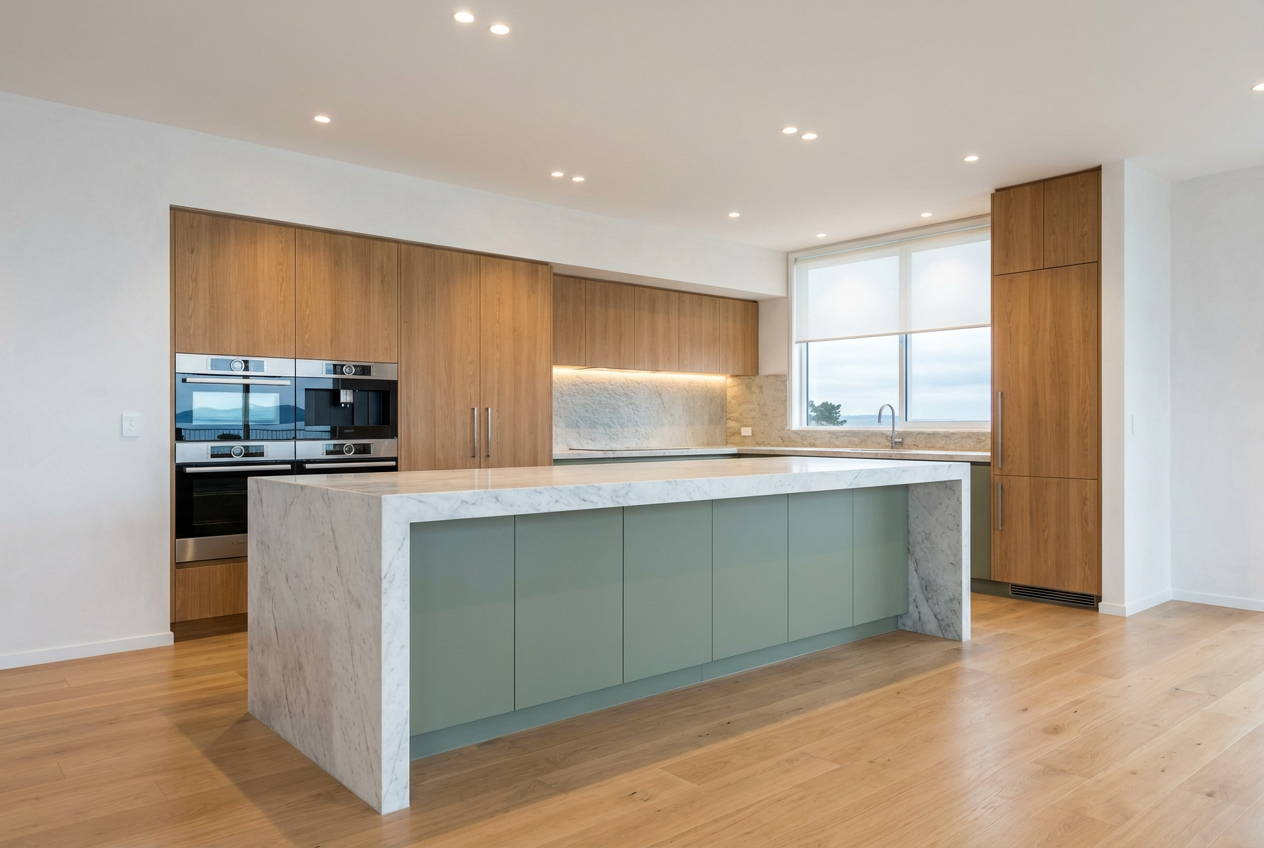
For most New Zealand homeowners, booking a cabinet maker 6 to 16 weeks in advance is a safe rule of thumb — though this can stretch further during busy periods or for complex, custom work. Getting in early is one of the simplest things you can do to keep your renovation on track and avoid costly delays.
Why Lead Times Are So Long in NZ
Custom cabinetry is not an off-the-shelf product. Your cabinet maker needs time to consult with you, draw up plans, source materials, manufacture the units in their workshop, and then schedule installation. Each of those steps takes time, and most reputable cabinet makers carry a healthy order book.
A few factors that push lead times out include:
- High demand periods — Spring and early summer (October to December) are traditionally the busiest times for renovations in NZ, so tradespeople book up fast.
- Supply chain delays — Imported hardware, specialty timbers, and board products can have their own lead times, especially if your cabinet maker is sourcing from overseas suppliers.
- Project complexity — A full kitchen with custom joinery, integrated appliances, and stone benchtops takes considerably more planning than a single bathroom vanity.
- Regional availability — In smaller towns and rural areas, there may be fewer cabinet makers available, meaning their books fill up even faster.
Typical Lead Times by Project Type
| Project Type | Typical Lead Time |
|---|---|
| Single piece (e.g. vanity, wardrobe) | 4–8 weeks |
| Laundry or small kitchen | 6–10 weeks |
| Full kitchen renovation | 8–16 weeks |
| Large custom joinery project | 12–20+ weeks |
These are general guides only — always confirm directly with your chosen tradesperson, as their current workload will vary.
When to Start Planning
The earlier you start, the better. Here is a rough planning timeline to work backwards from your desired completion date:
- 3–6 months out: Start researching cabinet makers, looking at styles, and gathering inspiration. This is also a good time to think about whether your project needs a building consent. Most internal cabinetry work does not require consent, but structural changes (like removing walls to open up a kitchen) often do. Always check with your local council — MBIE Building Performance has helpful guidance on what triggers consent requirements.
- 2–4 months out: Get quotes from at least two or three cabinet makers. A good tradesperson will want to visit your home, take measurements, and understand your brief before quoting.
- 6–8 weeks out (minimum): Confirm your booking and pay any required deposit. At this point, your cabinet maker will typically finalise drawings and order materials.
What to Have Ready When You Call
Cabinet makers appreciate homeowners who come prepared. Having the following ready will speed up the quoting process:
- Rough measurements of the space (length, width, ceiling height)
- A clear brief — what storage do you need, what style are you after, any appliances to integrate?
- A budget range — custom cabinetry is a significant investment; being upfront helps your tradesperson suggest the right materials and finishes
- Inspiration images — photos from magazines, Pinterest, or showrooms help communicate your vision quickly
Factors That Affect Cost and Scheduling
The materials you choose will affect both price and how quickly your cabinet maker can source them. Locally available board products and hardware are generally faster to procure than imported specialty items. If you have your heart set on a particular timber species or European hardware brand, factor in extra lead time.
Finishes also matter. Painted cabinetry, for example, may require additional drying and curing time between coats in the workshop before installation can happen.
Tips for Avoiding Delays
- Lock in your design decisions early. Changes made after manufacturing has started can be expensive and time-consuming.
- Coordinate with other trades. Cabinet installation often needs to happen after plastering and painting but before flooring and splashback tiling. Talk to your cabinet maker about sequencing — or consider hiring a project manager if you have multiple trades involved.
- Confirm your appliance sizes. If you are integrating appliances into your kitchen cabinetry, have the exact model specifications confirmed before your cabinet maker finalises drawings.
- Check licensing. Cabinet makers are not a licensed trade in NZ in the same way as electricians or plumbers, but if your project involves any electrical work (e.g. under-cabinet lighting, rangehood wiring) or plumbing (e.g. moving sink connections), those elements must be carried out by a licensed professional — see EWRB for electrical and PGDB for plumbing and gasfitting.
When to Call a Professional
For any custom cabinetry project — whether it is a new kitchen, bathroom vanity, built-in wardrobes, or laundry joinery — working with a qualified cabinet maker will give you the best result. A skilled tradesperson will ensure your cabinetry is level, square, and built to last in NZ's variable climate conditions (humidity in particular can affect timber and board products over time).
You can find experienced, local cabinet makers across New Zealand on tradedirectory.co.nz. Getting multiple quotes is always a good idea, and do not be afraid to ask to see examples of previous work or speak to past clients.