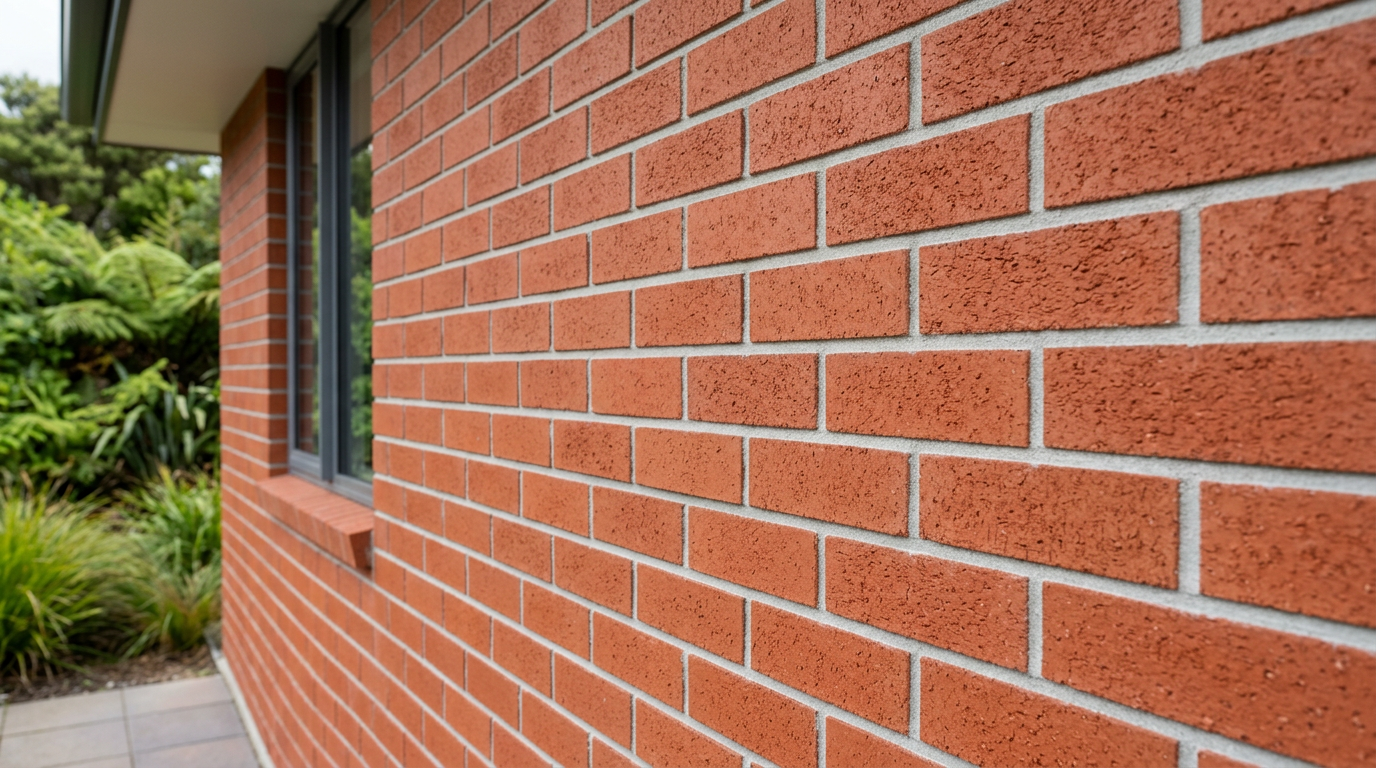
For a large bricklaying job in New Zealand — think a new home, a substantial retaining wall, or a full exterior cladding project — booking 2 to 4 months in advance is a sensible rule of thumb. In high-demand areas like Auckland, Wellington, or Queenstown, or during the busy summer building season, you may need to plan even further ahead. Getting in early gives you the best chance of securing a skilled tradesperson and keeping your project on schedule.
Why Bricklayers Are Often Booked Out
Bricklaying is a skilled, time-intensive trade, and there are relatively few qualified bricklayers in New Zealand compared to demand. Several factors drive this:
- Skilled trade shortage — Bricklaying apprenticeships take years to complete, and the pool of experienced bricklayers is limited nationwide.
- Construction booms — When residential or commercial building activity is high, every trade gets stretched thin.
- Weather dependency — Bricklayers can't lay in heavy rain or frost, so fine-weather months (spring through autumn) fill up fast.
- Project complexity — Large jobs require sustained crew availability, meaning a bricklayer may block out weeks or months for a single project.
What Counts as a "Big Job"?
As a general guide, a big bricklaying job in NZ typically involves:
| Job Type | Approximate Scale |
|---|---|
| New brick or block home | Full build, multiple weeks of work |
| Brick veneer cladding | Entire exterior of a house |
| Large retaining wall | Over 1.5 m high or long runs |
| Commercial or multi-unit project | Ongoing, crew-based work |
| Substantial outdoor entertaining area | Paving, feature walls, BBQ structures |
Smaller jobs — like a garden wall under 1 metre or a letterbox — may only need a week or two of lead time, depending on the tradesperson's schedule.
Factors That Affect Booking Lead Times
Your Region
Rural areas may have fewer local bricklayers, meaning tradespeople travel further and have tighter schedules. Major cities tend to have more options but also more competition for bookings.
Time of Year
Spring (September–November) and summer (December–February) are peak building seasons in NZ. If you want work done in these months, start enquiring in late winter at the latest. Winter bookings can sometimes be easier to secure, though weather delays are more likely.
Building Consent
Many significant bricklaying projects — particularly structural block walls, brick veneer cladding, or retaining walls over 1.5 m — will require a building consent from your local council. The consent process can take several weeks or longer, so factor this into your timeline before you even approach a bricklayer. Check with your council early, and visit MBIE Building Performance for guidance on what requires consent and what may be exempt under Schedule 1 of the Building Act. Always confirm exemptions with your council, as interpretations can vary.
Material Lead Times
Bricks, blocks, and mortar products sometimes have their own supply delays, especially for specialty or imported bricks. A good bricklayer will help you identify materials early so orders can be placed in time.
How to Approach Booking a Bricklayer
- Define your project clearly — Have a rough plan, site measurements, and an idea of the materials you want before making contact.
- Get multiple quotes — Approach at least two or three bricklayers. This gives you a sense of pricing, availability, and professionalism.
- Ask about their schedule upfront — A reputable tradesperson will be honest about when they can realistically start.
- Check their credentials — For structural or complex work, look for a Licensed Building Practitioner (LBP). LBPs are licensed to carry out and supervise restricted building work in NZ.
- Get everything in writing — A written contract covering scope, timeline, payment schedule, and materials protects both parties.
- Secure your consent first — Don't book a start date until your building consent is approved if one is required.
Tips to Keep Your Project on Track
- Order materials early — Once your bricklayer is confirmed, work with them to order bricks and blocks promptly.
- Keep the site accessible — Delays caused by access issues or other trades running over time can push your bricklayer's schedule out.
- Communicate regularly — A quick check-in as your start date approaches helps confirm everything is still on track.
- Budget for contingencies — Weather delays and unforeseen site conditions are common in NZ construction. Build some flexibility into your timeline.
For guidance on construction standards relevant to bricklaying and masonry in NZ, BRANZ is an excellent resource for both homeowners and tradespeople.
When to Call a Professional
Bricklaying itself is not a licensed restricted trade in the same way as electrical or plumbing work, but structural bricklaying and block work is classified as restricted building work under the Building Act. This means it must be carried out or supervised by a Licensed Building Practitioner. Attempting structural masonry yourself without the right skills and licensing could void your building consent and create serious safety risks.
For any job requiring a building consent, or any wall that is load-bearing or over 1.5 m in height, always engage a qualified, experienced bricklayer — ideally an LBP. You can find local bricklayers on tradedirectory.co.nz.


 Licensed Building Practitioner (LBP)





