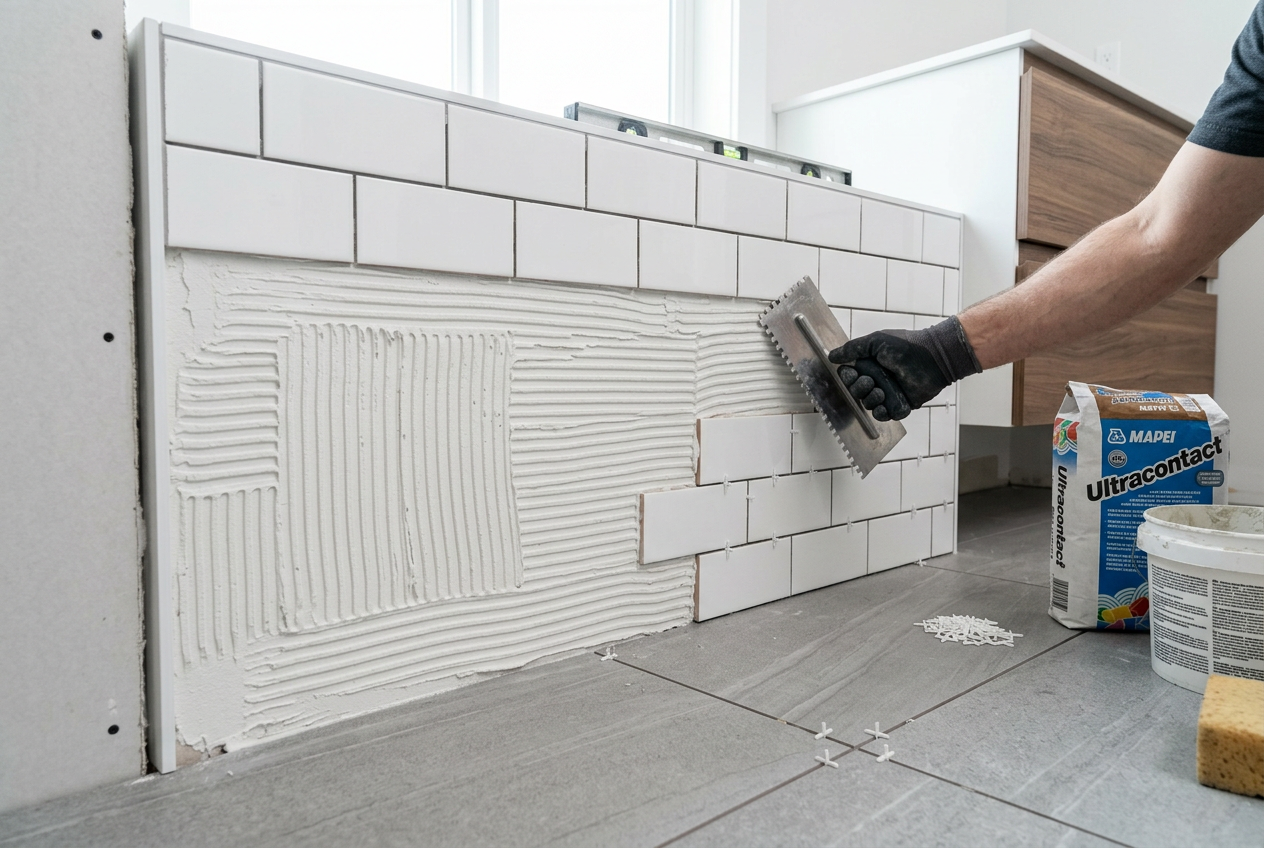
For most tiling jobs in New Zealand, booking 4 to 8 weeks in advance is a sensible rule of thumb. During busy periods — such as spring and summer when renovation activity peaks — lead times can stretch to 2 to 3 months, especially for experienced tilers with strong reputations. Planning ahead is one of the best things you can do to keep your project on track.
Why Tilers Can Be Hard to Book at Short Notice
Quality tilers are in high demand across New Zealand, particularly in growth areas like Auckland, Wellington, Christchurch, and Queenstown. Several factors contribute to longer wait times:
- Renovation booms — New Zealand's housing market drives steady demand for bathroom, kitchen, and floor tiling work.
- Skilled trade shortages — There are fewer qualified tilers than the market needs, so good ones fill their schedules quickly.
- Project sequencing — Tiling usually happens after waterproofing, plastering, and framing are complete, so tilers often juggle multiple jobs at once.
- Material lead times — Some tiles (especially imported or custom orders) can take 4–10 weeks to arrive, which affects when a tiler can actually start.
Factors That Affect How Far Ahead You Need to Book
Size and complexity of the job
A small laundry splashback might be squeezed in with a few weeks' notice. A full bathroom renovation with large-format tiles, underfloor heating, or intricate mosaic work will need much more lead time — both for the tiler's schedule and for sourcing materials.
Time of year
Spring (September–November) and the lead-up to Christmas are the busiest periods for tilers. If you want work done before the holidays, aim to book by September at the latest. January can sometimes offer slightly shorter wait times as the construction industry winds down over summer.
Location
In main centres, demand is consistently high. In smaller towns or rural areas, there may be fewer tilers available, which can either mean shorter waits (less competition for their time) or longer ones (fewer tradespeople overall). Check tradedirectory.co.nz to find local tilers near you.
Whether consents are involved
Some tiling work — particularly wet areas like showers — must comply with NZ Building Code clauses E3 (Internal Moisture) and E2 (External Moisture — though E2 primarily relates to external weathertightness; confirm with your council which clauses apply to your specific wet area work). Waterproofing membranes under tiles in wet areas are a critical part of this. If your project requires a building consent, factor in council processing times (often 20 working days or more) before your tiler can begin. Always check with your local council whether consent is needed; don't rely on assumptions.
Tips for Securing a Good Tiler
- Get in early — As soon as you know you want tiling done, start making enquiries. Even if your build isn't ready, a tiler can pencil you in.
- Have your tile selection ready — Tilers appreciate knowing what product they're working with. Confirm your tiles are in stock or on order before locking in a start date.
- Get at least two or three quotes — This helps you compare price, availability, and approach. Consumer NZ recommends getting multiple quotes for any significant trade work.
- Check their experience with your tile type — Large-format porcelain, natural stone, and mosaic tiles each require specific skills and adhesives. Ask to see examples of similar work.
- Confirm waterproofing knowledge — In wet areas, the tiler (or a separate waterproofer) must apply a compliant membrane system. Products from suppliers like Ardex, Mapei, or Sika are commonly used. Ask how they handle this step.
What to Expect When You Book
Most tilers will want to visit the site before quoting, especially for bathrooms or complex floor areas. They'll assess:
| Factor | Why It Matters |
|---|---|
| Substrate condition | Tiles need a flat, solid, dry base |
| Existing waterproofing | May need repair or replacement |
| Tile size and layout | Affects adhesive type and labour time |
| Access and site readiness | Delays here push the whole schedule out |
Once you accept a quote, expect to pay a deposit to secure your booking. Keep communication open — if your build runs late, let your tiler know as soon as possible so they can adjust their schedule.
When to Call a Professional
Tiling itself is not legally restricted work in New Zealand, meaning a competent homeowner can tile their own walls or floors. However, wet area waterproofing is a critical building element, and getting it wrong can lead to serious moisture damage and costly repairs. BRANZ research consistently shows that water ingress is one of the most common and costly building defects in NZ homes.
For any bathroom, shower, or laundry tiling, it's strongly recommended to use a professional tiler with proven wet area experience. If your project involves structural changes, plumbing repositioning, or underfloor heating wiring, those elements must be carried out by licensed plumbers (PGDB) and registered electricians (EWRB) respectively — tilers cannot perform this restricted work.
For peace of mind, look for a tiler who is familiar with MBIE Building Performance requirements and can document their waterproofing process.

 Site Safe
 SiteWise


 BCITO Qualified





