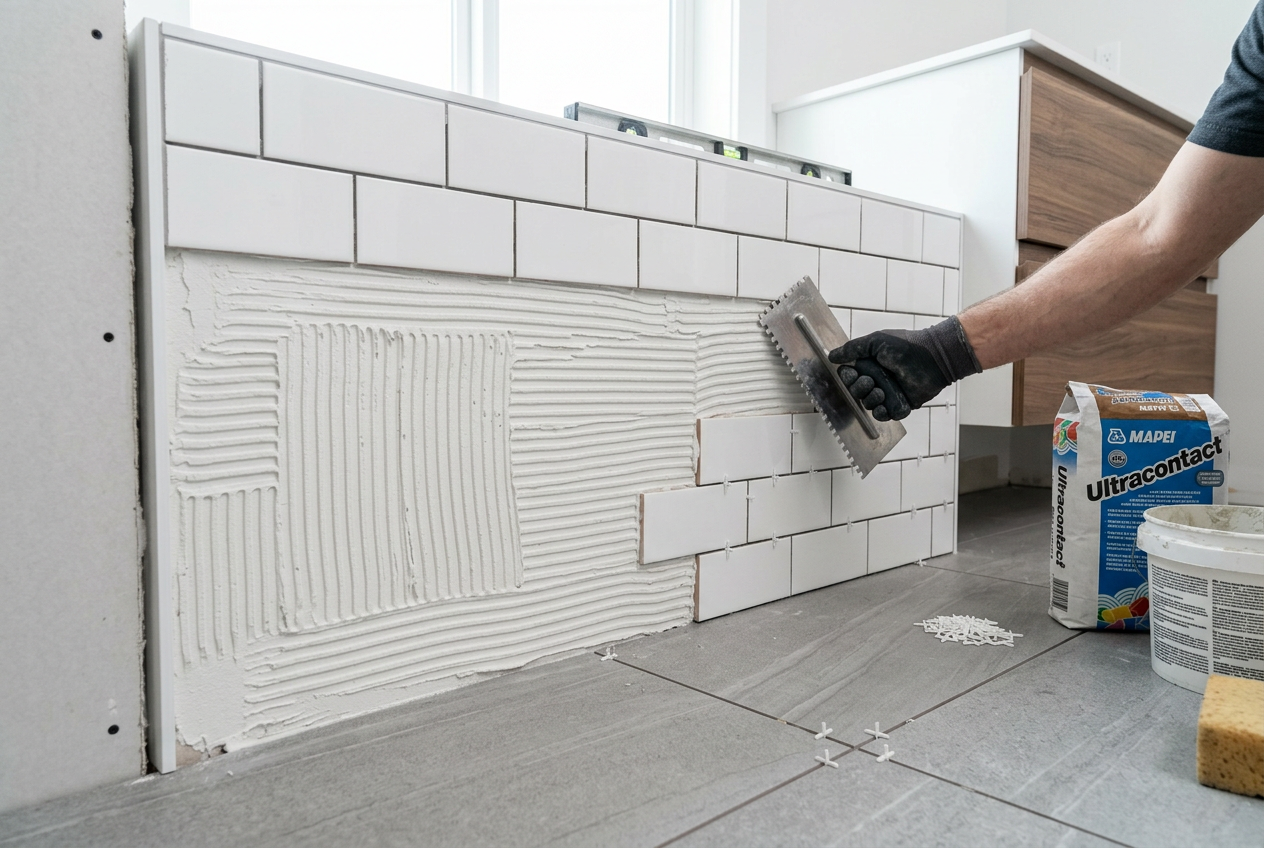
During New Zealand's summer months — roughly November through to the end of February — tilers are in high demand. As a general guide, aim to book your tiler at least 4 to 8 weeks in advance, and potentially longer if your project is large or complex. Getting in early means you're far more likely to secure a quality tradesperson at a time that suits you.
Why Summer Is the Busiest Time for Tilers
Summer is peak season for home renovations across New Zealand for several good reasons:
- Better drying and curing conditions — Tile adhesives, grouts, and waterproofing membranes generally cure more reliably in warm, dry weather. Many products have minimum temperature requirements, so summer is ideal.
- School holidays and annual leave — Homeowners often tackle renovations when the family is home and routines are disrupted anyway.
- New builds and construction — The broader construction industry ramps up over summer, meaning tilers working on new homes are also stretched thin.
- End-of-year deadlines — Many people want bathrooms, kitchens, or outdoor areas finished before Christmas entertaining season.
All of this means that good tilers — particularly those with strong reputations — can be booked out weeks or even months in advance.
How Far Ahead Should You Book?
As a practical guide:
| Project Type | Recommended Lead Time |
|---|---|
| Small repair or single room | 3–5 weeks |
| Bathroom or laundry renovation | 5–8 weeks |
| Kitchen splashback | 4–6 weeks |
| Large-scale or multi-room tiling | 8–12 weeks |
| Outdoor areas (pool surrounds, patios) | 8–12 weeks |
These are rough guides only — actual availability will vary depending on your region, the specific tradesperson, and how busy the broader construction sector is at the time.
What Affects a Tiler's Availability?
Several factors can influence how quickly you can get a tiler on site:
- Location — Tilers in larger centres like Auckland, Wellington, and Christchurch may be busier, but there's also more of them. In smaller towns or rural areas, there may be fewer qualified tilers available.
- Reputation and reviews — The best tradespeople are always the first to fill their books. If you've been recommended a specific tiler, don't delay.
- Scope of work — A tiler who also handles waterproofing (required under NZS 4858 and the NZ Building Code's Clause E3) may have additional scheduling considerations.
- Material lead times — Some tiles, particularly imported or specialty products, can take weeks to arrive. Your tiler may need to factor this into their schedule.
Tips for Securing a Tiler Early
Plan your project before you call
Have a rough idea of the area to be tiled, the tile type you want, and whether any prep work (like waterproofing or substrate repair) is needed. This helps the tiler give you an accurate quote and schedule.
Get your tiles sorted early
Tile availability can be a hidden cause of delays. Check with suppliers and confirm stock levels before locking in a start date. Bunnings and Mitre 10 carry a range of tiles, or your tiler may have preferred suppliers.
Ask about deposits and booking confirmation
A reputable tiler will typically ask for a deposit to hold your spot. Make sure you get written confirmation of the agreed start date and scope of work.
Be flexible where you can
If you can start mid-week or adjust your timeline slightly, you may find it easier to get a booking. Rigid scheduling can limit your options during peak periods.
Consider off-peak timing if your project isn't urgent
Autumn (March–May) and early winter can be quieter periods for tilers, and you may get faster availability and more attention to your job.
Building Consent and Waterproofing Considerations
Some tiling work — particularly in wet areas like bathrooms and showers — involves waterproofing, which must comply with the NZ Building Code. Depending on the scope, a building consent may be required. Always check with your local council before starting work. Your tiler should be familiar with these requirements, but the responsibility to obtain consent (where needed) typically sits with the homeowner.
For guidance on what requires consent and what falls under Schedule 1 exemptions, visit MBIE Building Performance. BRANZ also has useful technical guidance on wet area construction.
When to Call a Professional
Tiling in wet areas such as showers, bathrooms, and laundries involves waterproofing membranes that must be correctly applied to prevent moisture damage — a leading cause of costly building defects in NZ homes. Always use a qualified, experienced tiler for these areas.
If your tiling project involves moving or installing new plumbing fixtures, that work must be carried out by a licensed plumber registered with the Plumbers Gasfitters & Drainlayers Board. Similarly, any electrical work (such as installing underfloor heating under tiles) must be done by a registered electrician — check the Electrical Workers Registration Board.
You can find qualified local tilers in your area through tradedirectory.co.nz.

 Site Safe
 SiteWise


 BCITO Qualified





