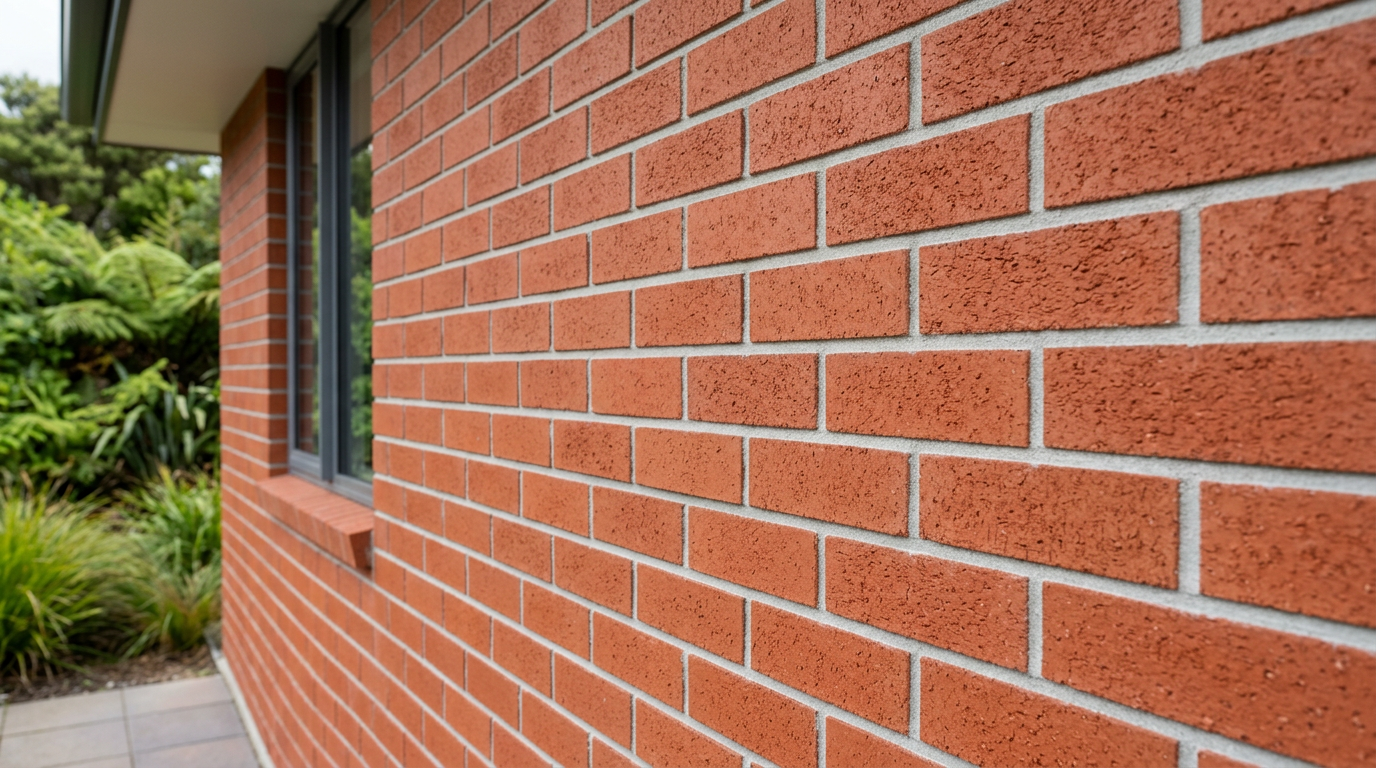
For a large bricklaying project in New Zealand — think a full brick home, a substantial retaining wall, or a major commercial build — booking your bricklayer 3 to 6 months in advance is a sensible rule of thumb. In high-demand regions like Auckland, Wellington, or Queenstown, or during the busy spring and summer building season, you may need to plan even further ahead.
Why Bricklayers Are in High Demand in NZ
Skilled bricklayers are a relatively scarce trade in New Zealand. Unlike some other construction trades, bricklaying requires years of apprenticeship and hands-on experience to master. The combination of a strong residential construction market, ongoing infrastructure projects, and a limited pool of qualified tradespeople means good bricklayers often have full order books.
Factors that drive demand include:
- New residential builds — brick veneer and full brick homes remain popular for their durability and thermal mass
- Earthquake strengthening and remediation — particularly in Canterbury and Wellington, where older masonry work may need repair or reinforcement
- Retaining walls and landscaping — brick and block retaining walls are common across NZ's hilly terrain
- Commercial and industrial projects — these often lock in tradespeople for extended periods
What Counts as a 'Large' Project?
As a general guide, a large bricklaying project might include:
| Project Type | Approximate Scale |
|---|---|
| Full brick or brick veneer home | 150 m² floor area or more |
| Substantial retaining wall | Over 20 linear metres or over 1.5 m high |
| Commercial or multi-unit build | Any multi-storey or multi-dwelling project |
| Heritage restoration | Any significant masonry repair or repointing job |
Smaller jobs — like a garden feature wall or a letterbox — may only need a few weeks' notice, but it still pays to get in touch early.
Key Factors That Affect Booking Lead Times
Your Location
Rural areas may have fewer local bricklayers available, meaning tradespeople may need to travel — adding cost and complexity. Urban centres have more options but also more competition for bookings.
Time of Year
Spring (September–November) and summer (December–February) are the busiest periods for construction in NZ. If your project is planned for these months, aim to book at least 4–6 months ahead. Winter bookings may be easier to secure, though wet weather can affect progress.
Building Consent Timing
Most large bricklaying projects will require a building consent from your local council before work can begin. The consent process can take weeks or even months depending on your council's workload and the complexity of your plans. You'll want your bricklayer lined up before — or at least alongside — the consent process, not after. Check MBIE Building Performance for guidance on what requires consent and what may qualify as exempt work under Schedule 1 of the Building Act. Always confirm with your local council.
Project Complexity
Work involving structural masonry — such as load-bearing brick walls or reinforced concrete block construction — must comply with the NZ Building Code and relevant standards (including NZS 4210 for masonry construction). Complex or heritage projects may also require specialist skills, narrowing your pool of suitable tradespeople.
How to Secure a Good Bricklayer Early
- Start your search early — use a directory like tradedirectory.co.nz to find qualified local bricklayers and request quotes well before you need work to start.
- Get at least two or three quotes — this helps you compare pricing, timelines, and communication style.
- Ask about their current workload — a reputable bricklayer will be upfront about their availability.
- Confirm licensing and experience — for work involving structural elements, check that your tradesperson is a Licensed Building Practitioner (LBP). Certain restricted building work must be carried out or supervised by an LBP.
- Get everything in writing — a written contract covering scope, timeline, materials, and payment terms protects both parties.
Building Code and Standards to Be Aware Of
Brick and masonry work in NZ must meet the requirements of the NZ Building Code, particularly:
- Clause B1 (Structure) — ensuring walls and retaining structures are structurally sound
- Clause E2 (External Moisture) — brick veneer systems must be detailed correctly to manage water
- NZS 4210 — the standard for masonry construction
BRANZ is an excellent resource for technical guidance on masonry construction and weathertightness details.
When to Call a Professional
Always use a qualified, experienced bricklayer for:
- Any structural masonry (load-bearing walls, piers, chimneys)
- Retaining walls over 1.5 m high — these almost always require building consent and engineering input
- Heritage or earthquake-prone building work — specialist knowledge is essential
- Any work that forms part of restricted building work under the Building Act, which must involve an LBP
For large projects, it's worth engaging a bricklayer who can work alongside your builder, engineer, and council from the planning stage. You can find experienced, local bricklayers on tradedirectory.co.nz.


 Licensed Building Practitioner (LBP)





