The Warmer Kiwi Homes programme is a government-funded scheme that helps eligible New Zealand homeowners upgrade their insulation and heating at a significantly reduced cost. Depending on your circumstances, you could receive a subsidy covering up to 80–90% of the cost of approved upgrades. Here's a plain-English breakdown of how the scheme works from start to finish.
What Is Warmer Kiwi Homes?
Warmer Kiwi Homes is administered by the Energy Efficiency and Conservation Authority (EECA) and delivered through approved providers across New Zealand. The goal is to make homes warmer, drier, and more energy-efficient — which also supports the Healthy Homes standards for rental properties. The scheme focuses on two main upgrades: insulation and heating.
Who Is Eligible?
To qualify for a Warmer Kiwi Homes subsidy, you generally need to meet all of the following criteria:
- You own and live in the home (owner-occupiers only — not landlords or renters applying on their own behalf)
- Your home was built before 2008
- You hold a Community Services Card, OR your home is in an area with a high proportion of lower-income households (based on the NZ Deprivation Index)
- Your home does not already have ceiling and underfloor insulation that meets the current standard
Eligibility can be a little nuanced — for example, some areas qualify based on location alone even without a Community Services Card. The best first step is to check directly with Energywise, EECA's consumer-facing resource, or contact an approved Warmer Kiwi Homes provider in your region.
What Upgrades Are Covered?
The scheme covers two main categories:
Insulation
- Ceiling insulation (including top-up of existing underperforming insulation)
- Underfloor insulation (batts or foil, depending on your subfloor type)
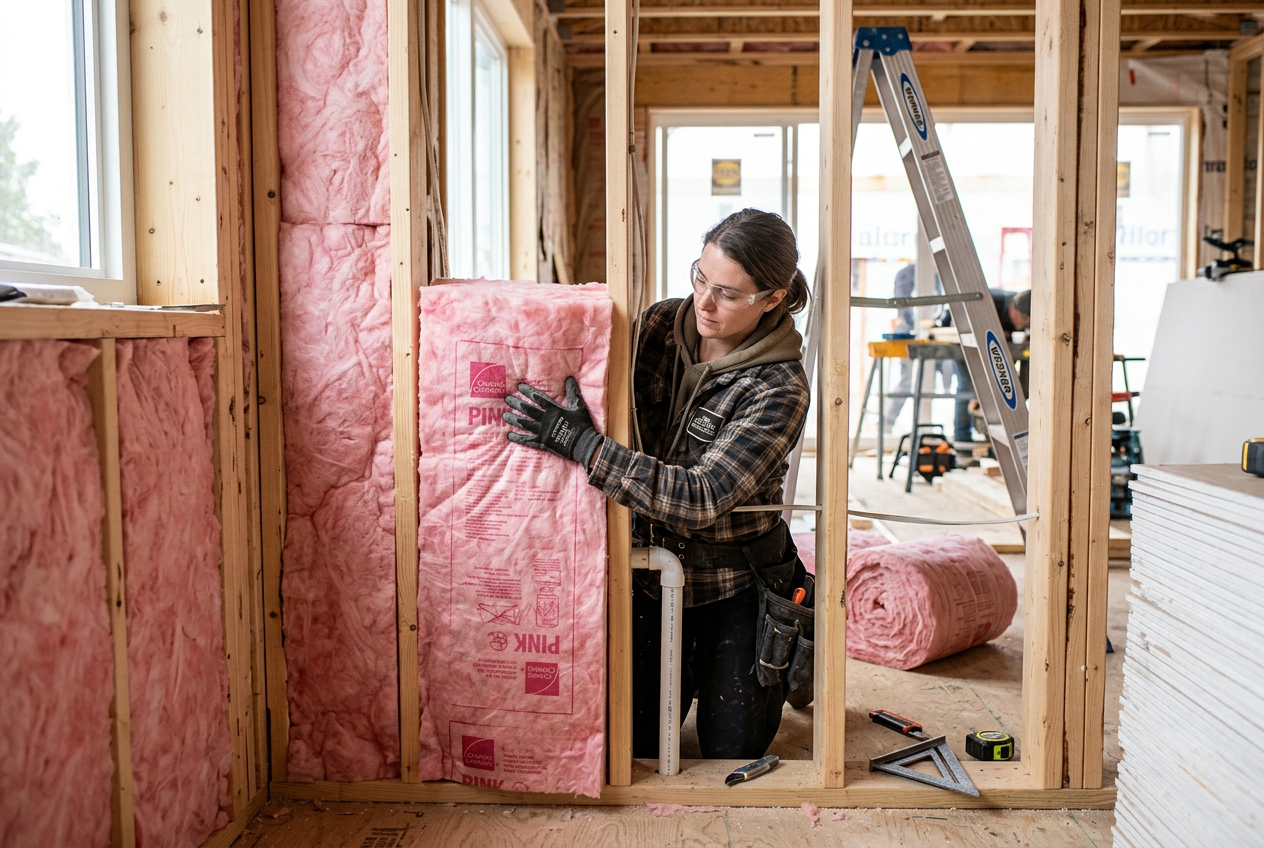
Insulation must meet the requirements of the NZ Building Code and relevant standards. Installers will assess your home and recommend the appropriate product and R-value for your climate zone — homes in Southland or Central Otago, for instance, need higher R-values than those in Auckland.
Heating
- Approved heat pumps (the most common option)
- Wood pellet burners in some cases
- Flued gas heaters may be eligible in certain circumstances
Note that not all heating types or brands are automatically covered — the heating must be from EECA's approved product list. Your provider will advise on what qualifies.
How Much Will You Pay?
As a broad guide:
| Eligibility Tier | Typical Subsidy Level |
|---|---|
| Community Services Card holder | Up to 80% of insulation cost; up to 80% of heating cost |
| High-deprivation area (no CSC required) | Up to 90% of insulation cost; up to 80% of heating cost |
These figures are approximate and can change — always confirm the current subsidy rates with your approved provider or via Energywise. You will pay the remaining portion (your co-payment) directly to the installer.
Step-by-Step: How the Process Works
- Check eligibility — Use the online eligibility checker on the Energywise website, or call an approved provider.
- Get an assessment — An approved provider visits your home to assess what insulation or heating is needed. This is usually free.
- Receive a quote — The provider outlines the recommended work, the subsidy amount, and your co-payment.
- Approve the work — If you're happy, you sign off and the provider arranges installation.
- Installation — A qualified insulation installer (and, for heat pumps, a licensed refrigeration/electrical tradesperson) carries out the work.
- Subsidy is claimed by the provider — You only pay your co-payment. The provider claims the subsidy from EECA directly — you don't need to handle any government paperwork yourself.
What About Rental Properties?
Landlords are not eligible for Warmer Kiwi Homes subsidies. However, landlords do have separate obligations under the Healthy Homes standards to ensure rental properties meet minimum insulation and heating requirements. If you're a landlord, speak with a qualified insulation installer about your compliance obligations.
Important Things to Watch Out For
- Only use EECA-approved providers — work done by non-approved installers will not qualify for the subsidy.
- Be wary of door-to-door salespeople claiming to offer free insulation without a proper assessment — always verify the provider is approved.
- The scheme has limited funding and can close or change — check current availability before planning your upgrade.
- Building consent is generally not required for insulation installation under Schedule 1 exemptions, but always confirm with your local council if you're unsure.
When to Call a Professional
Insulation installation itself is not legally restricted work in New Zealand, but it does require skill to do correctly — poorly installed insulation can leave gaps, compress batts, or create moisture problems. Always use a reputable, experienced installer. For heat pump installation, the electrical and refrigerant work must be carried out by a licensed tradesperson registered with the Electrical Workers Registration Board. You can find qualified local insulation installers and heat pump technicians on tradedirectory.co.nz.