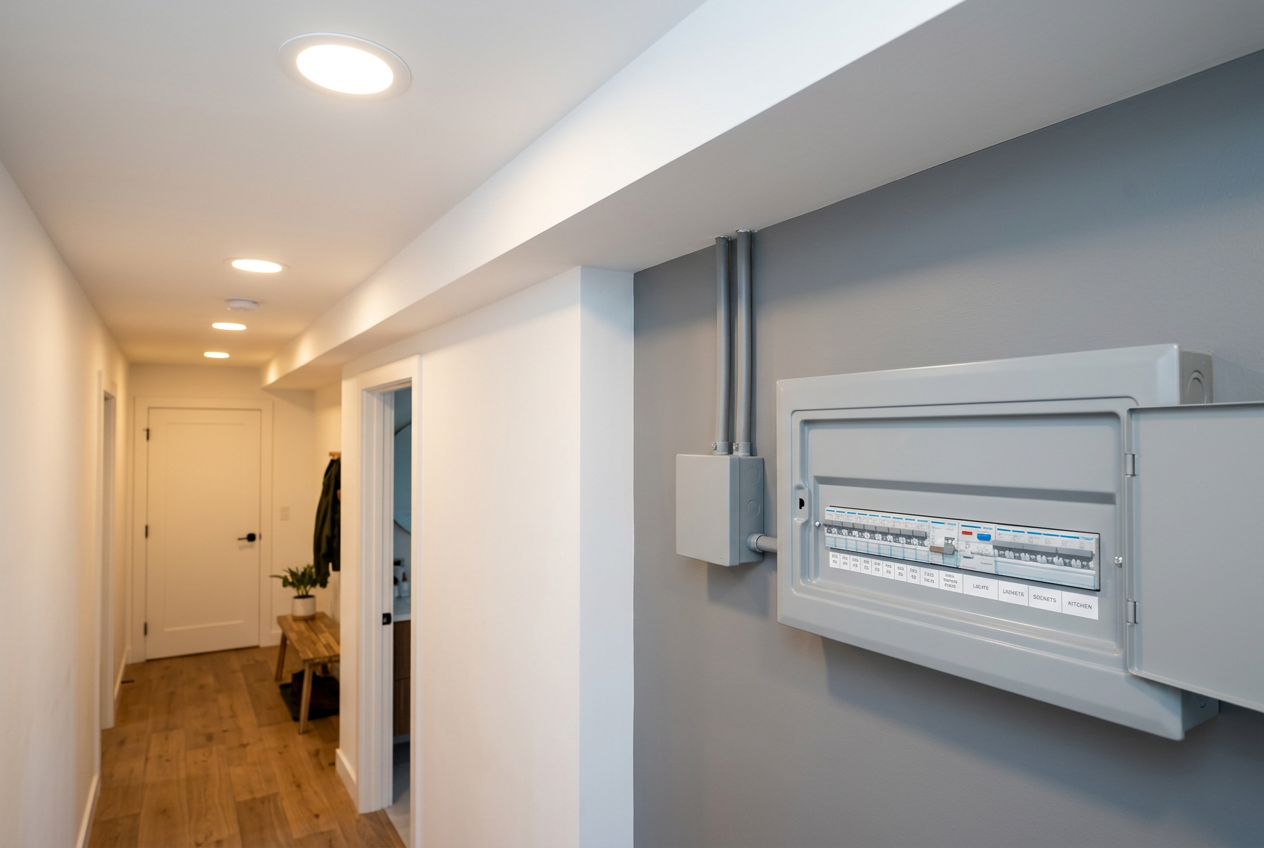
Hiring an electrician in New Zealand? You have every right — and good reason — to check their credentials before work begins. All electricians in NZ must be registered and hold a current practising licence issued by the Electrical Workers Registration Board (EWRB). Doing a quick check takes only a few minutes and could save you from unsafe work, insurance headaches, or costly compliance issues down the track.
Why Licensing Matters
Electrical work in New Zealand is restricted work under the Electricity Act 1992. This means only registered and licensed electrical workers can legally carry out, inspect, or certify electrical installations. Unlicensed electrical work is not only illegal — it's genuinely dangerous, and it can void your home insurance or create problems when you sell your property.
The Electrical Workers Registration Board (EWRB) is the government body responsible for registering and licensing electricians in NZ. They maintain a public register you can search at any time.
How to Search the EWRB Public Register
The easiest way to verify an electrician is to use the EWRB's online public register:
- Visit www.ewrb.govt.nz
- Click on "Find a worker" or navigate to the public register search
- Enter the electrician's name, registration number, or company name
- Review the results to confirm their registration class and licence status
The register will show you whether their licence is current, suspended, or cancelled — so always check before work starts, not after.
Understanding Registration Classes and Licence Types
Not all electricians are qualified to do every type of work. The EWRB uses different registration classes that define what an electrician is authorised to do:
| Registration Class | Typical Scope |
|---|---|
| Registered Electrician (RE) | General electrical installation work |
| Electrical Inspector | Inspecting and certifying electrical work |
| Electrical Service Technician | Appliance servicing and repair |
| Trainee/Apprentice | Supervised work only — cannot work unsupervised |
For most household electrical work — wiring, switchboard upgrades, new circuits — you want a Registered Electrician with a current practising licence. Registration alone isn't enough; they must also hold a valid annual licence to legally carry out work.
What to Ask Before Hiring
Beyond the EWRB register, here are a few practical steps to take:
- Ask for their registration number — any legitimate electrician will provide this without hesitation
- Request a Certificate of Compliance (CoC) — this must be issued for all regulated electrical work once it's completed
- Check they carry public liability insurance — this protects you if something goes wrong
- Ask if they're a member of a trade association such as the Electrical Contractors Association of New Zealand (ECANZ), which has its own standards for member businesses
- Get at least two or three quotes in writing before committing
What Homeowners Can and Cannot Do
Under NZ law, homeowners are permitted to do a very limited range of minor electrical tasks themselves — such as replacing a light fitting like-for-like or changing a socket cover — but confirm the exact permitted tasks with the EWRB, as the rules are specific — but the rules are specific and easy to misread. When in doubt, don't attempt it yourself.
The following are examples of restricted electrical work that must only be done by a licensed electrician:
- Installing or altering wiring, circuits, or switchboards
- Connecting any fixed appliance (oven, hot water cylinder, heat pump)
- Any work on the main switchboard or consumer mains
- Installing new power points or light fittings that require new wiring
For a full breakdown of what's restricted, refer to MBIE Building Performance or check directly with the EWRB.
Building Consent and Electrical Work
Some electrical work may also require a building consent depending on the scope of the project. For example, a new home, major renovation, or sleep-out may trigger consent requirements that include electrical inspections. Your local council can advise whether consent is needed. Your electrician should also be familiar with these requirements — it's worth asking them directly.
For guidance on the NZ Building Code and when consents apply, MBIE Building Performance is the authoritative source.
Safety First
Never allow unlicensed electrical work in your home. Faulty wiring is one of the leading causes of house fires in New Zealand. Even if work looks tidy on the surface, incorrect wiring can create hidden hazards that may not show up for months or years. WorkSafe NZ has resources on electrical safety in the home if you'd like to learn more.
When to Call a Professional
If you're unsure whether a job requires a licensed electrician — call one anyway. Any work involving your switchboard, wiring, fixed appliances, or new circuits must be done by a Registered Electrician with a current EWRB licence. Always ask for a Certificate of Compliance once the job is finished; this is your legal proof that the work meets NZ standards.
You can find qualified, licensed electricians in your area right here on tradedirectory.co.nz.

 Site Safe
 Licensed Electrical Inspector







