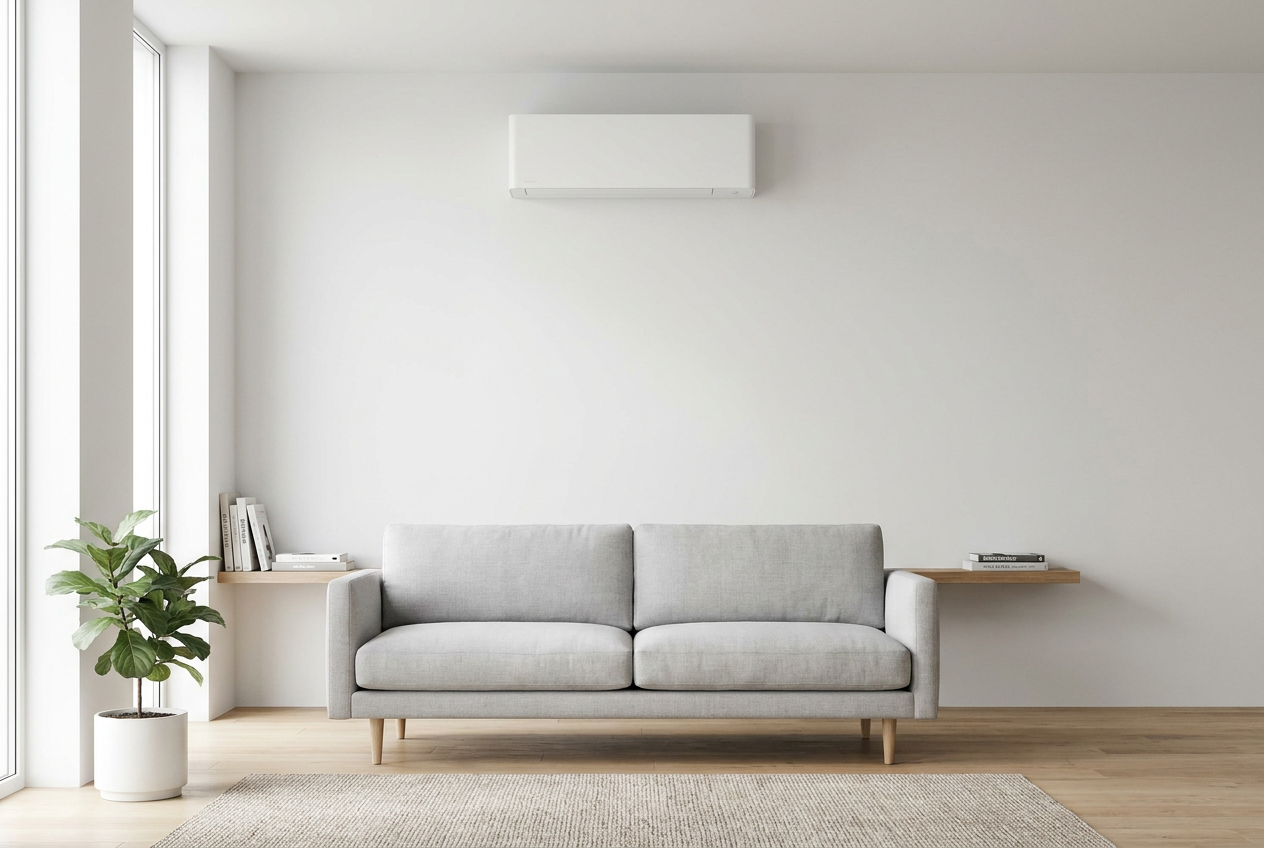
Heat pump installation in New Zealand isn't a single-licence job — it typically involves restricted electrical work and, depending on the system, refrigerant handling that requires specific authorisation. Knowing which registrations to look for protects you legally, ensures your warranty stays valid, and keeps your home safe.
Why Registration Matters
Under New Zealand law, certain parts of a heat pump installation are restricted work that only licensed professionals may carry out. If unlicensed work is done, your insurance may be void, your building consent (if required) won't be signed off, and you could face safety risks. Always verify credentials before work begins — not after.
The Two Key Licences to Check
1. Electrical Workers Registration Board (EWRB)
Connecting a heat pump to your home's electrical supply is restricted electrical work. The installer (or their supervising electrician) must be registered with the Electrical Workers Registration Board (EWRB). You can search the public register on the EWRB website by the person's name or licence number to confirm:
- Their licence class (e.g. Registered Electrician, Electrical Inspector)
- Whether their licence is current and active
- Any conditions or suspensions on their licence
Always ask the installer for their EWRB registration number and check it yourself on the register.
2. Refrigerant Handling — EPA Authorisation
Most heat pumps use refrigerants (such as R-32 or R-410A) that are controlled substances under applicable NZ legislation. Technicians who handle, recover, or recharge refrigerant must hold the appropriate refrigerant handling authorisation — check with the EPA or your installer for the current regulatory framework. Technicians who handle, recover, or recharge refrigerant must hold an EPA refrigerant handling authorisation. Ask your installer to show you their EPA authorisation certificate, or ask which certified technician on their team will handle the refrigerant.
Note: Some installers are qualified in both areas; others work as a team where an electrician handles the wiring and a refrigeration technician handles the refrigerant circuit. Both roles must be covered.
How to Verify — Step by Step
- Ask the installer directly for their EWRB registration number and EPA refrigerant authorisation details before signing any contract.
- Search the EWRB public register at ewrb.govt.nz to confirm the electrical licence is current.
- Ask for a Certificate of Compliance (CoC) — after completing restricted electrical work, a licensed electrician is legally required to issue you a CoC. If an installer won't commit to providing one, walk away.
- Check if a building consent is needed — most standard residential heat pump installations are exempt under Schedule 1 of the Building Act, but always confirm with your local council, as some situations (e.g. ducted systems, commercial premises, or work affecting the building envelope) may require consent.
- Verify business credentials — check the company is a legitimate NZ business (NZBN search) and look for membership of industry bodies such as the Heat Pump Association of New Zealand (HPANZ) or the Refrigeration and Air Conditioning Technicians Association (RACCA NZ), which require members to meet professional standards.
What a Homeowner Can and Cannot Do
| Task | Homeowner allowed? |
|---|---|
| Choosing the heat pump location | Yes |
| Painting or decorating around the unit | Yes |
| Cleaning filters | Yes |
| Connecting to the electrical supply | No — restricted electrical work |
| Handling or recharging refrigerant | No — EPA authorisation required |
| Drilling through exterior walls (weathertight) | Check with council |
As a homeowner, you must not carry out restricted electrical work yourself. This is clearly set out under the Electricity Act 1992 and enforced by the EWRB.
Safety Note
Improper electrical connections are a leading cause of house fires in New Zealand. Refrigerant leaks can also pose health and environmental risks. Never allow unlicensed work on your heat pump, no matter how small the job seems. If you're unsure, contact WorkSafe NZ or the EWRB for guidance.
NZ Building Code Considerations
Heat pump installations must not compromise the weathertightness of your home. Penetrations through exterior walls must be properly sealed in accordance with NZ Building Code Clause E2 (External Moisture). A reputable installer will know this and seal all pipe penetrations correctly. For more on building compliance, visit MBIE Building Performance.
Healthy Homes Standards
If you're a landlord, heat pumps are often used to meet the Healthy Homes heating standard. The installation must still meet all the above requirements. Check the Tenancy Services Healthy Homes pages for the heating capacity requirements that apply to your rental property.
When to Call a Professional
Always use a qualified, registered installer for heat pump work. This isn't optional — it's the law for the electrical and refrigerant components. A good installer will:
- Show you their EWRB registration and EPA authorisation without hesitation
- Provide a Certificate of Compliance for the electrical work
- Advise you on whether a building consent is needed
- Seal all wall penetrations to weathertight standards
You can find qualified, local heat pump installers on tradedirectory.co.nz — look for businesses that clearly list their licences and registrations.



 ISO 9001






