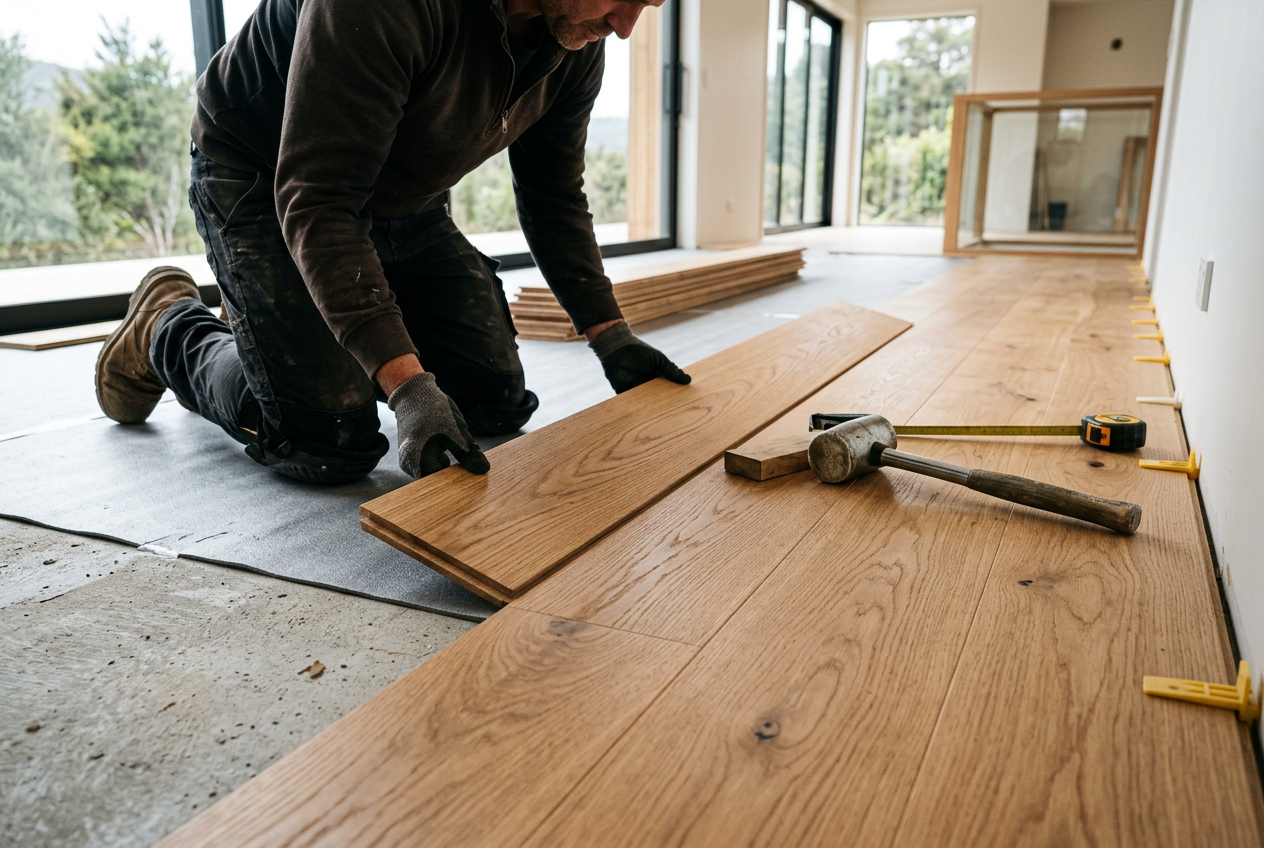
Loose, rippled carpet is not just an eyesore — it can be a genuine trip hazard, especially for children and older family members. The good news is that re-stretching carpet is a manageable DIY job if you have the right tools and a bit of patience, though for large areas or tricky rooms, a professional flooring installer will get the best result.
Why Does Carpet Go Loose and Ripple?
Understanding the cause helps you fix it properly and prevent it from happening again. Common reasons include:
- Improper installation — carpet that was not stretched tightly enough when first laid
- Humidity and temperature changes — NZ's variable climate, particularly in coastal or high-humidity areas, causes carpet fibres and backing to expand and contract
- Heavy furniture being dragged across the carpet rather than lifted
- Delamination — the bond between the carpet backing and the pile breaks down over time
- Worn or failed gripper rods (also called tack strips) around the room's perimeter
If your carpet is delaminating (the backing is separating from the pile), re-stretching alone won't fix it — the carpet will likely need replacing.
Tools You Will Need
The key tool for this job is a knee kicker and, for larger rooms, a power stretcher. A knee kicker alone is not sufficient for rooms wider than about 3–4 metres — using only a knee kicker on a large room is actually one of the most common causes of rippling in the first place.
| Tool | Purpose | Hire or Buy? |
|---|---|---|
| Knee kicker | Short stretches, edges, small rooms | Hire recommended |
| Power stretcher | Larger rooms, main stretching force | Hire strongly recommended |
| Carpet tucker / bolster chisel | Tucking edges under skirting | Buy |
| Flat pry bar | Lifting gripper rods if needed | Buy |
| Utility knife | Trimming excess carpet | Buy |
| Hammer | Tapping carpet onto gripper rods | Buy |
You can hire a knee kicker and power stretcher from most tool hire shops around NZ. Check Mitre 10 or Bunnings for tool hire availability in your area.
Step-by-Step: How to Re-Stretch Your Carpet
1. Clear the Room
Remove all furniture. Trying to stretch carpet around furniture will give a poor result.
2. Check the Gripper Rods
Along the perimeter of the room, you'll find gripper rods — narrow strips of wood with angled tacks that hold the carpet edge. Check that they are firmly fixed to the floor and that the tacks are still sharp. Replace any that are damaged or loose. Gripper rods are available at PlaceMakers and most flooring suppliers.
3. Release the Carpet Edge
Using a flat pry bar or your fingers, carefully pull the carpet edge free from the gripper rods along the wall opposite to where you'll start stretching. Work along one full wall.
4. Stretch with the Power Stretcher
Position the power stretcher so its tail end is braced against the wall behind you (use a padded block to protect the skirting). Extend the head across the room toward the free edge. Engage the stretcher to push the carpet forward — aim for about 1–2% stretch. Work in sections across the width of the room.
5. Use the Knee Kicker for Edges
Use the knee kicker to work the carpet onto the gripper rods along the edges and into corners. Place the head about 50 mm from the wall, engage the teeth into the carpet, and give a firm kick with your knee.
6. Trim and Tuck
Once the carpet is hooked onto the gripper rods, use a carpet tucker or bolster chisel and hammer to tuck the excess carpet neatly under the skirting board. Trim any excess with a sharp utility knife.
7. Repeat as Needed
Work systematically across the room, releasing and re-stretching in sections until all ripples are gone.
Safety Note
Loose carpet is a trip hazard — WorkSafe NZ recognises slips, trips and falls as a leading cause of injury in the home. Address ripples promptly, especially in high-traffic areas or homes with elderly residents. If the carpet cannot be safely secured, restrict access to the area until it is fixed.
Tips for a Better Result
- Acclimatise the carpet — if the room has been very cold or damp, warm it up before stretching so the carpet is more pliable
- Always stretch toward an outside wall where possible
- Do not over-stretch — too much tension can distort the pile pattern or damage the backing
- Check BRANZ for guidance on flooring installation best practice in NZ conditions
When to Call a Professional
Consider hiring a qualified flooring installer if:
- The room is large or has an irregular shape
- The rippling keeps returning after re-stretching
- The carpet backing is delaminating or damaged
- The gripper rods are embedded in a concrete slab and need specialist fixing
- You are not confident using a power stretcher
A professional installer has the experience and commercial-grade equipment to get a lasting result. You can find qualified local flooring installers on tradedirectory.co.nz.
Note: carpet installation does not require a building consent under the NZ Building Code in most circumstances, but if you are unsure about any structural or moisture-related issues beneath the floor, check with your local council or a Licensed Building Practitioner.










