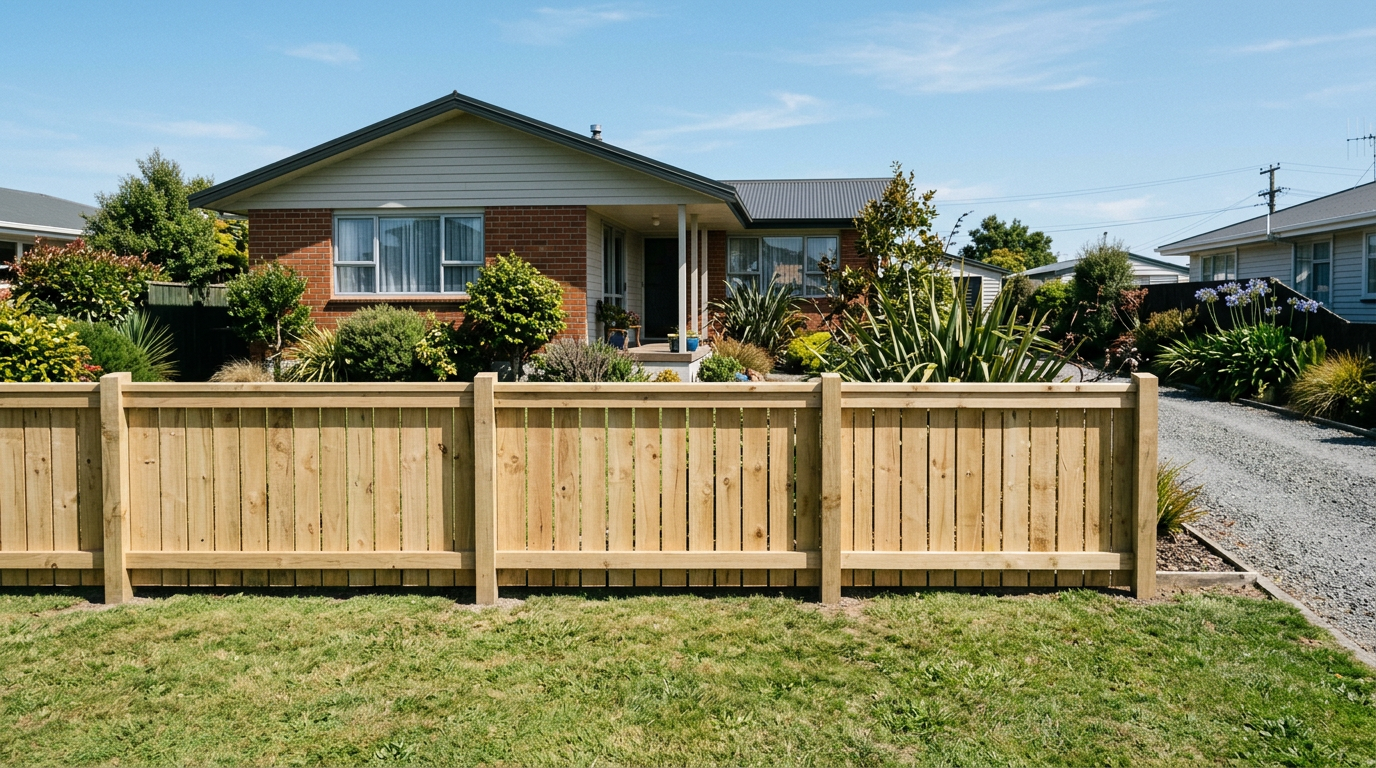
Timber fences in New Zealand go grey faster than many homeowners expect — and that's largely down to our intense UV radiation, which is among the strongest in the world. The good news is that with the right preparation and a quality timber coating, you can keep your fence looking warm and natural for years. Here's what you need to know.
Why Does Timber Turn Grey?
The greying process is called photodegradation. UV rays break down lignin, the natural binder that holds wood fibres together and gives timber its colour. Rain and moisture then wash away the degraded lignin, leaving behind the pale grey cellulose fibres on the surface. Wind-blown grit and mould growth add to the weathered look. In NZ, this process can begin within just a few months on an unprotected fence.
Step 1 — Clean and Prepare the Timber
Before applying any product, the surface must be clean and sound:
- Remove dirt and mould with a timber cleaner or a diluted solution of oxalic acid-based deck wash (available at Bunnings or Mitre 10). Follow the product directions carefully.
- Scrub with a stiff brush, working along the grain.
- Rinse thoroughly and allow the timber to dry completely — at least 48 hours in fine weather.
- Sand lightly if the surface is rough or raised-grain. Always sand along the grain, not across it.
- If your fence is already grey, a dedicated timber brightener (often oxalic acid-based) can restore some of the natural colour before you coat it.
Step 2 — Choose the Right Coating
This is the most important decision. There are three main product types:
| Product Type | How It Works | Recoat Frequency |
|---|---|---|
| Penetrating oil/stain | Soaks into the wood; won't peel | Every 1–2 years |
| Semi-transparent stain | Partial pigment; some UV block | Every 2–3 years |
| Solid colour stain/paint | Full pigment; maximum UV block | Every 3–5 years |
Penetrating oils and semi-transparent stains are popular for fences because they enhance the natural grain and are easy to maintain — you simply clean and recoat without stripping. Look for products with UV absorbers and water repellents on the label.
Resene offers a range of timber stains and oils specifically formulated for NZ conditions. Dulux and Wattyl also have exterior timber coating ranges worth comparing. Ask in-store for a product suited to your specific timber species — pine, macrocarpa, and hardwoods can behave quite differently.
Step 3 — Apply the Coating Correctly
- Apply on a dry, overcast day — direct sun causes the product to dry too fast and can leave lap marks.
- Use a brush or roller rather than a sprayer for better penetration into rough-sawn timber.
- Apply two coats for new or freshly sanded timber, following the manufacturer's recoat window.
- Pay extra attention to end grain (post tops, cut ends), as this is where moisture enters most readily. A generous application here will significantly extend the life of your fence posts.
- Stir the product regularly during application to keep pigments evenly distributed.
Step 4 — Maintain Regularly
The biggest mistake homeowners make is waiting until the fence is badly weathered before acting. A simple maintenance schedule saves money and effort:
- Inspect annually — ideally in late summer or autumn.
- Clean with a mild timber wash each year.
- Recoat as soon as water stops beading on the surface — don't wait for greying to return.
- Trim back any plants or shrubs touching the fence, as trapped moisture accelerates decay and greying.
Timber Species Matters
Some timbers are naturally more resistant to greying and decay than others. Macrocarpa, kwila (merbau), and treated pine (H3.2 or H4 for in-ground contact) are common NZ fence choices. Check that any timber you buy meets the treatment requirements of MBIE Building Performance guidelines for exterior use. Untreated or under-treated pine will grey and rot much faster regardless of what coating you apply.
When to Call a Professional
Fencing is generally not restricted building work under the NZ Building Code, and most homeowners can maintain or replace a standard boundary fence themselves. However, consider calling a qualified fencer if:
- Your fence is leaning, rotting at the base, or structurally unsound — coating a failing fence is a waste of money.
- You're unsure about boundary rules or the Fencing Act 1978, especially if a neighbour dispute is involved.
- The fence is large, on a steep site, or involves retaining elements that may require a building consent (check with your local council — requirements vary).
A professional fencer can also advise on the best timber and coating combination for your specific site and climate zone. You can find qualified local fencers on tradedirectory.co.nz.





