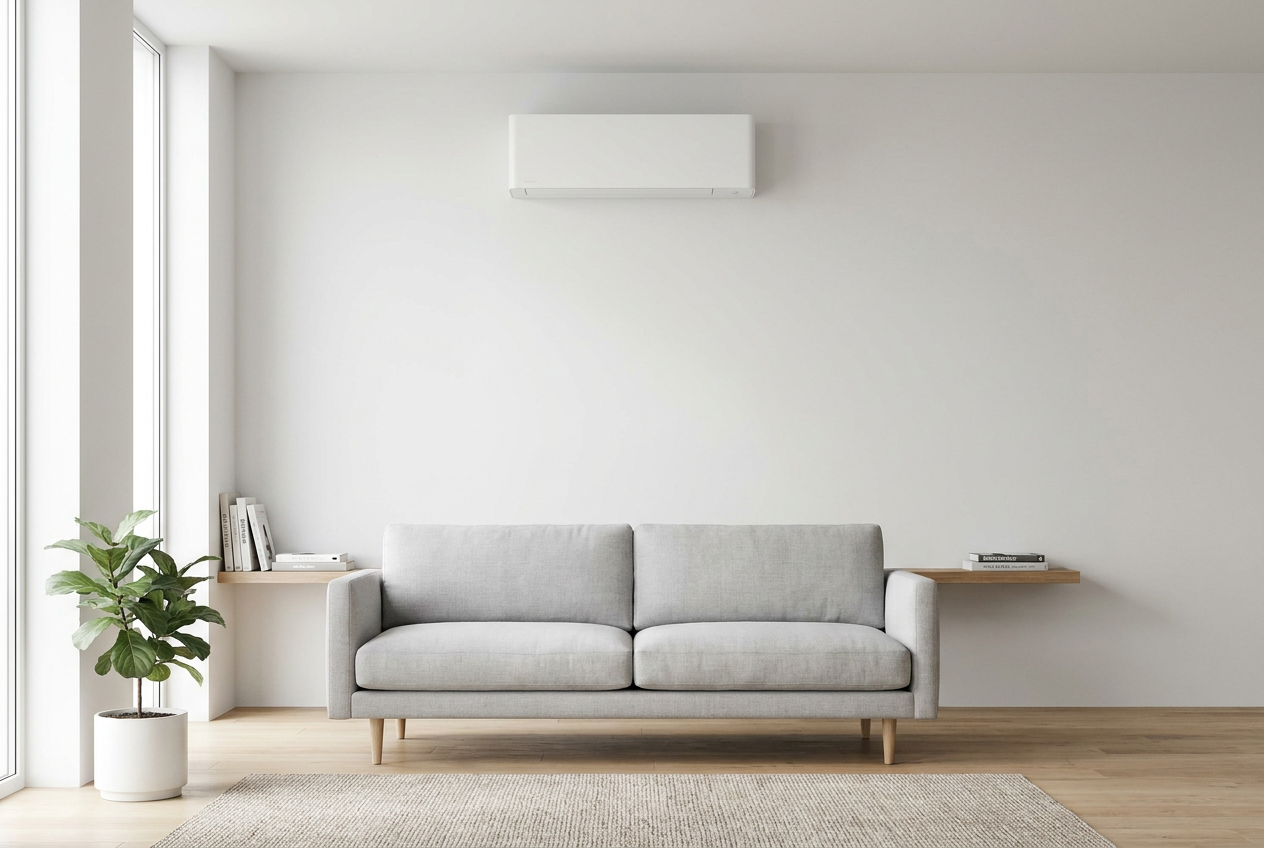
A rattling heat pump is one of the most common complaints from NZ homeowners, and the good news is that many causes are straightforward to identify and fix yourself. That said, some rattles point to mechanical or refrigerant issues that need a licensed professional — so it pays to know the difference before you start pulling things apart.
Start With the Basics: Where Is the Rattle Coming From?
Before doing anything else, try to pinpoint whether the noise is coming from the indoor unit (head unit), the outdoor unit (compressor/condenser), or the pipework and wall penetrations in between. Listen carefully when the unit first starts up, during steady operation, and when it shuts down — the timing can give you useful clues.
Common Causes and DIY Fixes
1. Dirty or Blocked Air Filter
A clogged filter restricts airflow and can cause the fan to vibrate unevenly, creating a rattling or humming sound. Most NZ heat pump manufacturers recommend cleaning filters every four to six weeks during heavy use.
- Turn the unit off at the wall.
- Open the front panel of the indoor unit and slide out the filter(s).
- Rinse under warm water, allow to dry fully, and refit.
- Check your owner's manual for the correct procedure for your brand.
2. Loose Front Panel or Casing
Plastic panels can work loose over time, especially with the vibration of daily use. Gently press around the edges of the indoor unit's front cover while the unit is running (carefully, keeping fingers away from vents) to see if the rattle stops. If so, the clips or screws holding the panel may need tightening or replacing — a simple fix with a screwdriver.
3. Debris Inside the Outdoor Unit
Leaves, twigs, seed pods, and even small stones can get drawn into the outdoor unit and rattle around inside the casing or against the fan blades.
- Turn the unit off at the isolator switch before doing anything.
- Remove the top grille if it lifts off easily (check your manual).
- Clear out any visible debris by hand or with a soft brush.
- Never poke anything through the grille while the unit is running.
NZ's windy conditions and autumn leaf falls make this a particularly common issue here.
4. Vibrating Pipework or Wall Penetrations
The refrigerant pipes running between your indoor and outdoor units pass through the wall in a sleeve or conduit. If this sleeve has worked loose, or if the pipes aren't properly clipped, they can vibrate against the wall or casing and create a rattling or tapping noise. Check that any visible pipe clips are secure and that the wall penetration is sealed and supported. Foam pipe lagging that has deteriorated can also allow pipes to knock together.
5. Loose Outdoor Unit Mounting
The outdoor unit sits on a wall bracket or concrete pad. Over time, bracket bolts can loosen, or a concrete pad can settle unevenly, causing the unit to vibrate more than normal. Check that all visible mounting bolts are tight. If the unit is on a wall bracket, inspect the bracket for any signs of rust or movement.
6. Vibration Isolation Pads
If your outdoor unit sits directly on a hard surface without anti-vibration pads, normal compressor vibration can be amplified and transmitted as a rattle or hum. Rubber isolation pads are inexpensive and available from heat pump suppliers and some hardware stores — fitting them under the unit's feet can make a noticeable difference.
Rattles That Signal a Bigger Problem
Some rattling noises are a warning sign of a more serious issue:
| Noise Type | Possible Cause | Action |
|---|---|---|
| Loud rattling on start-up that fades | Loose internal fan or motor mount | Call a technician |
| Rattling with reduced heating/cooling | Refrigerant issue or compressor fault | Call a technician |
| Grinding or metal-on-metal sound | Fan blade hitting casing or debris | Turn off immediately, call a technician |
| Rattling from inside the wall | Pipe movement or structural issue | Investigate carefully, may need a builder |
If you notice the rattle is accompanied by reduced performance, unusual smells, ice forming on the unit, or error codes on the display, stop using the unit and contact a professional.
Healthy Homes and Maintenance
If you're a landlord, keeping your heat pump in good working order isn't just good practice — it's a legal requirement under the Healthy Homes Standards. A rattling, poorly maintained heat pump may not meet heating requirements, so prompt attention matters.
When to Call a Professional
Always call a licensed heat pump technician if:
- The rattle is coming from inside the compressor or motor.
- You suspect a refrigerant leak (hissing sound, ice on pipes, poor performance).
- A fan blade appears damaged or is striking the casing.
- The unit is showing fault codes.
- You're not confident working around electrical appliances.
Refrigerant handling is restricted work in NZ and must only be carried out by a certified refrigeration technician — attempting it yourself is illegal and dangerous. For electrical faults, work must be done by a registered electrician under the Electrical Workers Registration Board (EWRB) rules.
You can find qualified local heat pump installers and technicians on tradedirectory.co.nz.



 ISO 9001






