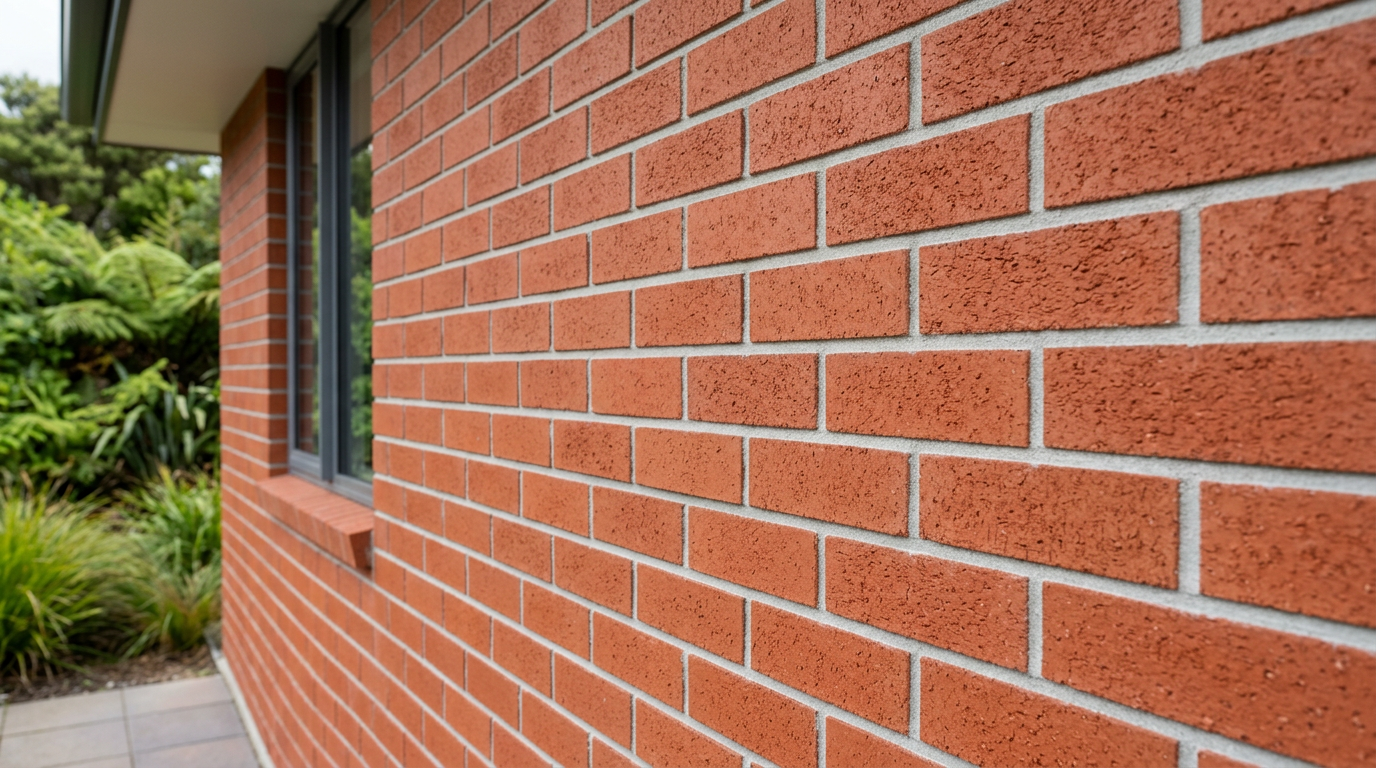
Efflorescence — that white, powdery or crusty deposit on brickwork — will keep coming back after cleaning unless you deal with the underlying moisture problem. The salts causing it aren't coming from nowhere; they're dissolved in water that's moving through your masonry and depositing on the surface as it evaporates. Fix the moisture pathway, and you fix the problem.
What Causes Efflorescence in the First Place?
Efflorescence occurs when water-soluble salts naturally present in bricks, mortar, or the surrounding soil are carried to the surface by moisture movement. In New Zealand's variable climate — from the wet West Coast to Auckland's humid summers and the South Island's freeze-thaw winters — brickwork is constantly exposed to moisture stress. Common sources include:
- Rising damp from ground contact or inadequate damp-proof courses (DPC)
- Penetrating rain through cracked mortar joints, damaged cappings, or poor flashings
- Condensation on cold masonry surfaces
- Irrigation or garden watering splashing against walls
- Blocked or missing weep holes in cavity walls trapping moisture
Until you identify and address the moisture source, no sealer or treatment will give you a lasting result.
Step 1 — Find and Fix the Moisture Source
Before reaching for a sealer, do a thorough inspection:
- Check mortar joints for cracks, crumbling, or gaps. Repoint any damaged joints using a mortar mix appropriate for your brick type (ask your supplier or check with BRANZ for guidance on mortar compatibility).
- Inspect flashings and cappings above windows, doors, and at the top of walls. Failed flashings are a very common culprit in NZ.
- Look at gutters and downpipes — overflows or leaks can saturate adjacent brickwork.
- Check weep holes in cavity walls aren't blocked with mortar or debris.
- Assess ground levels — soil or garden beds built up against the wall can bridge the DPC and allow rising damp.
- Review irrigation systems so sprinklers aren't hitting the wall directly.
For rising damp or suspected DPC failure, you'll likely need a professional assessment. This is not a DIY fix.
Step 2 — Allow the Wall to Dry Thoroughly
After cleaning and making repairs, the brickwork must dry out completely before you apply any sealer or treatment. Depending on the season and how saturated the wall is, this can take several weeks. Sealing damp masonry traps moisture inside and can make the problem significantly worse, potentially causing spalling (brick faces popping off) or further salt damage.
A simple test: tape a piece of plastic sheeting (around 300 mm × 300 mm) firmly to the wall and leave it for 24–48 hours. If moisture appears on the underside, the wall is still too wet to seal.
Step 3 — Choose the Right Sealer
Not all sealers are suitable for all brickwork. The main options are:
| Sealer Type | How It Works | Best For |
|---|---|---|
| Penetrating silane/siloxane | Soaks in, repels water without blocking vapour | Most exterior brick — allows wall to breathe |
| Film-forming acrylic | Creates surface film | Feature walls, low-moisture situations |
| Integral crystalline | Reacts with moisture to block capillaries | High-moisture or below-grade situations |
For most NZ exterior brickwork, a penetrating silane or siloxane-based water repellent is the preferred choice. It allows the wall to breathe (important for managing any residual moisture vapour) while significantly reducing water ingress. Film-forming sealers can trap moisture and are generally not recommended for walls with any ongoing damp risk.
Brands such as Sika offer masonry water repellents suitable for NZ conditions — always read the product data sheet and follow the manufacturer's application instructions carefully.
Step 4 — Apply the Sealer Correctly
- Clean the wall surface thoroughly and ensure it is fully dry.
- Apply on a dry day with no rain forecast for at least 24–48 hours.
- Use a low-pressure sprayer, roller, or brush as directed by the product.
- Apply in two coats if recommended, working from the bottom up to avoid streaking.
- Avoid applying in direct hot sun, which can cause the sealer to dry too quickly.
Step 5 — Ongoing Maintenance
Even with a good sealer, efflorescence can recur if maintenance lapses:
- Repoint mortar joints as they age and crack — typically every 20–30 years for well-built brickwork, sooner in exposed locations.
- Keep gutters and downpipes clear and in good repair.
- Inspect flashings annually, especially after winter.
- Reapply water repellent as per the manufacturer's recommended recoat interval (often every 5–10 years depending on exposure).
- Brush off any new efflorescence early with a dry stiff brush before it hardens — don't use water, as this can drive salts back into the wall.
When to Call a Professional
Some moisture problems are beyond straightforward DIY. You should engage a qualified bricklayer or mason if:
- Efflorescence is widespread or recurring rapidly after treatment
- You suspect DPC failure or rising damp
- Mortar joints need extensive repointing
- Bricks are spalling, cracking, or structurally compromised
- The wall is part of a consented structure — any significant repair or alteration may require a building consent under the NZ Building Code; always check with your local council
If the issue involves internal dampness affecting habitability, landlords should also be aware of obligations under the Healthy Homes Standards.
You can find qualified, local bricklayers and masonry specialists on tradedirectory.co.nz.


 Licensed Building Practitioner (LBP)





