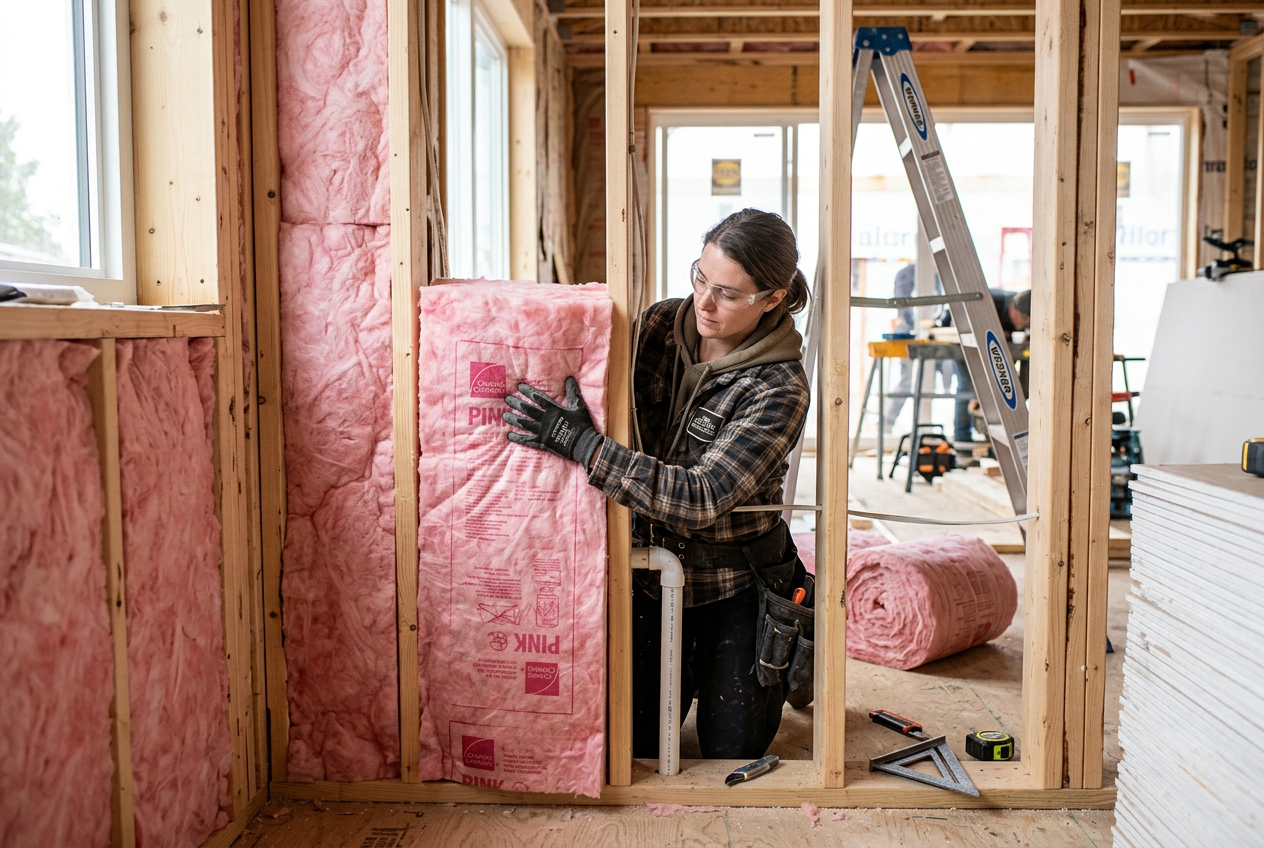
Installing ceiling insulation yourself can save money and improve your home's warmth and energy efficiency — but crawling around in a confined ceiling space comes with genuine risks. Done safely with the right preparation, it's a manageable DIY job for most homes. Done carelessly, it can result in serious injury or worse.
Understand the Hazards First
Before you lift a single batt, it pays to know what you're dealing with up there. Common hazards in NZ ceiling spaces include:
- Restricted movement and poor visibility — ceiling spaces are often less than 600 mm high, making it easy to lose your footing or become disoriented
- Electrical wiring — touching or damaging live wires is a serious electrocution risk
- Asbestos — homes built before the mid-1980s may contain asbestos in ceiling materials, insulation, or pipe lagging
- Fibreglass and mineral wool irritants — loose fibres cause skin, eye, and respiratory irritation
- Heat stress — ceiling spaces can reach extreme temperatures, especially in summer
- Structural weakness — ceiling joists are not designed to take your full body weight; plasterboard between joists will not support you
- Rodent droppings and mould — both pose health risks if disturbed
Check for Asbestos Before You Start
This is non-negotiable. If your home was built or renovated before 1990, there is a real chance asbestos-containing materials are present. Do not disturb any materials until you've had a qualified asbestos assessor inspect the space. Disturbing asbestos without proper controls is illegal and extremely dangerous. WorkSafe NZ has clear guidance on identifying and managing asbestos in the home.
Gear Up: Essential PPE
Never enter a ceiling space without the right personal protective equipment (PPE):
| Item | Why You Need It |
|---|---|
| P2-rated respirator mask | Filters fibreglass, dust, and mould spores |
| Safety goggles (sealed) | Protects eyes from fibres and debris |
| Disposable coveralls | Keeps fibres off your skin and clothing |
| Nitrile or rubber gloves | Prevents skin irritation from batts |
| Knee pads | Protects knees on rough timber |
| Head torch (plus spare) | Keeps both hands free |
| Dust mask (minimum P2) | Essential if no full respirator |
Never rely on a standard paper dust mask — it won't filter fine fibres adequately.
Plan Your Entry and Movement
- Tell someone you're going up there and agree on a check-in time. Never work alone in a confined space without someone knowing your whereabouts.
- Use a proper ladder to access the manhole — don't improvise.
- Move only on the joists, never between them. Place a piece of timber or a crawl board across multiple joists to spread your weight if you need to move laterally.
- Map the space before you start — note where wiring runs, any downlights, and the location of the manhole so you can always find your way back out.
- Work in short sessions — heat stress builds quickly. Take regular breaks, drink water, and don't push through if you feel dizzy or overheated.
Electrical Safety: Know the Rules
Ceiling spaces contain electrical wiring, and this is where DIYers must be especially careful. Do not move, cut, or connect any electrical wiring — this is restricted electrical work under NZ law and must only be carried out by a registered electrician. Check the Electrical Workers Registration Board (EWRB) for what's restricted and how to find a licensed sparky.
You may lay insulation batts around existing wiring, but:
- Never cover recessed (downlight) fixtures with insulation unless they are rated IC (Insulation Contact). Non-IC downlights require a minimum 75 mm clearance on all sides and the top — check the fixture's rating before proceeding.
- Keep insulation clear of any heat sources, including flues and exhaust fans.
Choosing and Handling Insulation
For ceiling spaces, glasswool or polyester batts are the most common DIY-friendly options available from stores like Bunnings or Mitre 10. Check the R-value requirements for your climate zone — Energywise has guidance on recommended R-values across NZ regions. The NZ Building Code sets minimum thermal performance standards, and MBIE Building Performance can help you understand what applies to your home.
- Cut batts to size on the ground before going up — use a straightedge and sharp knife
- Pass batts up through the manhole in manageable bundles
- Lay batts snugly between joists with no gaps — gaps significantly reduce performance
- Butt joins tightly; don't compress the batts as this reduces their R-value
Ventilation and Air Quality
Ceiling spaces can have very poor air circulation. If you're working for more than a few minutes, ensure the manhole is open and consider using a battery-powered fan to move fresh air in. If you feel lightheaded, get out immediately.
Building Consent: Do You Need One?
Installing bulk insulation in an existing ceiling is generally exempt from building consent under Schedule 1 of the Building Act, but always confirm with your local council before starting — rules can vary. You can find general guidance at MBIE Building Performance.
When to Call a Professional
Call a qualified insulation installer or relevant tradesperson if:
- You suspect asbestos is present — stop work immediately
- The ceiling space is less than 400 mm high or otherwise inaccessible
- There is existing damaged or wet insulation that needs removal
- You need electrical work done around downlights or wiring
- You're unsure about downlight ratings or fire safety clearances
- You have a health condition that makes confined space work risky
A qualified insulation installer will have the right equipment, training, and insurance to get the job done safely. You can find experienced local insulation professionals on tradedirectory.co.nz.