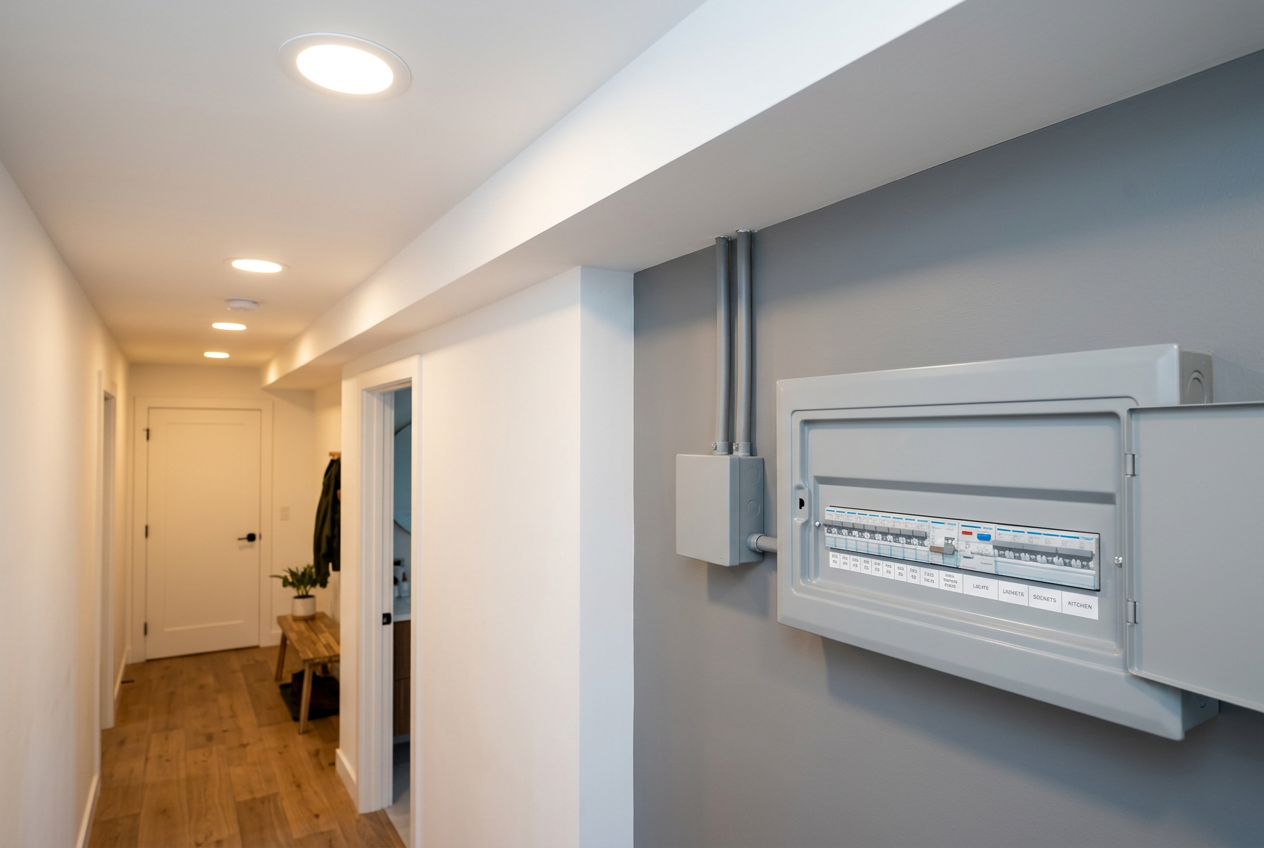
Replacing a hot water cylinder element might seem like a straightforward DIY job, but in New Zealand the electrical wiring component is restricted work — meaning it must be carried out by a registered electrician. Attempting to do it yourself is not only illegal, it can be genuinely dangerous and may void your home insurance. Here's a clear breakdown of what's involved, what you can and can't do, and how to get it done safely and legally.
Why This Is Restricted Electrical Work
Under the Electricity Act 1992 and the Electricity (Safety) Regulations 2010 (confirm current regulation title with EWRB or MBIE), any work on fixed electrical wiring — including the connections to a hot water cylinder element — is classified as restricted electrical work. This means it can only be performed by, or under the direct supervision of, a registered electrician who is authorised to issue a Certificate of Compliance (CoC).
The Electrical Workers Registration Board (EWRB) maintains the register of licensed electricians in New Zealand. Hiring an unregistered person for this work is illegal, and any insurance claim related to a fault could be declined if the work wasn't certified.
What the Job Actually Involves
A hot water cylinder element is a resistive heating element submerged in the water tank. Over time, elements can burn out or fail, especially in areas with hard or mineral-rich water. Replacing one involves two distinct parts:
1. The Plumbing Side
Draining down the cylinder, removing the old element, fitting the new one, and refilling the system. In many cases, a competent homeowner may be able to handle this plumbing portion — however, if any work involves the pressure-relief valve, tempering valve, or connections to the water supply, this may also require a registered plumber. Check with the Plumbers Gasfitters and Drainlayers Board (PGDB) if you're unsure what's restricted on the plumbing side.
2. The Electrical Side
Disconnecting the element from the wiring, connecting the new element, and testing the circuit. This is restricted electrical work — full stop. A homeowner cannot legally perform this step, regardless of their skill level.
What Happens If You Do It Yourself?
Doing your own restricted electrical work carries serious risks:
- Legal penalties under the Electricity (Safety) Regulations
- Insurance may be voided — your home and contents insurer can decline claims if uninspected electrical work caused a fault or fire
- No Certificate of Compliance — this can cause problems when you sell your home
- Electrocution risk — hot water cylinders operate on a dedicated 230V circuit, and water and electricity are a deadly combination
WorkSafe NZ provides guidance on electrical safety hazards in the home. Don't underestimate the risk.
What a Registered Electrician Will Do
When you hire a registered electrician for this job, here's the typical process:
| Step | What Happens |
|---|---|
| Isolate the circuit | The electrician switches off and locks out the dedicated hot water circuit at the switchboard |
| Disconnect the element | Wiring terminals are safely disconnected from the old element |
| Element replacement | The element is swapped (often done alongside a plumber, or by a dual-licensed tradesperson) |
| Reconnect and test | New element is wired up, connections checked, circuit tested |
| Issue a CoC | A Certificate of Compliance is issued for the electrical work |
Many electricians work alongside plumbers regularly and can coordinate the full job for you. Some tradespeople hold both electrical and plumbing licences, which can simplify the process.
Choosing the Right Element
If you're sourcing the element yourself before the tradesperson arrives, make sure you get the correct replacement. Key things to match:
- Wattage (commonly 1.8 kW, 2.4 kW, or 3.6 kW in NZ residential cylinders)
- Thread size and type (elements are not universal)
- Voltage rating (230V for NZ)
- Brand compatibility — check your cylinder's data plate or manual
Common NZ cylinder brands include Rheem, Rinnai, and Vulcan. Always confirm the correct part with your supplier or the cylinder manufacturer before purchasing. Hardware stores like Bunnings and Mitre 10 stock a range of elements, but your electrician or plumber may also supply the part.
Healthy Homes and Building Code Considerations
If your hot water cylinder is in a rental property, be aware that the Healthy Homes Standards set requirements around hot water heating. The Tenancy Services website has up-to-date information for landlords. Any remedial work on the cylinder should be done promptly and certified.
For broader guidance on how hot water systems must perform under the NZ Building Code (particularly Clause G12 – Water Supplies), MBIE Building Performance is the authoritative source.
When to Call a Professional
For this job, calling a professional isn't just good advice — it's the law. You need a registered electrician for the wiring, and depending on the scope of work, a licensed plumber may also be required. A qualified tradesperson will:
- Complete the work safely and to code
- Issue the required Certificate of Compliance
- Ensure your warranty and insurance remain valid
You can find qualified, local electricians and plumbers on tradedirectory.co.nz — look for tradespeople with verified credentials and good reviews in your area.
Sources & Further Reading
- Electrical Workers Registration Board (EWRB) – Find a registered electrician
- Plumbers Gasfitters and Drainlayers Board (PGDB) – Restricted plumbing work
- WorkSafe NZ – Electrical safety
- MBIE Building Performance – NZ Building Code Clause G12
- Tenancy Services – Healthy Homes Standards
- BRANZ – Hot water systems guidance

 Site Safe
 Licensed Electrical Inspector







