Replacing a pull-cord switch on a bathroom fan might seem like a simple job, but in New Zealand it involves restricted electrical work that must be carried out by a licensed electrician in most cases. Understanding exactly where the legal line sits — and what safety risks are involved — will help you make the right call before you touch anything.
Why Bathroom Electrical Work Is Treated Differently
Bathrooms are classified as special locations under the New Zealand Electrical Code of Practice (AS/NZS 3000, commonly called the "Wiring Rules"). The combination of water, steam, and electricity creates a serious electrocution risk. Because of this, the rules around what a homeowner can do themselves are stricter than in a dry area of the house.
All electrical work in New Zealand is governed by the Electricity Act 1992 and the Electricity (Safety) Regulations 2010. WorkSafe NZ enforces these rules, and penalties for unlicensed electrical work can be significant — including fines and, more importantly, the risk of serious injury or death.
What Is Restricted Electrical Work?
Restricted electrical work (REW) is any work on fixed wiring or fittings that connects to the mains supply. In a bathroom, this includes:
- Replacing or reconnecting a pull-cord switch wired into the fixed wiring
- Any work inside the ceiling space on wiring connected to the fan
- Replacing the fan unit itself if it involves disconnecting and reconnecting wiring
Only a registered electrician (registered with the Electrical Workers Registration Board – EWRB) is legally allowed to carry out restricted electrical work. Once the job is done, they must issue you an Electrical Safety Certificate, which is your proof the work was done correctly and safely.
What a Homeowner Can Legally Do
As a homeowner, you are generally permitted to:
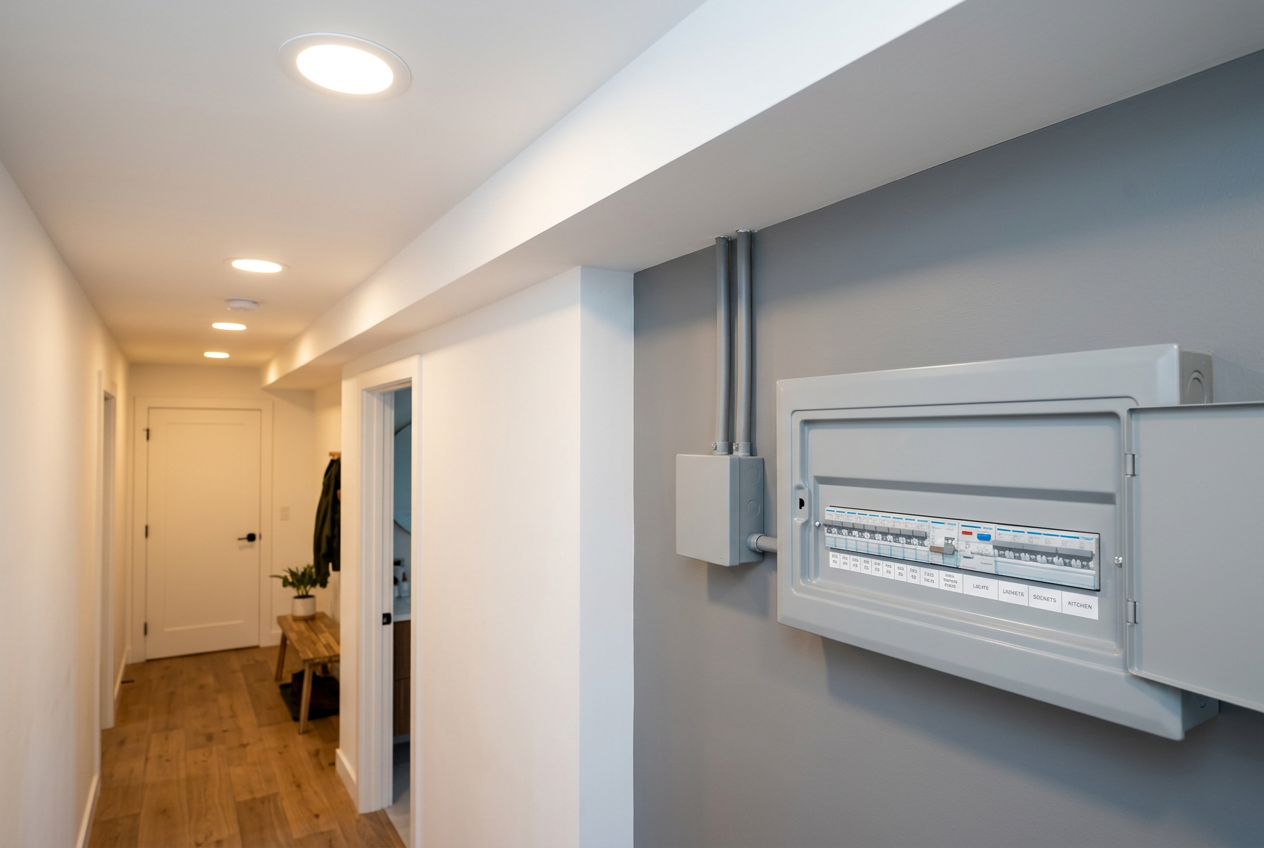
- Isolate the circuit at the switchboard (turn off the breaker) before a tradesperson arrives
- Replace a plug-in appliance that isn't hardwired (though bathroom fans are almost always hardwired)
- Clean or replace the fan cover/grille once power is isolated, if no wiring is involved
If your pull-cord switch is a self-contained unit that simply plugs into a socket outlet (rare, but possible in some older installations), replacing it may not be restricted work — but confirm this with a licensed electrician before proceeding.
Understanding the Pull-Cord Switch Itself
A bathroom fan pull-cord switch is typically a ceiling-mounted isolator switch with a cord hanging down. It controls the fan independently of the main light switch. These switches can fail over time — the cord mechanism wears out, internal contacts corrode from steam, or the switch simply stops latching.
Common signs your pull-cord switch needs replacing:
- The cord pulls but the fan doesn't start
- The switch won't stay in the "on" position
- You can hear a click but nothing happens
- The switch feels loose or rattles in its mounting box
The Replacement Process (What Your Electrician Will Do)
So you know what to expect when a tradesperson visits, here's a general overview of the process:
- Isolate the circuit at the switchboard and verify it's dead using a voltage tester
- Remove the old switch from its ceiling mounting box
- Identify and label the wiring — typically a switched live, neutral, and earth
- Disconnect the old switch and connect the new one, matching the wiring correctly
- Test the circuit before restoring power
- Issue an Electrical Safety Certificate
The switch itself is a standard component available at Bunnings or Mitre 10, but purchasing the part yourself and handing it to your electrician is perfectly fine — just confirm the specifications (amperage rating, IP rating for bathroom use) with them first.
Healthy Homes and Ventilation Compliance
If you're a landlord, it's worth noting that working bathroom ventilation is relevant to your obligations under the Healthy Homes Standards. A faulty fan switch that leaves tenants without ventilation could put you in breach of those requirements, so getting it fixed promptly matters.
Safety Reminders
⚠️ Never work on bathroom electrical fittings with the power on. Even with the local switch off, the wiring may still be live at the switch terminals. Always isolate at the switchboard and use a non-contact voltage tester to confirm the circuit is dead before touching anything.
- Water and electricity are a lethal combination — never take shortcuts in wet areas
- If you're unsure whether your installation is hardwired, assume it is and call a professional
- Do not use a standard light switch as a replacement — pull-cord switches for bathrooms must have an appropriate IP (Ingress Protection) rating for the zone they're installed in
When to Call a Professional
You should call a licensed electrician for this job in virtually every case. Replacing a hardwired pull-cord switch is restricted electrical work under NZ law, and doing it yourself is illegal and dangerous. A registered electrician will complete the job safely, issue the required Electrical Safety Certificate, and ensure the replacement switch meets the correct IP rating for bathroom use under AS/NZS 3000.
You can find qualified, local electricians on tradedirectory.co.nz — look for someone with current EWRB registration and experience in domestic bathroom work.

 Site Safe
 Licensed Electrical Inspector







