In New Zealand, the short answer is: most light socket (lampholder) replacement work is restricted electrical work that must be carried out by a licensed electrician. However, there are a few limited tasks a homeowner can legally do themselves. Understanding the difference could save you from a hefty fine — or worse, a serious injury.
What the Law Says About Electrical Work in NZ
Under the Electricity Act 1992 and its regulations, restricted electrical work (REW) must be performed by — or supervised by — a registered electrician. This includes any work that involves connecting or disconnecting wiring in your fixed electrical installation. Penalties for unlicensed REW can be significant, and unauthorised work can also void your home insurance.
The Electrical Workers Registration Board (EWRB) is the authority that licenses and regulates electricians in New Zealand. If you're unsure whether a task counts as restricted work, their website is the first place to check.
What a Homeowner Can Legally Do
As a homeowner (owner-occupier), you are permitted to carry out simple, low-risk tasks on your own property without being a licensed electrician. These include:
- Replacing a light bulb (including changing the bulb type, e.g. swapping to LED)
- Replacing a plug on a flexible cord (e.g. a lamp cord), provided it is a standard plug and the cord is not part of the fixed wiring
- Replacing a fuse in a fuse box with one of the same rating
Importantly, these exemptions apply to owner-occupiers only — landlords cannot carry out REW on rental properties themselves.
Why Replacing a Light Socket Is Usually Restricted Work
A light socket (or lampholder) that is wired into your ceiling or wall is part of your fixed electrical installation. Disconnecting the wiring, replacing the fitting, and reconnecting it counts as restricted electrical work — even if it looks straightforward. This applies to:
- Ceiling-mounted pendant lampholders
- Batten-fix lampholders screwed to the ceiling
- In-wall or in-ceiling downlight sockets
- Track lighting sockets connected to fixed wiring
The risk is real: incorrect wiring can cause electric shock, fire, or damage to appliances. New Zealand's WorkSafe NZ takes electrical safety seriously, and faulty DIY wiring is a known cause of house fires.
What You Can Safely Do Before the Electrician Arrives
While you wait for a professional, there are safe preparatory steps you can take:
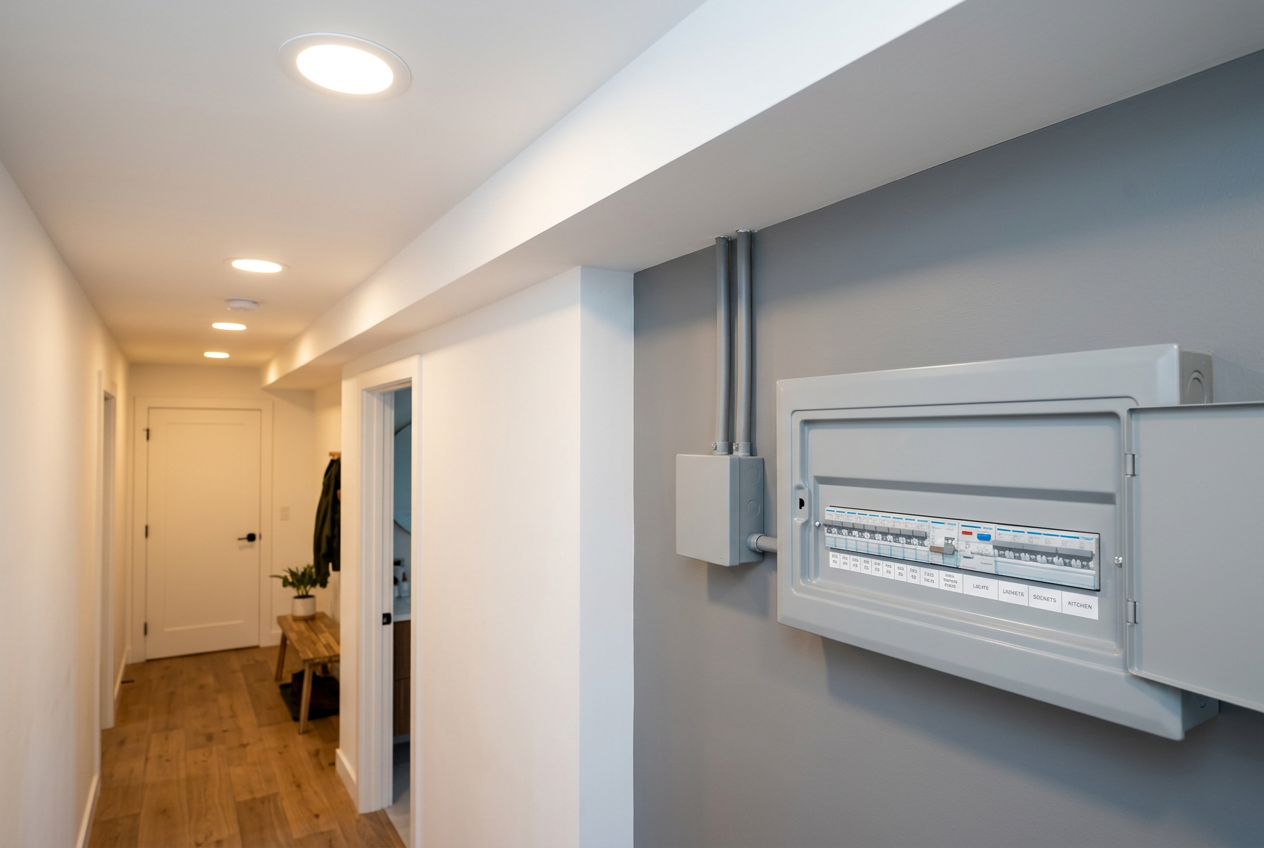
- Switch off the circuit at your switchboard and use a non-contact voltage tester (available at Bunnings or Mitre 10) to confirm the power is off before touching anything
- Document the fault — take photos of any visible damage, scorch marks, or melted plastic to show your electrician
- Check the bulb first — sometimes what seems like a faulty socket is simply a blown bulb or a loose bulb not making contact
- Identify the fitting type — note whether it's a bayonet (BC), Edison screw (ES), or GU10 fitting so your electrician can bring the right replacement
⚠️ Safety note: Never assume a circuit is dead just because you've flipped a switch. Always verify with a voltage tester, and if in any doubt, turn off the main switch at the switchboard.
Choosing the Right Replacement Fitting
If you're having an electrician do the work, it helps to know what you want. Common lampholder types in NZ homes include:
| Fitting Type | Common Use | Bulb Base |
|---|---|---|
| Batten-fix BC | Garages, laundries | Bayonet (B22) |
| Pendant BC/ES | Living areas, bedrooms | Bayonet or Edison screw |
| GU10 downlight | Kitchens, bathrooms | Twist-lock |
| MR16 downlight | Older installations | Pin base |
Your electrician can advise on upgrading older fittings to modern, energy-efficient LED-compatible lampholders — a worthwhile improvement that can reduce power bills. Check Energywise for guidance on energy-efficient lighting choices.
Bathroom and Outdoor Sockets: Extra Rules Apply
If the faulty socket is in a bathroom, laundry, or outdoors, additional requirements under the NZ wiring standards apply. Fittings in wet areas must have an appropriate IP (Ingress Protection) rating. Always make sure your electrician is aware of the location so they can install a compliant fitting.
When to Call a Professional
Call a licensed electrician if:
- The lampholder is wired into your ceiling, wall, or fixed installation (i.e. almost always)
- You notice scorch marks, burning smells, or flickering — these may indicate a deeper wiring fault
- The circuit breaker trips repeatedly when you use that light
- The fitting is in a bathroom, outdoors, or another wet area
- You are a landlord — all electrical work on rental properties must be done by a licensed professional under the Electricity (Safety) Regulations
A qualified local electrician will complete the job safely, issue the required Certificate of Compliance (CoC), and ensure your home meets the NZ Building Code. You can find licensed electricians in your area on tradedirectory.co.nz.

 Site Safe
 Licensed Electrical Inspector







