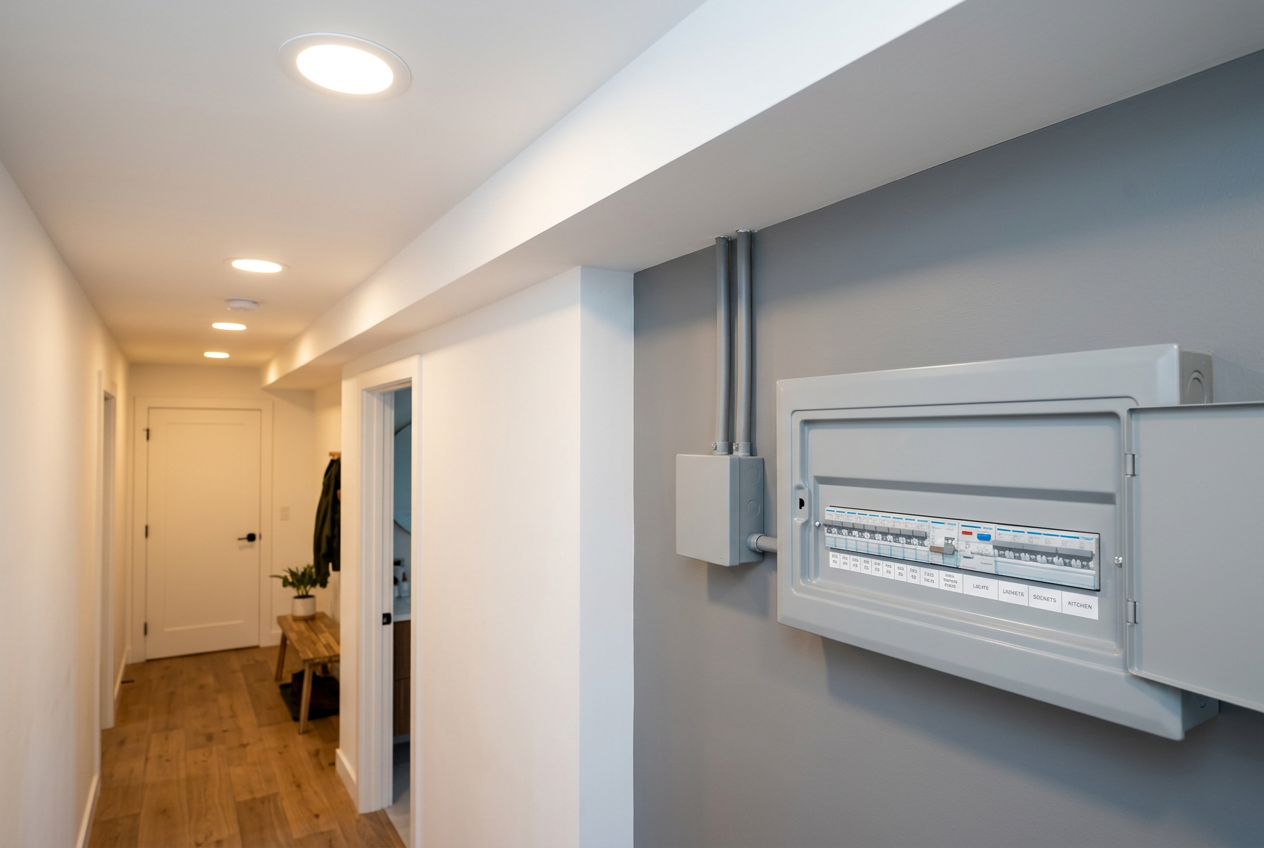
Replacing a broken light socket might seem like a simple job, but in New Zealand, most electrical work inside a fitting is restricted work that must be carried out by a licensed electrician. Understanding exactly where the legal line sits — and what you can safely do yourself — will keep you protected, compliant with the NZ Building Code, and covered by your home insurance.
What Does NZ Law Say About Electrical Work?
Under the Electricity Act 1992 and its regulations, restricted electrical work (REW) must be performed by, or under the direct supervision of, a registered electrician. This includes any work that involves connecting or disconnecting wiring inside a light fitting or socket lampholder. The Electrical Workers Registration Board (EWRB) oversees licensing and can tell you exactly what qualifies as restricted work.
Doing restricted electrical work yourself — or hiring an unlicensed person — is illegal, can void your home insurance, and creates a serious safety risk. Always check with the EWRB or a licensed electrician if you are unsure.
What a Homeowner Can Legally Do
There are a small number of owner-occupier exemptions that allow you to do minor electrical work on your own home (not a rental). These generally include:
- Replacing a lamp (light bulb) — swapping out a blown bulb is fine for anyone.
- Replacing a luminaire (the whole light fitting) as a like-for-like swap on an existing ceiling rose, provided no new wiring connections are made — this is a grey area and many electricians advise against it without professional sign-off.
- Resetting a tripped circuit breaker in your switchboard.
What you cannot do as a homeowner:
- Disconnect or reconnect wires inside a lampholder or socket.
- Replace the internal socket/lampholder component while it remains wired.
- Carry out any work inside the ceiling void or switchboard.
If your light socket (lampholder) is cracked, burnt, or broken, the safest and legally correct approach is to turn off the circuit at the switchboard and call a licensed electrician.
Safety First: Before You Touch Anything
⚠️ Safety warning: Electricity can kill. Never assume a light fitting is safe to touch just because the switch is off. Always isolate the circuit at the switchboard and use a non-contact voltage tester to confirm the power is off before inspecting any fitting.
- Switch off the circuit at the main switchboard — not just the wall switch.
- Lock or tag the switchboard if others are in the house.
- Test with a non-contact voltage tester before touching any part of the fitting.
- If you see burn marks, melted plastic, or smell burning, do not use the fitting until a licensed electrician has inspected it.
WorkSafe NZ has guidance on electrical safety in the home that is worth reading before attempting any inspection.
What the Repair Job Actually Involves
A lampholder (the socket inside the fitting that the bulb screws or pushes into) can fail due to age, heat damage, or physical breakage. Common types in NZ homes include:
| Socket Type | Common Use | Notes |
|---|---|---|
| E27 (Edison Screw) | Pendant and table lamps | Most common in NZ |
| E14 (Small Edison Screw) | Decorative fittings | Smaller version |
| B22 (Bayonet Cap) | Older NZ fittings | Still widely found |
| GU10 (Twist-lock) | Downlights | Common in modern homes |
Replacing the lampholder itself requires disconnecting the live, neutral, and sometimes earth wires — this is restricted electrical work. A licensed electrician will:
- Isolate the circuit and verify it is dead.
- Remove the old lampholder and check the wiring condition.
- Fit a new compliant lampholder and reconnect the wiring correctly.
- Test the circuit before restoring power.
- Issue a Certificate of Compliance (CoC) for the work.
Always ask your electrician for the CoC — you are legally entitled to it and should keep it with your property records.
Rental Properties and Healthy Homes
If the property is a rental, the rules are even clearer — all electrical repairs must be done by a licensed professional. Landlords also have obligations under the Healthy Homes Standards to maintain safe electrical systems. A broken or unsafe light fitting should be repaired promptly.
How Much Does It Cost? (As a Guide)
As a rough guide only, a licensed electrician's call-out and a straightforward lampholder replacement might cost anywhere from $100 to $250+, depending on your region, the type of fitting, and whether additional work is needed. Always get a quote upfront.
When to Call a Professional
Call a licensed electrician if:
- The lampholder is cracked, burnt, or physically broken.
- You notice flickering lights, tripping breakers, or a burning smell.
- The wiring inside the fitting looks discoloured, brittle, or damaged.
- You are unsure about any part of the job.
You can find qualified, local electricians on tradedirectory.co.nz. Always confirm they are registered with the EWRB before work begins.

 Site Safe
 Licensed Electrical Inspector







