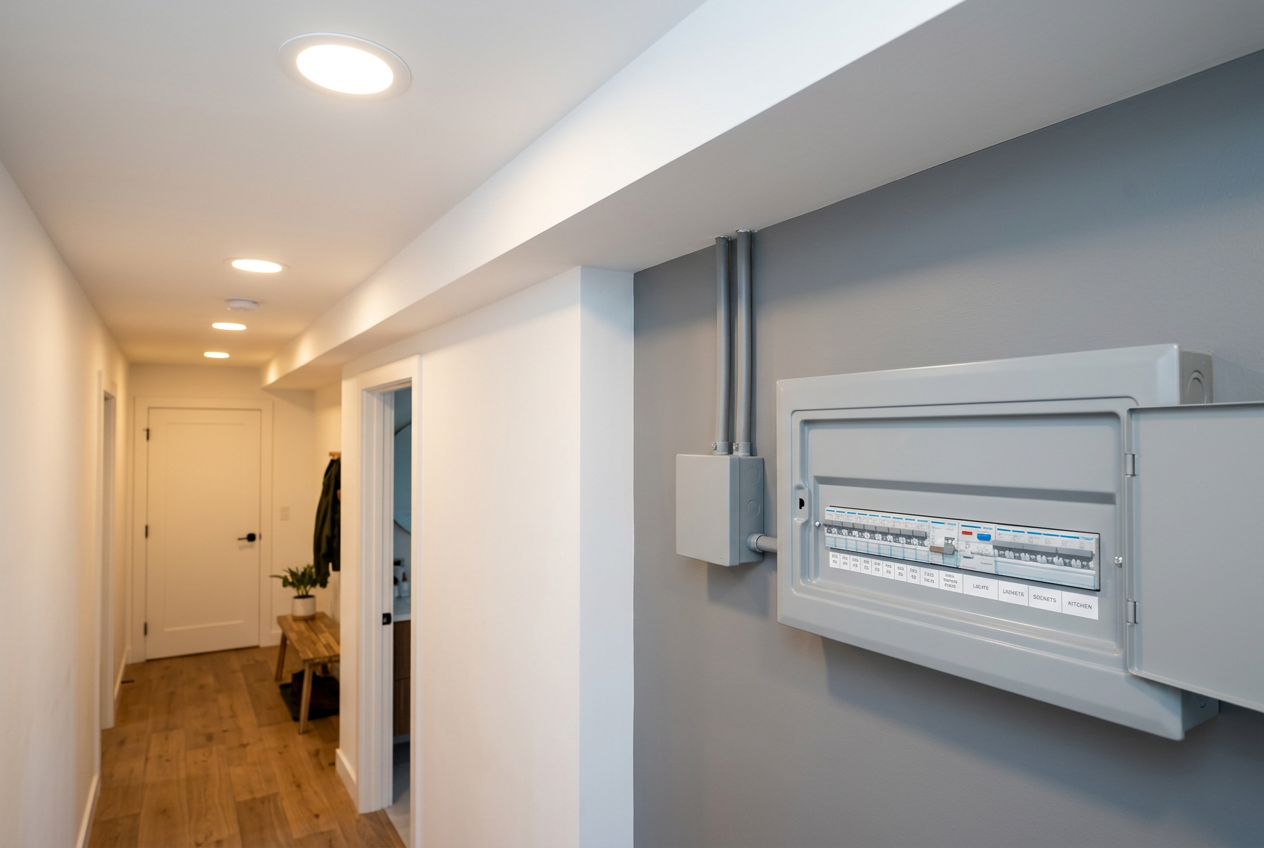
Replacing a single powerpoint (wall socket) with a double is one of the most common electrical jobs NZ homeowners want to tackle themselves — but it's important to understand upfront that this is restricted electrical work under NZ law, meaning it must be carried out by, or under the direct supervision of, a licensed electrician. Here's everything you need to know to get it done safely and legally.
Why You Can't Just Do It Yourself
In New Zealand, the Electricity Act 1992 and its regulations define restricted electrical work (REW) as any work that could affect the safety of an electrical installation. Replacing a powerpoint — even a like-for-like swap — involves working inside a wired fitting connected to your home's fixed wiring, which qualifies as REW.
Only a person registered with the Electrical Workers Registration Board (EWRB) is legally permitted to carry out, or certify, this work. Once the job is done, the electrician must issue you an Electrical Safety Certificate, which is your proof the work is safe and compliant.
Attempting this work yourself (or having an unlicensed friend do it) could:
- Void your home insurance if a fault or fire results
- Result in a fine under the Electricity Act
- Create a serious risk of electrocution or house fire
What the Job Actually Involves
Understanding the process helps you have an informed conversation with your electrician and know what to expect.
1. Isolate the circuit
The electrician will switch off the relevant circuit breaker at your switchboard and use a test meter to confirm the circuit is dead before touching anything. Never assume a switch being off means a circuit is safe.
2. Remove the existing single socket
The faceplate and mounting bracket are unscrewed and carefully pulled away from the wall to expose the wiring behind.
3. Check the existing wiring
Your electrician will inspect the cable condition, check wire gauge, and confirm the circuit is suitable for a double outlet. Older NZ homes (pre-1980s) may have aluminium wiring or older insulation that needs assessment before any work proceeds.
4. Connect the new double socket
A double GPO (general purpose outlet) uses the same active (red or brown), neutral (black or blue), and earth (green/yellow) connections as the single. The wiring is connected to the new socket's terminals following the manufacturer's instructions and NZ wiring standards (AS/NZS 3000, the "Wiring Rules").
5. Fit and test
The new double socket is mounted, the circuit is restored, and the electrician tests the outlet with a socket tester to confirm correct polarity, earthing, and function.
What a Homeowner Can Legally Do
While you cannot do the wiring work yourself, there are a few things you're allowed to handle:
- Choosing the socket style and brand — outlets are widely available at Bunnings and Mitre 10. Popular NZ brands include Clipsal, HPM, and PDL (Schneider Electric).
- Patching or painting the wall around the new socket after the electrician has finished
- Booking and briefing your electrician clearly on what you need
Does This Require a Building Consent?
Generally, replacing a single powerpoint with a double in the same location does not require a building consent — it falls under Schedule 1 of the Building Act 2004 as exempt work. However, if you're adding new circuits, relocating outlets, or doing significant alterations, consent may be required. Always confirm with your local council if you're unsure. Your electrician will also be familiar with what triggers consent requirements.
For more on the NZ Building Code electrical provisions, see MBIE Building Performance.
How Much Does It Cost? (Rough Guide)
As a very rough guide, a straightforward single-to-double powerpoint swap typically takes a licensed electrician less than an hour. Most electricians charge a callout/minimum fee plus an hourly rate — expect to pay more if you're bundling several small jobs together in one visit, which is often the most cost-effective approach. Get at least two quotes.
Choosing the Right Socket
When selecting a double GPO, keep these points in mind:
| Feature | What to look for |
|---|---|
| Standard | AS/NZS 3112 compliant (NZ/AU standard plug) |
| Earthing | Must include an earth terminal |
| Safety shutters | Recommended, especially in homes with young children |
| USB ports | Available on some models — confirm with your electrician |
| Weatherproofing | Required for outdoor or bathroom-adjacent locations |
For outdoor or wet-area installations, your electrician will specify an IP-rated (weatherproof) socket to comply with the NZ Building Code relevant clauses of the NZ Building Code.
When to Call a Professional
The answer here is straightforward: always call a licensed electrician for this job. There are no legal DIY options for replacing powerpoints in NZ. You can find qualified, local electricians on tradedirectory.co.nz — look for someone with current EWRB registration and ask to see their licence. A good electrician will also spot any other issues (overloaded circuits, aging wiring, missing earthing) while they're there, which can save you money and stress down the track.
Safety note: Never open a switchboard, remove a socket faceplate, or touch any wiring without first confirming you are a licensed electrical worker. Even with the breaker off, other parts of your switchboard remain live and dangerous.

 Site Safe
 Licensed Electrical Inspector







