Installing a ceiling rose for a pendant light might look straightforward, but in New Zealand, most of the electrical work involved is restricted work that must be carried out by a licensed electrician. Understanding exactly where the legal line sits — and what you can safely do yourself — will keep you compliant, safe, and properly covered by your home insurance.
What Is Restricted Electrical Work?
Under the Electricity Act 1992 and its regulations, restricted electrical work (REW) covers any work on fixed wiring in your home. This includes connecting a ceiling rose to the wiring in your ceiling. Only a registered electrician can legally perform this work, and they must issue you an Electrical Safety Certificate on completion.
The Electrical Workers Registration Board (EWRB) maintains a public register of licensed electricians. Always check your tradesperson is registered before they start work.
Doing REW yourself — or hiring an unlicensed person — is illegal, can void your home insurance, and creates a serious fire and electrocution risk.
What a Homeowner CAN Do
While the wiring connections are off-limits, there are a few tasks you can legally handle yourself:
- Choosing and purchasing your ceiling rose, pendant cord, and light fitting
- Removing the old light shade or pendant from an existing fitting (once the circuit is switched off at the switchboard)
- Screwing the ceiling rose base plate to the ceiling (mechanical fixing only, before any wiring is touched)
- Changing a light bulb or lamp in an existing fitting
Everything involving the wires themselves — connecting, disconnecting, or altering — must be done by a licensed electrician.
Understanding the Ceiling Rose and How It Works
A ceiling rose is the decorative cover plate that mounts to the ceiling and houses the electrical connection point for a pendant light. Inside, live, neutral, and earth wires from your ceiling junction box connect to the pendant cord, which then runs down to the lamp holder and shade.
Modern NZ homes typically use TPS (Twin and Earth) cable in the ceiling. Older homes may have different wiring configurations, including older colour codes, which is another reason to have a licensed professional assess the job before any work begins.
Step-by-Step: What the Process Looks Like
Even though you'll need an electrician for the wiring, understanding the full process helps you plan and communicate clearly.
1. Turn Off the Power
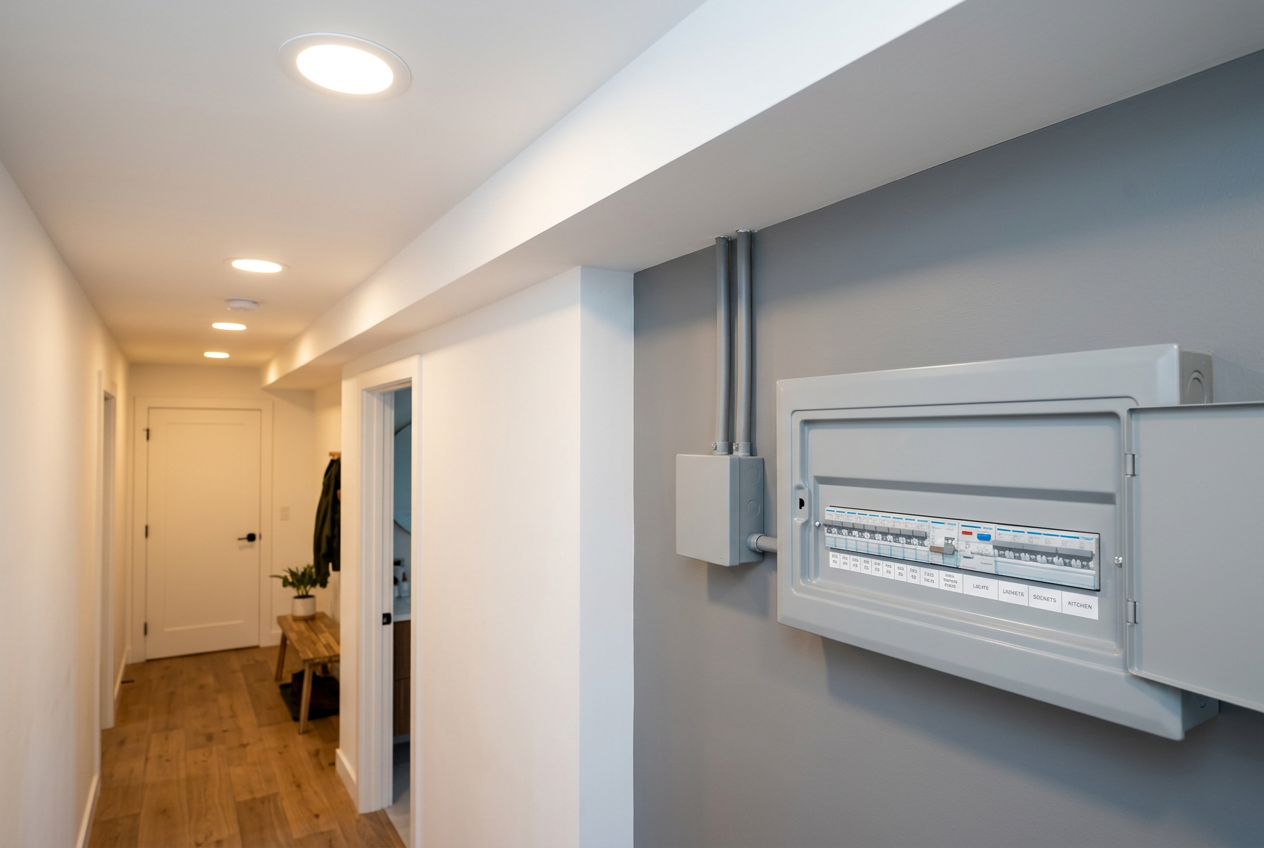
Your electrician will isolate the circuit at the switchboard and verify the circuit is dead using a test instrument before touching any wiring. Never assume a light switch makes wiring safe — always isolate at the board.
2. Remove the Existing Fitting
The old ceiling rose or batten holder is unscrewed and the wiring connections are carefully undone and identified.
3. Check the Ceiling Structure
The rose base plate must be fixed to a solid surface — either directly into a ceiling joist or using a purpose-made ceiling rose bracket rated for the weight of your fitting. Check the fitting manufacturer's instructions for maximum weight. Heavy pendants (over about 3 kg) may need additional structural support.
4. Fix the Base Plate
The base plate is screwed securely to the ceiling. This mechanical step can be done by the homeowner ahead of the electrician's visit if you wish, but confirm with your electrician first.
5. Make the Electrical Connections
Your licensed electrician connects the live, neutral, and earth conductors from the ceiling cable to the correct terminals in the ceiling rose, following the manufacturer's wiring diagram and NZ wiring rules (AS/NZS 3000 — the Wiring Rules).
6. Attach the Pendant and Shade
Once wiring is complete and certified, the pendant cord, lamp holder, and shade are fitted. You can usually do this final decorative step yourself.
7. Receive Your Electrical Safety Certificate
Your electrician must provide a signed Electrical Safety Certificate for the restricted work. Keep this document — you may need it when selling your home or making an insurance claim.
Choosing the Right Ceiling Rose and Pendant
- Make sure any fitting you buy carries a SAA or C-Tick/RCM mark, confirming it meets Australian and NZ electrical safety standards.
- Match the lamp holder type (E27, B22, GU10, etc.) to the bulb you intend to use.
- Check the IP rating if the fitting is near a bathroom or outdoor area — NZ Building Code sets requirements for electrical installations near water.
- For period homes, Resene and specialist lighting suppliers offer heritage-style roses that suit older interiors.
Ceiling Considerations and Building Code
If you're adding a brand-new lighting circuit (not just replacing an existing fitting), a building consent may be required. Replacing a like-for-like fitting on an existing circuit is generally exempt under Schedule 1 of the Building Act, but always confirm with your local council — rules can vary.
For insulated ceilings, your electrician must ensure the fitting is rated for contact with insulation (IC rating) or that adequate clearance is maintained, as required by MBIE Building Performance guidelines.
Safety Note
⚠️ Never work on any electrical wiring while the power is on. Even with the light switch off, the wiring in the ceiling rose may still be live. Always isolate at the switchboard and use a non-contact voltage tester to confirm the circuit is dead. If in any doubt, stop and call a professional.
For more on electrical safety in the home, refer to WorkSafe NZ.
When to Call a Professional
Call a licensed electrician for all wiring connections — this is non-negotiable under NZ law. You should also call a professional if:
- You're unsure which circuit the light is on
- The existing wiring looks damaged, discoloured, or uses old colour codes
- You want to add a dimmer switch (this is also restricted work)
- The ceiling structure doesn't provide a solid fixing point
- You're installing a heavy or oversized pendant fitting
You can find qualified, registered electricians in your area at tradedirectory.co.nz.
Sources & Further Reading
- Electrical Workers Registration Board (EWRB) — Check a licensed electrician
- MBIE Building Performance — Building consent information
- WorkSafe NZ — Electrical safety at home
- BRANZ — Building research and technical guidance
- Standards NZ — AS/NZS 3000 Wiring Rules
- Bunnings NZ — Ceiling roses and pendant fittings

 Site Safe
 Licensed Electrical Inspector







