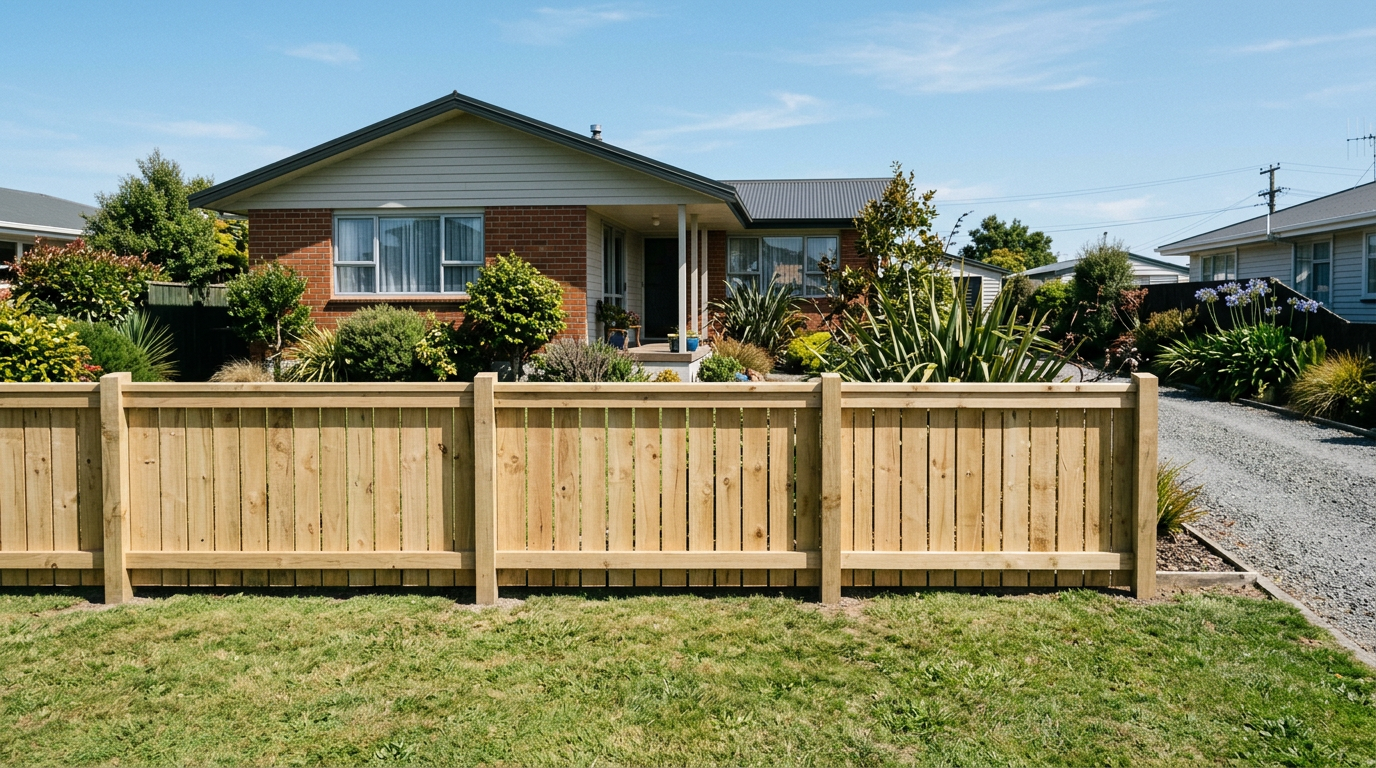
Removing an old treated timber fence is a manageable DIY job, but it does require some care — particularly around the chemicals used to treat the timber. Older fences may contain hazardous preservatives, so knowing what you're dealing with before you start swinging a sledgehammer is important. Here's a practical guide to doing it safely and disposing of the waste responsibly.
Identify What Treatment the Timber Has
Before you touch anything, try to figure out how old your fence is and what preservative was used. This matters a lot for your safety and for disposal.
- CCA (Copper Chrome Arsenic): Very common in NZ fences built before the early 2000s. CCA-treated timber is typically a greenish colour. It contains arsenic, which is toxic — especially as dust or ash.
- LOSP (Light Organic Solvent Preservative): Used in some framing and fencing timber. Less hazardous than CCA but still requires care.
- H3.2, H4, H5 treated timber: Modern treatments (post-2004) are generally safer, but still shouldn't be burned or disposed of carelessly.
If your fence is more than 20 years old and has a green tinge, assume it's CCA-treated and take full precautions. WorkSafe NZ has guidance on working safely with hazardous materials including treated timber.
Gear Up: Personal Protective Equipment
Don't skip the PPE — this is the most important step when dealing with treated timber.
- P2 respirator mask (not just a dust mask) — especially when cutting or drilling
- Safety glasses or goggles
- Heavy-duty gloves (leather or nitrile)
- Long sleeves and long trousers — wash work clothes separately afterwards
- Closed-toe boots
Avoid touching your face while working, and wash your hands thoroughly before eating or drinking.
Tools and Preparation
Gather the right tools before you start:
- Flat bar / wrecking bar
- Claw hammer
- Reciprocating saw or handsaw (for cutting rails and palings)
- Post puller or hi-lift jack (for removing fence posts)
- Wheelbarrow and tarpaulin
- Heavy-duty rubbish bags or a skip bin
Lay a tarpaulin on the ground to catch sawdust and debris — this makes clean-up easier and reduces contamination of your soil.
Step-by-Step Demolition
1. Check for underground services
Before pulling posts, call Dial Before You Dig (0800 248 344) or visit their website to check for buried power, gas, or water lines near your fence line.
2. Remove palings and rails first
Work from the top down. Use a flat bar to lever off palings, then remove the horizontal rails. Stack timber neatly on your tarpaulin — don't let it pile up randomly.
3. Extract the posts
This is usually the hardest part. Concrete-set posts need either a post puller (available to hire from most tool hire shops), a hi-lift jack with a chain, or careful digging around the base. Avoid snapping posts off at ground level — leaving treated timber in the ground can leach chemicals over time.
4. Minimise cutting and sanding
Cutting treated timber generates hazardous dust. Only cut when necessary, do it outdoors, and always wear your P2 respirator. Never use an angle grinder on treated timber.
Disposing of Treated Timber Correctly
This is where many homeowners go wrong. Never burn treated timber — burning CCA timber releases arsenic and other toxins into the air, and is illegal under local council bylaws and relevant hazardous substances regulations.
Your disposal options:
| Option | Suitable for CCA? | Notes |
|---|---|---|
| Council transfer station / landfill | Yes (check locally) | Most accept treated timber as hazardous waste — fees may apply |
| Skip bin hire | Yes | Confirm with the provider that they accept treated timber |
| Reuse / repurpose | Only modern treated | Don't reuse CCA timber in vege gardens or children's play areas |
| Firewood | No | Never burn treated timber |
| Kerbside rubbish | Generally no | Check your council's rules |
Contact your local council or check their website to find your nearest transfer station and confirm their treated timber policy. Rules vary by region.
Soil and Site Clean-Up
Once the fence is down, sweep or vacuum up sawdust using a vacuum with a HEPA filter if possible. Dispose of the tarpaulin contents with the timber waste — don't shake dust into the garden. If you suspect significant CCA contamination of soil (e.g., around old posts), contact your council's environmental health team for advice.
Do You Need a Building Consent?
In most cases, removing a fence does not require a building consent under Schedule 1 of the Building Act. However, always confirm with your local council before starting — rules can vary, particularly for boundary fences, retaining walls, or fences over 2.5 metres. MBIE Building Performance has useful guidance on consent exemptions.
When to Call a Professional
Consider hiring a qualified fencer or demolition contractor if:
- Your fence is large, long, or on difficult terrain
- Posts are deeply concreted and you lack the equipment to extract them safely
- You're unsure whether the timber is CCA-treated
- The fence is on or near a boundary and there's a dispute with a neighbour
- You simply don't have the time or physical ability to do it safely
A professional fencer will have the right tools, know how to handle treated timber safely, and can arrange appropriate disposal. You can find qualified local fencers on tradedirectory.co.nz.





