In New Zealand, connecting a new appliance to a hardwired circuit is restricted electrical work — meaning it must be carried out by a licensed electrician in almost all cases. Understanding exactly where the legal line sits, and what you can safely do yourself, will protect both your household and your home insurance.
What Is a Hardwired Appliance Connection?
A hardwired appliance is one that is permanently wired directly into your home's electrical wiring rather than plugged into a socket outlet. Common examples include:
- Electric cooktops and ovens
- Fixed bathroom heaters and heat lamps
- Hot water cylinders
- Rangehoods wired directly to the circuit
- Air conditioning units (ducted or fixed-split systems)
- Electric vehicle (EV) chargers
Unlike a plug-in appliance, there is no socket you can simply unplug — the wiring connects directly to a junction box, isolator switch, or the appliance's terminal block.
Why This Is Restricted Work in NZ
Under the Electricity Act 1992 and the Electricity (Safety) Regulations 2010, most electrical wiring work inside a home is classified as restricted electrical work. Only a person registered and licensed with the Electrical Workers Registration Board (EWRB) may legally carry out, supervise, or certify this work.
This applies to:
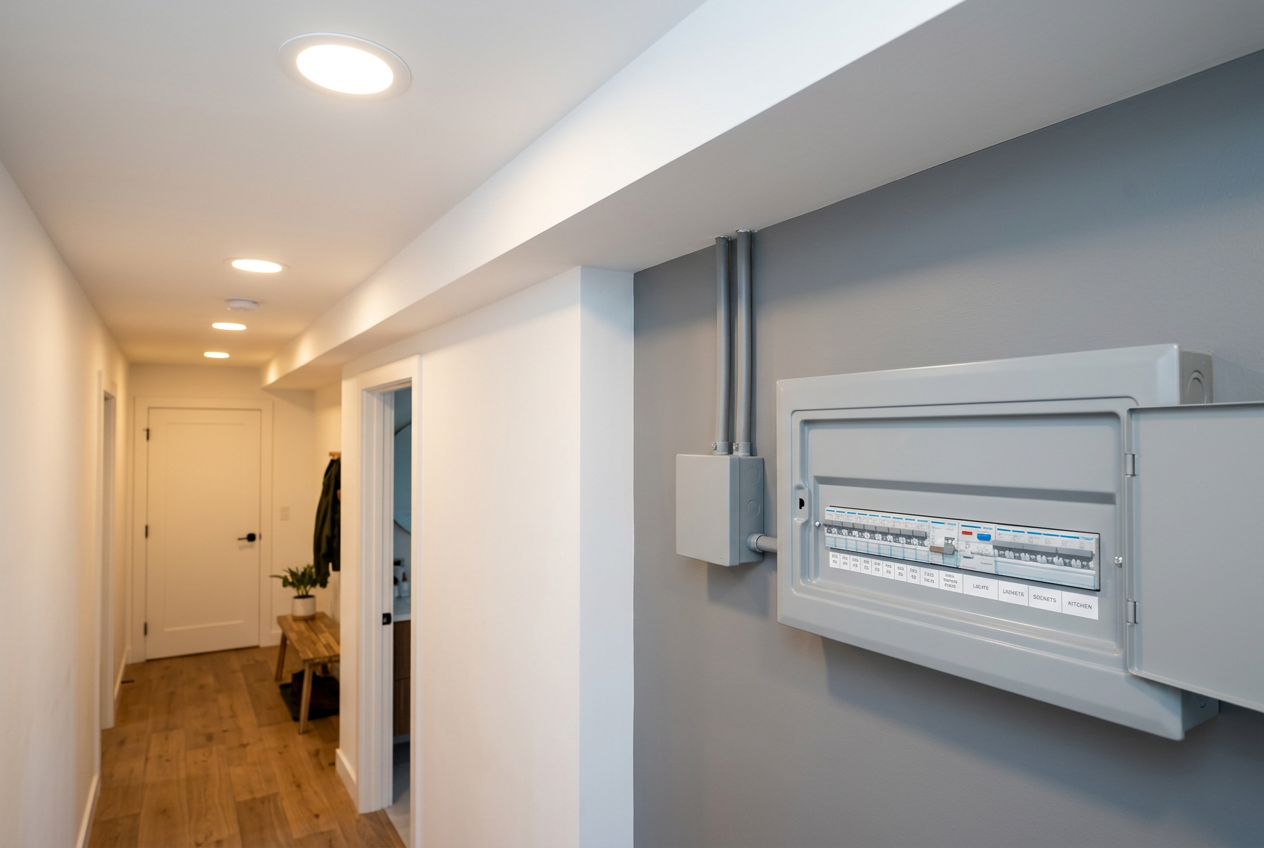
- Making or altering any wiring connection inside a switchboard or junction box
- Installing or replacing an isolator switch or circuit breaker
- Running new cable to an appliance location
- Connecting the appliance's fixed wiring to the circuit
After completing restricted work, a licensed electrician must issue a Certificate of Compliance (CoC), which is your legal record that the work meets the NZ Building Code and relevant standards.
Safety note: Attempting restricted electrical work yourself is illegal, can void your home insurance, and — most seriously — creates a genuine risk of electrocution, fire, and death.
What a Homeowner CAN Legally Do
While the wiring connection itself must be done by a professional, there are preparatory and finishing tasks you can handle:
- Choosing and purchasing the appliance — check the manufacturer's installation requirements before buying
- Preparing the space — cabinetry cutouts, bench clearances, and ventilation (following manufacturer specs)
- Removing an old plug-in appliance from a socket outlet (unplugging is not restricted work)
- Communicating your requirements clearly to your electrician, including the appliance's rated load (in kilowatts or amps)
If your new appliance simply plugs into an existing socket outlet and that outlet is already on a suitable circuit, no restricted work is involved at all.
What the Electrician Will Check and Do
A good licensed electrician will assess the following before making any connection:
| Check | Why It Matters |
|---|---|
| Circuit capacity (amps/kW) | Ensures the existing circuit can handle the new load without tripping or overheating |
| Cable size and condition | Undersized or old wiring may need upgrading |
| Earthing and RCD protection | Required under NZ wiring rules for safety |
| Isolator switch requirement | Many hardwired appliances need a local isolator within reach |
| Compliance with NZS 3000 | The NZ/Australian Wiring Rules standard governs all installations |
For high-draw appliances like a 9 kW induction cooktop or a heat pump, a dedicated circuit from the switchboard is often required. Your electrician will advise whether your existing switchboard has capacity or whether an upgrade is needed.
Building Consent — Do You Need One?
For most like-for-like appliance replacements (e.g., swapping one hardwired oven for another), a building consent is generally not required under Schedule 1 of the Building Act 2004. However, if new wiring, a new circuit, or structural work is involved, consent requirements can change. Always confirm with your local council before starting, as exemptions vary. Your electrician will also be familiar with what triggers a consent in your area.
For more guidance, visit MBIE Building Performance.
Healthy Homes and Rental Properties
If you are a landlord, note that the Healthy Homes Standards set requirements for heating in rental properties. Any fixed heating appliance must be safely installed — another reason to ensure all hardwired connections are done by a licensed professional and certified with a CoC.
Rough Cost Guide
As a broad guide only, a straightforward hardwired appliance connection (e.g., replacing an existing oven on an existing circuit) might cost anywhere from around $150 to $400+ including the CoC, depending on your location, the complexity of the job, and the electrician's call-out fee. Jobs requiring new circuits or switchboard work will cost more. Get at least two quotes.
When to Call a Professional
You should always call a licensed electrician for any hardwired appliance connection. This is not optional — it is the law. You should also call a professional if:
- Your switchboard is old (ceramic fuses, no RCDs, or no space for new breakers)
- You are installing a high-draw appliance for the first time (EV charger, induction cooktop, heat pump)
- You notice any scorching, burning smells, or tripping breakers near the existing circuit
- You are unsure whether the existing wiring is adequate
You can find qualified, local electricians on tradedirectory.co.nz — look for those who are EWRB-registered and experienced with appliance installations.

 Site Safe
 Licensed Electrical Inspector







