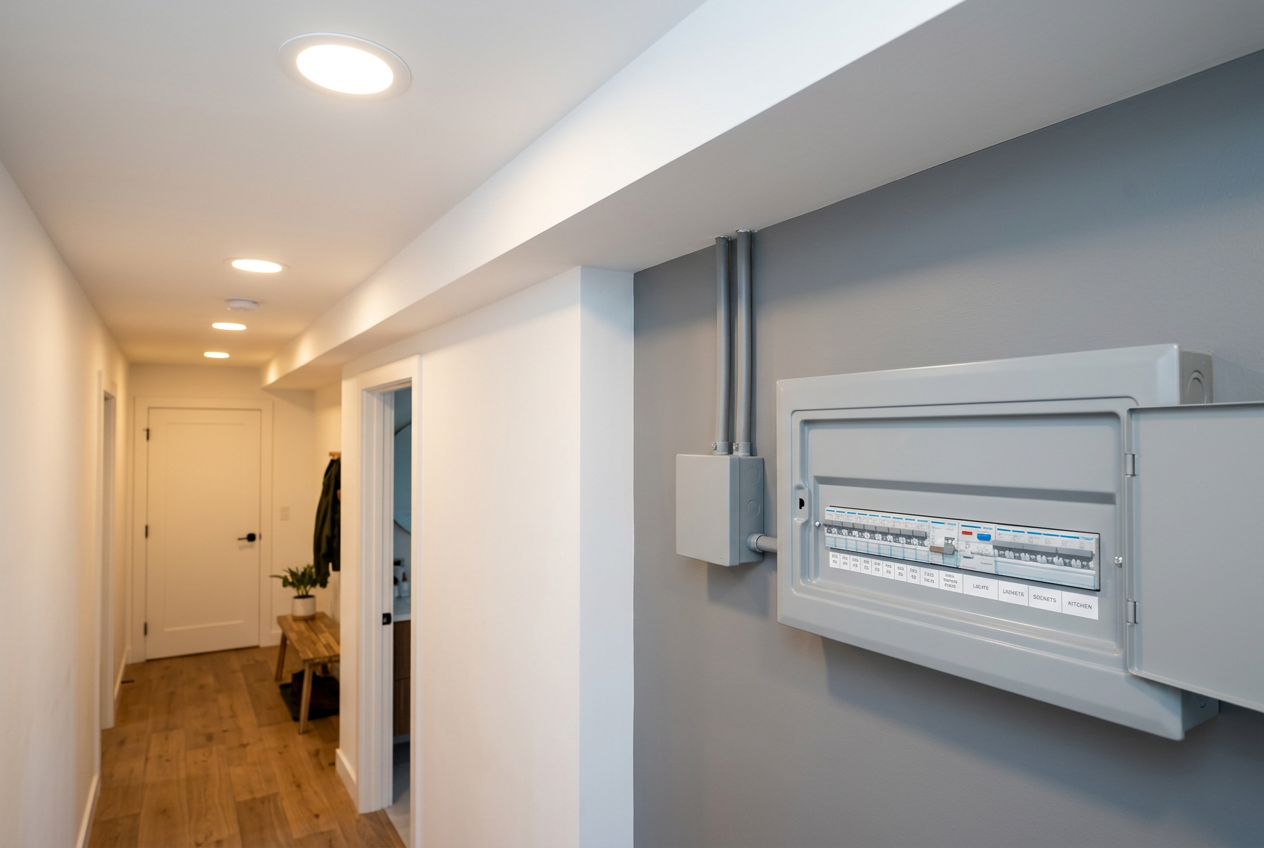
Adding a spur from an existing power point might seem like a straightforward DIY job, but in New Zealand it is restricted electrical work — meaning it must be carried out by, or under the direct supervision of, a registered electrician. Attempting this work yourself is illegal, potentially dangerous, and could void your home insurance. Here's what every NZ homeowner needs to understand before touching a single wire.
What Is a Spur, and Why Would You Need One?
A spur is a branch circuit that extends from an existing socket outlet (power point) to provide power to one or more additional outlets. It's a common way to add extra power points in a room without running a completely new circuit from the switchboard. Common reasons homeowners want a spur include:
- Adding an outlet in a home office or workshop
- Providing power to a new kitchen appliance location
- Extending power to a garage or outdoor area
- Reducing reliance on extension leads and power boards
While the concept is simple, the execution involves working with your home's fixed wiring — and that's where NZ law draws a clear line.
Is Adding a Spur Legal as a DIY Job in NZ?
No. Under the Electrical Workers Registration Board (EWRB) regulations, any work on fixed electrical wiring — including adding a spur from an existing outlet — is classified as restricted electrical work. This is governed by the Electricity Act 1992 and the Electricity (Safety) Regulations 2010.
The only electrical work a homeowner can legally do themselves includes things like:
- Replacing a light bulb or fuse
- Connecting a plug to a flexible cord (if the cord is not fixed)
- Resetting a tripped circuit breaker
Adding a spur — which involves opening an existing outlet, connecting new cable, and installing a new socket — does not fall into any of these exemptions. Even if you are confident and handy, doing this work yourself can result in:
- Fines of up to $10,000 for unlicensed electrical work
- Voided home and contents insurance
- Fire risk from incorrect connections or overloaded circuits
- Electrocution risk to yourself or future occupants
What a Licensed Electrician Will Do
When you hire a registered electrician to add a spur, here's the general process they'll follow:
1. Assess the Existing Circuit
Before adding any spur, the electrician will check the existing circuit's capacity. A spur adds load to the circuit it branches from. If the circuit is already near its rated capacity (typically rated for a set amperage for a ring or radial circuit), adding more outlets could cause nuisance tripping or, worse, a fire hazard.
2. Choose the Right Cable
In NZ, domestic wiring typically uses 1.5mm² or 2.5mm² twin-and-earth cable (to AS/NZS 3000 wiring rules). Your electrician will select the correct cable size to match the circuit's protection.
3. Run the Cable Safely
Cable must be routed and protected in accordance with the NZ Wiring Rules (AS/NZS 3000), avoiding areas where it could be damaged, and maintaining safe distances from other services.
4. Make Safe Connections
The electrician will safely connect the spur at the existing outlet and terminate it correctly at the new outlet, ensuring proper earth continuity throughout.
5. Issue a Certificate of Compliance (CoC)
Once the work is complete, your electrician is legally required to issue a Certificate of Compliance (CoC). Keep this document — you'll need it if you sell your home or make an insurance claim. Always ask for it upfront as a condition of hiring.
Does a Spur Require a Building Consent?
In most cases, adding a standard power point spur does not require a building consent under Schedule 1 of the Building Act 2004. However, if the work involves structural changes (e.g., chasing cables through load-bearing walls) or is part of a larger project, consent may be needed. Always confirm with your local council if you're unsure — rules can vary by region.
What About Outdoor or Garage Spurs?
Running a spur to an outdoor area or detached garage adds complexity. Outdoor wiring must be weatherproof and UV-resistant, and circuits supplying outdoor or wet-area outlets typically require residual current device (RCD) protection. A spur to a detached structure may also need to be treated as a sub-circuit from the switchboard rather than a simple spur. Your electrician will advise on the safest and most compliant approach.
How Much Does It Cost?
As a rough guide only, adding a single spur and new power point in NZ can range from around $150–$400+, depending on how easy the cable run is, wall construction (timber framing vs. concrete), and your location. Always get two or three quotes from registered electricians.
Safety Note
⚠️ Never work on any electrical outlet or wiring while the circuit is live. Even if you are only observing while a tradesperson works, ensure the circuit is isolated at the switchboard and tested with a voltage tester before anyone touches any wiring. Electricity can kill.
For more on electrical safety in the home, refer to WorkSafe NZ.
When to Call a Professional
You should call a registered electrician for any spur work — full stop. This isn't a grey area in NZ law. A good electrician will also be able to spot any existing wiring issues (older homes may have aluminium wiring or outdated switchboards) that could affect the safety of the new work.
You can find qualified, local electricians on tradedirectory.co.nz. Always confirm they are registered with the EWRB before work begins — you can search the public register on their website.

 Site Safe
 Licensed Electrical Inspector







