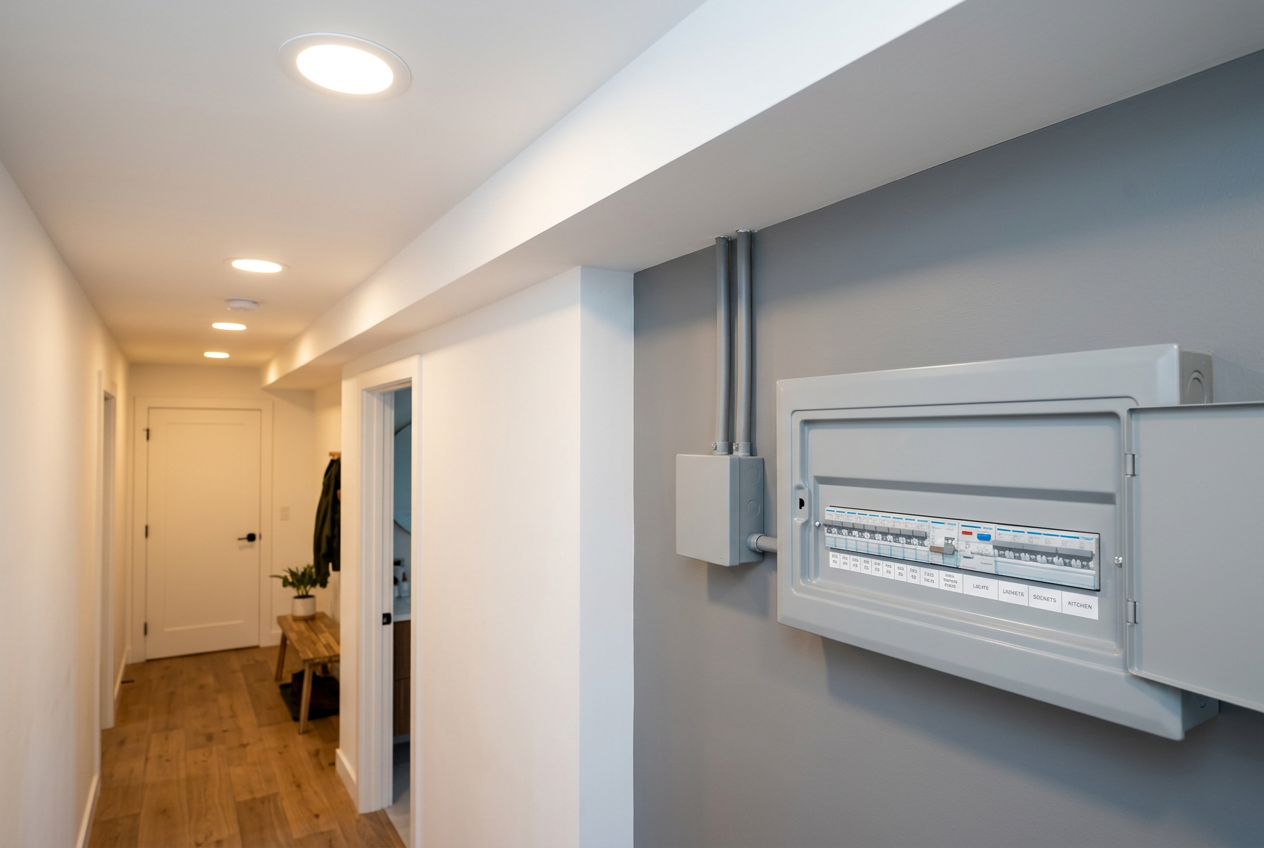
Adding a powerpoint (power outlet) to an existing wall circuit might seem like a straightforward weekend job, but in New Zealand the rules are clear: most of this work is restricted electrical work that must be carried out — or at minimum supervised and certified — by a licensed electrician. Here's what you need to know before you pick up a screwdriver.
What the Law Says in New Zealand
Under the Electricity Act 1992 and its regulations, restricted electrical work includes any work that involves fixed wiring — that is, wiring that is part of your home's permanent electrical installation. Adding a new powerpoint to a wall circuit involves connecting to fixed wiring, which means it legally requires a registered electrician to carry out and certify the work.
The Electrical Workers Registration Board (EWRB) oversees licensing in NZ. Only registered electrical workers can legally perform and certify restricted electrical work. If unlicensed work causes a fire or injury, your home insurance may be void — so this isn't a rule worth bending.
What a Homeowner CAN Legally Do
There is a limited exemption for homeowners under Schedule 1 of the Electricity (Safety) Regulations 2010. As the owner-occupier of your own home, you may do certain minor electrical work yourself, including:
- Replacing a like-for-like socket outlet (swapping an old powerpoint for a new one of the same type in the same location)
- Replacing a light switch or light fitting (like-for-like)
- Replacing a fuse or circuit breaker
However, running new cable through walls, connecting to the switchboard, or adding an entirely new outlet point does not fall within this exemption. That is restricted work.
Safety note: Even for work you're legally allowed to do yourself, always turn off the circuit at the switchboard and use a non-contact voltage tester to confirm the power is off before touching any wiring. Never work on live circuits.
Why You Shouldn't DIY the Wiring
Beyond the legal issue, there are real safety reasons to leave fixed wiring to the professionals:
- Overloaded circuits: Adding outlets to an already-loaded circuit can cause overheating and fire risk. An electrician will check the circuit's capacity first.
- Correct cable sizing: NZ wiring must comply with AS/NZS 3000 (the Wiring Rules). Using undersized cable is a fire hazard.
- Earth continuity: A missing or faulty earth connection can be fatal.
- Moisture zones: In kitchens and bathrooms, additional rules apply around outlet placement and waterproofing under the NZ Building Code (clauses G9 and G12).
- Insurance and LIM records: Uncertified electrical work can affect your property's LIM report and future sale.
What the Job Actually Involves
When a licensed electrician adds a powerpoint, here's typically what the work entails:
| Step | What Happens |
|---|---|
| Circuit assessment | Electrician checks existing load and cable condition |
| Cable routing | New cable run through wall cavity or surface-mounted conduit |
| Outlet installation | Back box fitted, outlet wired and secured |
| Switchboard check | Confirms circuit protection is adequate |
| Testing | Full insulation resistance and polarity tests |
| Certification | Certificate of Compliance (CoC) issued |
The Certificate of Compliance is a legal document you should keep with your home records. Always ask your electrician for one.
Do You Need a Building Consent?
In most cases, adding a standard powerpoint does not require a building consent — it falls under Schedule 1 exemptions of the Building Act 2004. However, if the work involves structural changes (e.g., cutting into a load-bearing wall) or is part of a larger renovation, consent may be needed. Always check with your local council if you're unsure. You can find general guidance at MBIE Building Performance.
Surface-Mounted vs In-Wall Options
If you want a quicker, lower-cost solution, a surface-mounted conduit system (sometimes called a dado or trunking system) avoids the need to cut into walls. A licensed electrician can still run the cable in surface conduit and add an outlet — it's faster and often cheaper, though less visually tidy. Ask your electrician which option suits your wall type (plasterboard, concrete, brick).
For plasterboard walls, your electrician may use GIB-compatible back boxes designed for hollow walls. For masonry, a different fixing method is needed.
Rough Cost Guide
As a very rough guide only, adding a single powerpoint by a licensed electrician in NZ typically costs somewhere in the range of $150–$400+, depending on your region, how easy cable access is, and whether the switchboard needs any upgrades. Get at least two or three quotes.
When to Call a Professional
You should always call a licensed electrician for:
- Any new outlet added to a fixed wall circuit
- Work near water (bathrooms, kitchens, laundries)
- Anything involving the switchboard or consumer unit
- Older homes with aluminium wiring or older wiring systems (common in NZ homes built before the 1980s)
- Rental properties — landlords must meet Healthy Homes Standards and all electrical work must be certified
You can find qualified, local electricians on tradedirectory.co.nz. Always confirm they are registered with the EWRB before work begins.

 Site Safe
 Licensed Electrical Inspector







