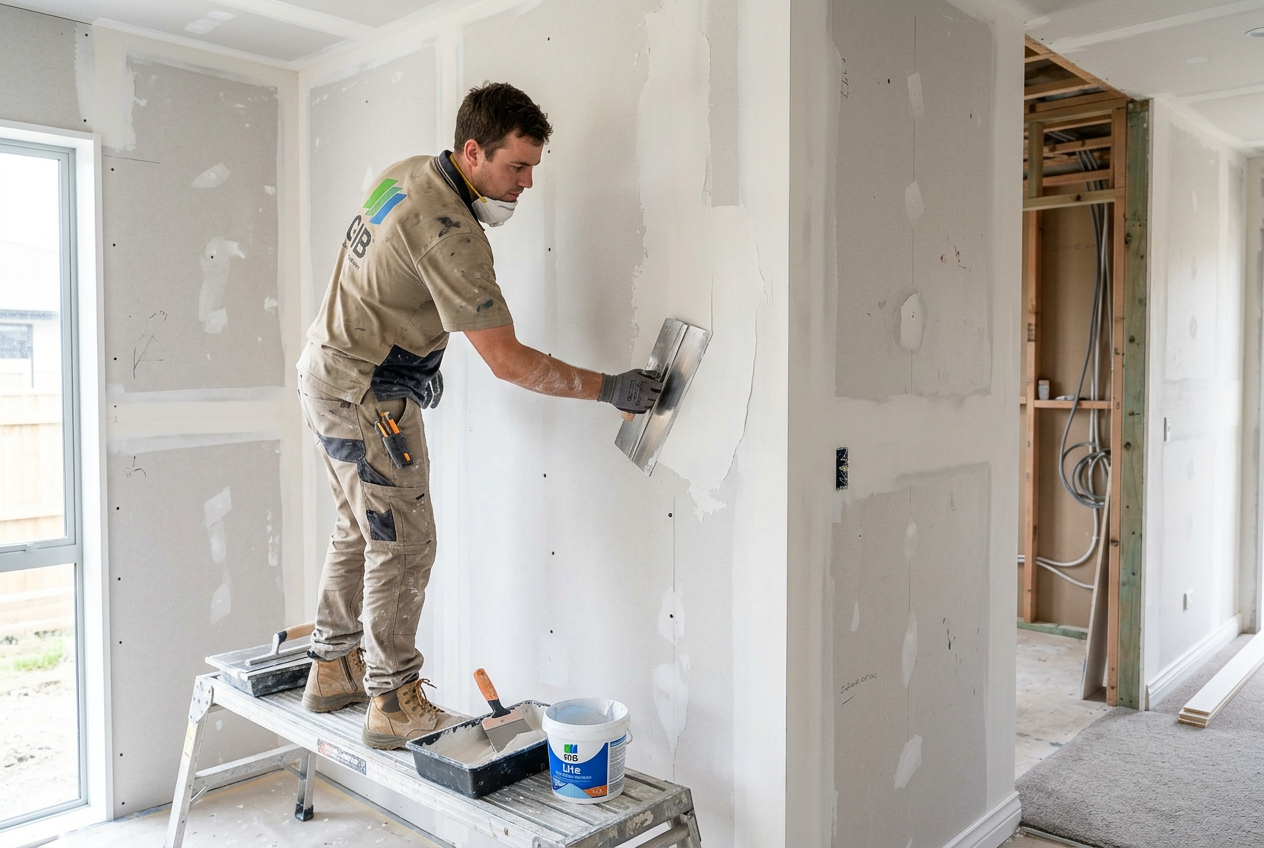
Disputes over rendering workmanship are more common than you might think, and the good news is that New Zealand has clear pathways to help homeowners get a fair outcome. Whether you're dealing with cracking, delamination, poor finish, or incomplete work, following the right steps will give you the best chance of resolving things without costly legal action.
Start With a Clear Record of the Problem
Before you do anything else, document the defects thoroughly. Take dated photographs from multiple angles in good lighting. Note when you first noticed the problem and whether it appeared shortly after completion or developed over time. Keep copies of all contracts, quotes, invoices, text messages, and emails exchanged with the renderer.
Common rendering defects that may constitute poor workmanship include:
- Cracking – hairline or structural cracks appearing within weeks of completion
- Delamination – render separating or bubbling away from the substrate
- Uneven finish – visible trowel marks, hollows, or inconsistent texture
- Colour variation – patchy or mismatched colour in the finished coat
- Water ingress – moisture penetrating through the render system
Under the NZ Building Code, exterior render systems must comply with Clause E2 (External Moisture), which requires cladding systems to prevent moisture from causing undue dampness or damage. If the render is allowing water in, this is a serious defect. You can read more about the Building Code at MBIE Building Performance.
Step 1 – Raise the Issue Directly With the Renderer
Always try to resolve the dispute directly first. Contact the renderer in writing (email is ideal, as it creates a record) and clearly describe:
- The specific defects you've identified
- When the work was completed
- What remedy you're seeking (repair, redo, or partial refund)
- A reasonable timeframe for their response (10–15 working days is fair)
A professional renderer should be willing to inspect the work and discuss the issue. Many disputes are resolved at this stage, especially if the defect is clear-cut.
Step 2 – Get an Independent Assessment
If the renderer disputes that the work is defective, or claims the problem is caused by something else (substrate movement, homeowner damage, etc.), consider getting an independent technical assessment. A building surveyor, licensed building practitioner, or experienced renderer can inspect the work and provide a written opinion.
BRANZ (the Building Research Association of NZ) publishes technical guidance on render systems and acceptable standards that can help frame what "acceptable workmanship" looks like. An independent report strengthens your position significantly in any formal dispute process.
You can find qualified tradespeople and building professionals on tradedirectory.co.nz.
Step 3 – Check Whether the Renderer Is an LBP
Rendering of certain exterior cladding systems may be restricted building work under the Building Act 2004, depending on the cladding type and whether a building consent was required. If the work required a licensed building practitioner (LBP) and the renderer wasn't licensed, this is a serious issue.
Check the Licensed Building Practitioners register to confirm the renderer's status. If they are an LBP and the work is defective, you can lodge a complaint with the LBP scheme, which can investigate and impose sanctions.
Step 4 – Use Formal Dispute Resolution
If direct negotiation fails, you have several formal options:
Disputes Tribunal
For claims up to a certain threshold, the Disputes Tribunal is a cost-effective, accessible option. Check the current limit with the Ministry of Justice, as the maximum claim amount can change. You don't need a lawyer. The Tribunal can order the renderer to repair the work, redo it, or pay compensation. Filing fees are modest.
Consumer Guarantees Act 1993
Under the Consumer Guarantees Act (CGA), services must be carried out with reasonable care and skill, be fit for purpose, and be completed in a reasonable time. If the renderer is a business (not a private individual), the CGA applies and gives you the right to have defects remedied or to seek a price reduction.
Building Disputes Tribunal
For larger or more complex construction disputes, the Building Disputes Tribunal is a specialist adjudication service. It's faster and cheaper than the courts for building-related claims.
Fair Trading Act
If the renderer made misleading claims about their skills, experience, or the products used, the Fair Trading Act may also apply. Consumer NZ has useful guidance on your rights.
Step 5 – Consider Mediation
Before escalating to a tribunal or court, mediation is worth considering. A neutral mediator helps both parties reach a mutually acceptable solution. It's faster, cheaper, and less adversarial than formal proceedings. Some industry associations offer mediation services.
Practical Tips to Strengthen Your Case
| Action | Why It Helps |
|---|---|
| Keep all written communication | Creates a paper trail |
| Get an independent technical report | Provides objective evidence |
| Reference the contract or quote | Establishes agreed scope and standard |
| Act promptly | Delays can complicate your claim |
| Avoid making repairs yourself | Preserves evidence of the defect |
When to Call a Professional
If the render defects are causing water ingress or structural damage, don't wait for the dispute to resolve — get a qualified tradesperson to assess the risk immediately. Ongoing moisture damage can escalate quickly, especially in NZ's wetter climates. Document everything before any emergency repairs are made.
For legal advice on your specific situation, consult a solicitor experienced in construction law or contact MBIE Building Performance for guidance on the Building Act and your rights.
Sources & Further Reading
- MBIE Building Performance – Building Code and homeowner rights
- BRANZ – Technical guidance on render and cladding systems
- Licensed Building Practitioners – Check a renderer's licence
- Consumer NZ – Your rights under the Consumer Guarantees Act
- WorkSafe NZ – Health and safety on building sites
- Standards NZ – NZ Building Standards

 Licensed Building Practitioner (LBP)