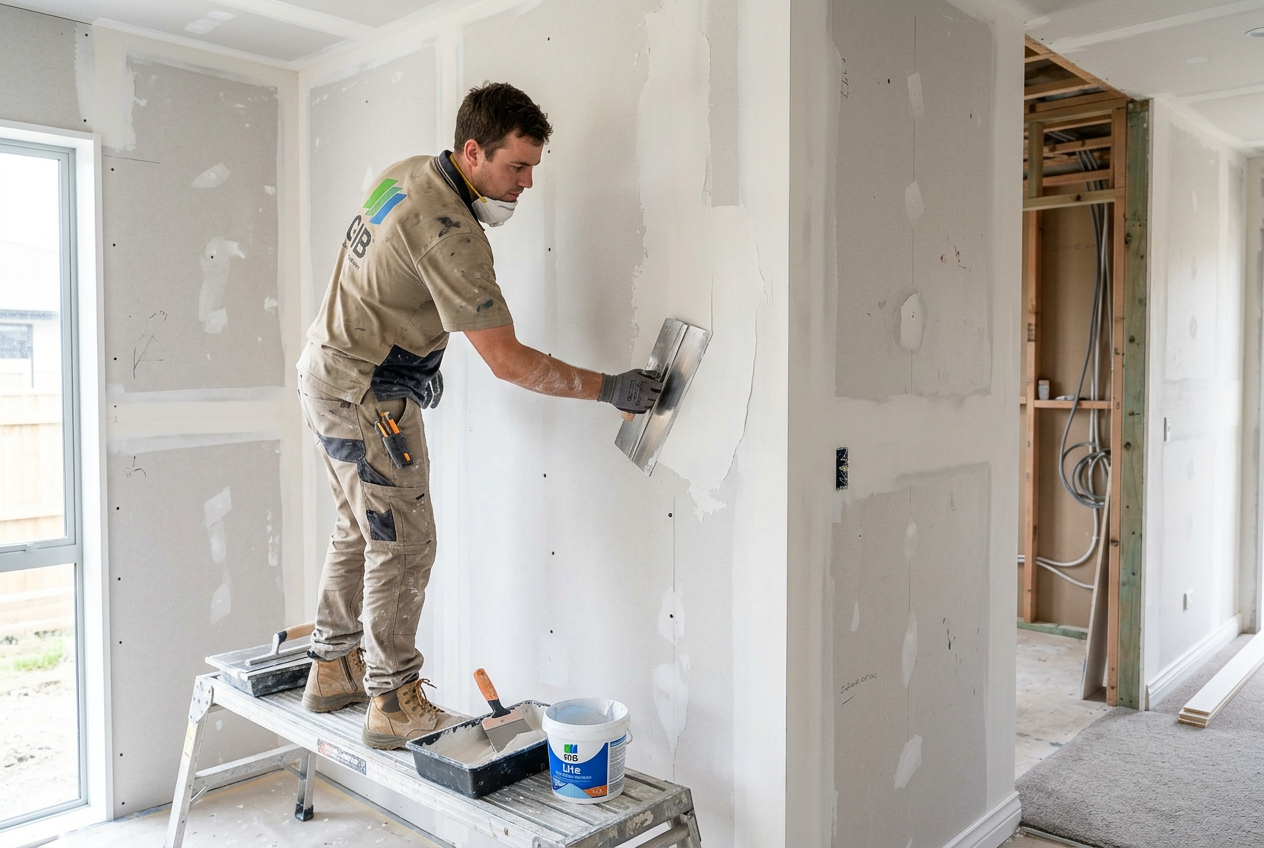
Discovering that plastering work on your home isn't up to scratch is frustrating — but you have real options in New Zealand. Whether the issue is uneven surfaces, cracking, delamination, or incomplete work, there's a clear process to follow that gives you the best chance of a fair outcome without necessarily going to court.
Step 1: Document Everything First
Before you say a word to the plasterer, gather evidence. Take clear, well-lit photographs and short videos of every defect. Note the date the work was completed, what was agreed (verbally or in writing), and what you've paid so far. If you have a written contract, quote, or text messages, save copies of all of them. Good documentation is the foundation of any successful dispute.
Step 2: Raise the Issue Directly With the Plasterer
In most cases, the fastest resolution comes from a calm, direct conversation. Contact the plasterer in writing (email is ideal, as it creates a record) and:
- Describe the specific defects clearly
- Reference any agreed standard of finish or specification
- Give them a reasonable timeframe to respond and remedy the work (10–15 working days is generally considered fair)
- Keep your tone professional — avoid threats at this stage
Many disputes are resolved here. Tradespeople generally want to protect their reputation and will return to fix genuine defects.
Step 3: Understand What "Acceptable Quality" Means
Plastering standards in New Zealand are guided by the NZ Building Code and industry practice. For internal plasterboard systems, GIB publishes detailed technical guidelines on acceptable finish levels (Level 3, 4, or 5 finish), which are widely used as a benchmark. For external plaster (stucco or texture coat), James Hardie and similar manufacturers publish application specifications.
BRANZ (Building Research Association of NZ) is an independent authority that publishes guidance on acceptable building work standards — their resources can help you understand whether a defect is genuinely below standard or within normal tolerance.
If you're unsure whether the work is defective, consider getting an independent assessment from another qualified plasterer or a building inspector before escalating.
Step 4: Check the Plasterer's Licensing Status
Some plastering work — particularly restricted building work related to weathertightness (such as external plaster cladding systems) — must be carried out or supervised by a Licensed Building Practitioner (LBP). You can check a tradesperson's LBP status at Licensed Building Practitioners.
If restricted building work was done by an unlicensed person, this is a serious matter. Contact your local council and MBIE Building Performance for guidance on your options, which may include complaints to the Building Practitioners Board.
Step 5: Use Formal Dispute Resolution Pathways
If direct negotiation fails, you have several formal options:
Consumer Protection Rights
Under the Consumer Guarantees Act 1993, services must be carried out with reasonable care and skill. If the plasterer is a business (not a private individual), you have the right to have defective work remedied. Consumer NZ has plain-English guidance on your rights.
Disputes Tribunal
For claims up to $30,000 (or a lower limit if the other party objects — check the Ministry of Justice website for current thresholds), the Disputes Tribunal is a low-cost, no-lawyers option. You file online through the Ministry of Justice website. A referee hears both sides and makes a binding decision. This is often the most practical route for plastering disputes.
Building Practitioners Board
If the plasterer holds an LBP licence, you can lodge a complaint with the Building Practitioners Board (administered through MBIE Building Performance). The Board can investigate, impose penalties, and in serious cases suspend or cancel a licence. This doesn't directly get you money back, but it's an important accountability mechanism.
Mediation
Some disputes benefit from a neutral mediator before going to a tribunal. This can be faster and less adversarial. Check with your local Citizens Advice Bureau or a community law centre for low-cost mediation options.
Step 6: Withhold Payment Carefully
If work is incomplete or clearly defective and you haven't paid in full, you may be entitled to withhold the portion relating to the defective work — but get legal advice before doing so. Wrongly withholding payment can expose you to a counter-claim. Never withhold payment as a general bargaining chip; only withhold what is genuinely in dispute.
When to Call a Professional
If the plastering involved external cladding, weatherproofing, or structural elements, the stakes are higher — poor work can lead to moisture ingress and significant damage. In these cases, engage a licensed building inspector or LBP to assess the work formally and provide a written report. This report will be valuable evidence if you proceed to the Disputes Tribunal or the Building Practitioners Board.
For future plastering work, you can find qualified, reputable local plasterers on tradedirectory.co.nz — always ask for references, a written quote, and confirm LBP status where required.

 Master Painters NZ member








