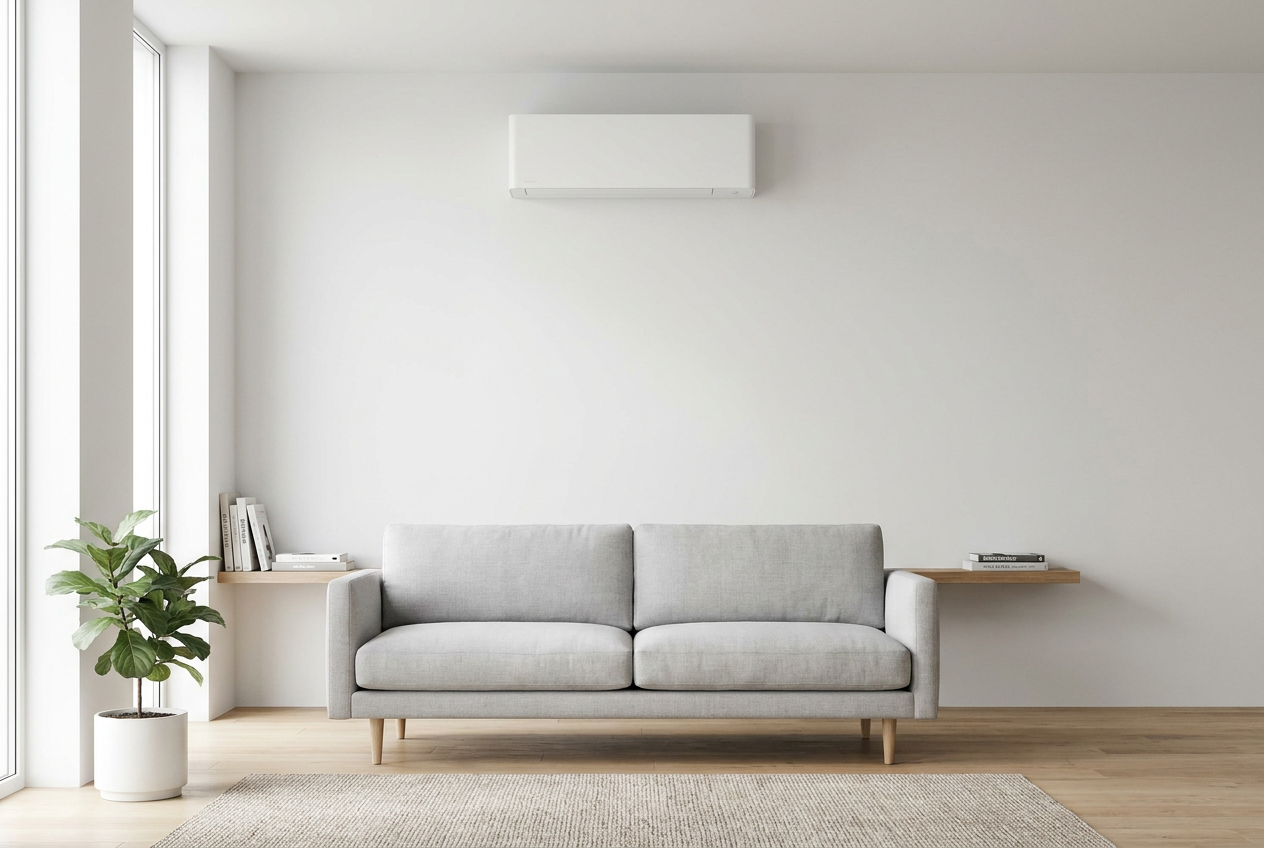
Most heat pumps will restart automatically once power is restored after an outage, but sometimes they need a manual reset to clear a fault or error code. The good news is that resetting a heat pump is straightforward and something most homeowners can do safely — no tools or trade qualifications required.
Why Does a Power Cut Affect My Heat Pump?
Heat pumps contain sensitive electronic control boards that can be disrupted by sudden power loss or voltage spikes when power is restored. As a safety measure, many units lock themselves into a fault or standby state after an outage rather than restarting immediately. This protects the compressor — the most expensive component — from damage caused by irregular power supply.
Some units also display an error code on the indoor unit's display panel after a power interruption. Don't panic; this is often just the system flagging that it lost power unexpectedly.
Step-by-Step: How to Reset Your Heat Pump
Follow these steps in order before assuming something is seriously wrong:
1. Wait a Few Minutes
After power is restored, give your heat pump 3–5 minutes before doing anything. Many units have a built-in delay timer (often 3 minutes) to protect the compressor. The unit may restart on its own.
2. Check Your Remote Control
Press the ON/OFF button on your remote. If the unit beeps and the display lights up, it's responding normally. Select your preferred mode (heating or cooling) and set your temperature.
3. Check the Indoor Unit's Display
If an error code is showing, note it down. Common codes like E1, F3, or P1 vary by brand (Mitsubishi Electric, Fujitsu, Daikin, Panasonic, etc.). Check your owner's manual or the manufacturer's website for what the code means — some clear themselves after a reset, while others indicate a fault needing a technician.
4. Perform a Manual Reset at the Unit
If the remote isn't working or the unit won't respond, locate the reset button on the indoor unit itself. On most brands this is a small recessed button (you may need a pen tip to press it). Hold it for 3–5 seconds. The unit should beep and restart.
5. Switch Off at the Wall or Isolator Switch
If the above steps haven't worked, turn the heat pump off at the wall switch or dedicated isolator switch (usually located near the indoor unit or on the wall nearby). Wait 10 minutes to allow capacitors to fully discharge, then switch it back on. This is the equivalent of a full power cycle and clears most electronic faults.
6. Check Your Switchboard
Head to your home's switchboard (fuse box) and check whether the circuit breaker for the heat pump has tripped. If it has, reset it by switching it fully off and then back on. If it trips again immediately, stop and call a qualified electrician — do not keep resetting a tripping breaker.
What If It Still Won't Start?
If your heat pump still won't operate after working through all the steps above, check the following:
- Is the outdoor unit running? Go outside and listen — you should hear the fan and compressor start within a minute or two of turning the indoor unit on.
- Is the filter light on? Some units lock out if the filter hasn't been cleaned. Check your manual for how to reset the filter indicator.
- Is there ice on the outdoor unit? In cold NZ winters, the outdoor unit can ice up. Most units run an automatic defrost cycle — wait 20–30 minutes and try again.
- Check for a dedicated isolator switch outside near the outdoor unit. Occasionally these trip or are accidentally switched off.
Understanding Your Heat Pump's Protection Features
Modern inverter heat pumps — the type most commonly installed in NZ homes — are designed to handle occasional power interruptions. Features like soft-start compressors and time-delay relays are built in specifically to cope with outages. If your unit is regularly struggling after power cuts, it may be worth asking an installer about a surge protector on the circuit, particularly if you live in an area with unstable power supply.
For guidance on energy-efficient heating in NZ homes, Energywise has useful information on heat pump operation and running costs.
When to Call a Professional
Call a qualified heat pump technician or electrician if:
- The circuit breaker trips repeatedly when you reset it — this is a sign of an electrical fault and is restricted electrical work under NZ law, meaning only a registered electrician (licensed with the Electrical Workers Registration Board) can investigate and repair it.
- The unit displays a persistent error code that doesn't clear after a full power cycle.
- You hear unusual noises (grinding, banging, or hissing) from the indoor or outdoor unit.
- The unit runs but produces no heating or cooling.
- There is any sign of burning smell, scorch marks, or visible damage near the unit or switchboard.
Safety note: Never open the indoor or outdoor unit casing, tamper with wiring, or attempt to service refrigerant components yourself. Refrigerant handling is restricted work in NZ and must only be carried out by a certified technician. For more on electrical safety, see WorkSafe NZ.
If you need a qualified heat pump installer or technician, you can find local professionals on tradedirectory.co.nz.



 ISO 9001






