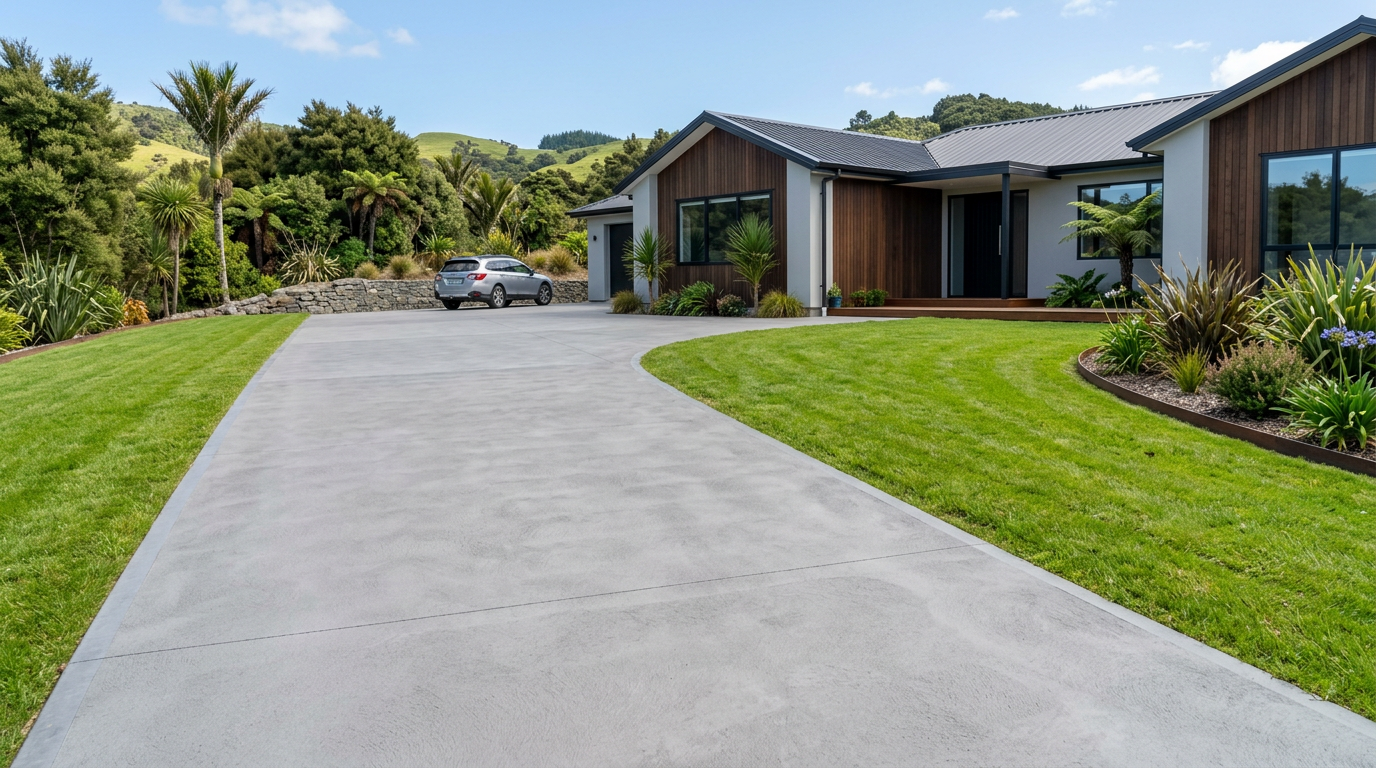
Paint and graffiti on concrete can be frustrating, but with the right approach most homeowners can tackle the job themselves. The best removal method depends on how long the paint has been there, what type of paint was used, and the texture of your concrete surface. Here's a practical guide to getting your concrete looking clean again.
Identify the Paint Type First
Before reaching for a product, try to work out what kind of paint you're dealing with. Water-based (latex) paints are generally easier to remove than oil-based or enamel paints, and fresh graffiti is always easier to shift than paint that has cured for months or years. If you're unsure, a small test patch with a water-based stripper will tell you quickly whether you need something stronger.
Method 1: Chemical Paint Strippers
Chemical stripping is often the most effective first step, especially for painted surfaces or fresh graffiti.
- Choose the right stripper: Look for a concrete-compatible paint stripper or graffiti remover at Bunnings or Mitre 10. Products labelled for masonry or concrete are formulated to penetrate without damaging the substrate.
- Apply generously: Brush or roll the stripper onto the affected area and cover with plastic sheeting to keep it wet and active — typically 20–60 minutes, but always follow the manufacturer's dwell time.
- Scrub and rinse: Use a stiff-bristled brush to agitate the loosened paint, then rinse thoroughly with clean water. A garden hose works for small areas.
- Repeat if needed: Stubborn or multi-layered paint may need two or three applications.
Safety note: Many chemical strippers contain strong solvents or caustic agents. Always wear chemical-resistant gloves, safety glasses, and work in a well-ventilated area. Check the Safety Data Sheet (SDS) for the product and follow disposal instructions — don't pour chemical waste down stormwater drains. See WorkSafe NZ for guidance on safe chemical handling.
Method 2: Pressure Washing
A pressure washer (also called a water blaster) is excellent for rinsing loosened paint after chemical treatment, and can sometimes remove fresh or thin coats of paint on its own.
- Use a minimum of 2,000–3,000 PSI for concrete — lower pressures won't be effective.
- Keep the nozzle 15–30 cm from the surface and use a fan-tip rather than a pinpoint jet to avoid etching or pitting the concrete.
- Pressure washing alone rarely removes fully cured paint but works brilliantly as a follow-up to chemical stripping.
- Hire a water blaster from a local hire centre if you don't own one — it's a cost-effective option for a one-off job.
Method 3: Mechanical Grinding or Sandblasting
For heavily painted surfaces, old stains, or large areas, mechanical methods may be necessary.
- Angle grinder with a diamond cup wheel or a floor grinder can strip paint back to bare concrete. This is effective but aggressive — it will alter the surface texture and may not be suitable for decorative or exposed-aggregate concrete.
- Sandblasting (abrasive blasting) is highly effective for large areas and graffiti on rough surfaces, but it requires specialist equipment and generates significant dust. This is generally best left to a professional.
- Always wear a P2 dust mask or respirator, hearing protection, and eye protection when grinding.
Graffiti-Specific Tips
- Act fast: Fresh graffiti (within 24–48 hours) is dramatically easier to remove than paint that has fully cured.
- Graffiti removers: Dedicated graffiti removal products are available from trade suppliers and hardware stores. Brands like Sika offer surface preparation and cleaning products suited to masonry.
- Anti-graffiti coatings: Once the surface is clean, consider applying an anti-graffiti sealer to make future clean-ups much easier. These sacrificial or permanent coatings are available from paint specialists including Resene and Dulux.
Comparing the Main Methods
| Method | Best For | Skill Level | Surface Impact |
|---|---|---|---|
| Chemical stripper | Most paint types, graffiti | Beginner–Intermediate | Low–Moderate |
| Pressure washing | Fresh paint, post-chemical rinse | Beginner | Low |
| Angle grinder / floor grinder | Heavy, cured paint; large areas | Intermediate | High |
| Sandblasting | Large areas, rough surfaces | Professional | High |
NZ-Specific Considerations
In New Zealand's variable climate, painted concrete in damp or shaded areas (common in many parts of the country) can develop mould or algae beneath the paint layer. If you notice green or black staining, treat with a fungicidal wash before painting or sealing the surface. BRANZ has useful guidance on surface preparation for concrete in NZ conditions.
If your concrete is part of a council footpath, retaining wall, or shared boundary, check with your local council before carrying out any work — some surfaces may be council-owned or subject to restrictions.
When to Call a Professional
Consider hiring a qualified concreter or surface restoration specialist if:
- The painted area is very large (over 20–30 m²)
- The paint contains lead (common in pre-1980s coatings) — lead paint removal is a health risk and should be handled by a professional following WorkSafe NZ guidelines
- The concrete is decorative, polished, or exposed aggregate and you're worried about surface damage
- Sandblasting or industrial grinding equipment is needed
- The graffiti is on a public or council-owned surface
You can find experienced local concreters and surface restoration specialists on tradedirectory.co.nz.



 Site Safe





