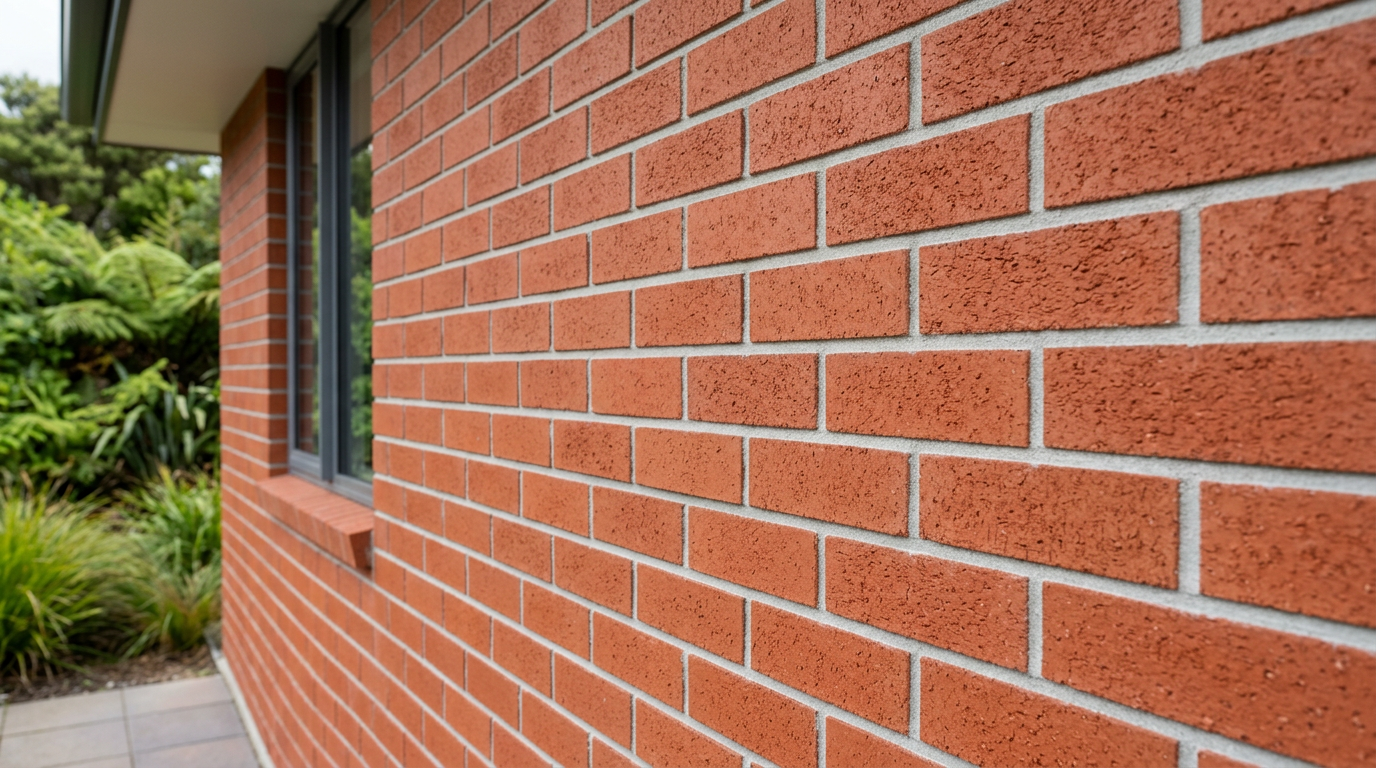
Removing paint from old brickwork is absolutely doable as a DIY project, but it requires patience and the right approach. Rush it or use the wrong method and you risk damaging the brick face or eroding the mortar joints — repairs that can be costly and tricky to match. The good news is that with a bit of preparation and the correct products, you can restore your brickwork to its natural character.
Why Old Brickwork Needs Special Care
Older New Zealand homes — particularly those built before the 1970s — often feature soft, handmade bricks that are far more porous and fragile than modern machine-made bricks. These bricks can be easily damaged by aggressive mechanical methods like angle grinders or high-pressure water blasting. The mortar joints in older homes are also frequently lime-based, which is softer and more vulnerable to chemical attack than modern cement mortar.
Before you start, identify what type of paint you're dealing with. Oil-based paints (common on older homes) respond differently to strippers than water-based (acrylic) paints. If your home was built before 1980, there is also a real possibility the paint contains lead. Test for lead before you begin — test kits are available at hardware stores like Bunnings or Mitre 10. If lead is present, follow WorkSafe NZ guidelines carefully, as sanding or blasting lead paint creates hazardous dust.
Method 1: Chemical Paint Strippers (Recommended for Old Brick)
For most old brickwork, a chemical paint stripper is the safest and most effective option. Look for a poultice-style or gel stripper designed specifically for masonry — these cling to vertical surfaces and penetrate without running off.
How to apply:
- Wet the brickwork lightly with clean water first — this slows absorption and helps the stripper work on the paint rather than soaking into the brick.
- Apply the stripper generously with a brush, following the manufacturer's instructions for dwell time (often 30 minutes to several hours).
- Once the paint has softened and bubbled, remove it using a stiff natural-bristle brush or wooden or plastic scraper — avoid metal scrapers on soft brick faces.
- Rinse thoroughly with clean water.
- Repeat for stubborn areas or multiple paint layers.
Always wear chemical-resistant gloves, eye protection, and old clothing. Work in a well-ventilated area and keep children and pets away. Check the product safety data sheet for disposal instructions — many strippers cannot go straight down the drain.
Method 2: Heat Gun
A heat gun can soften paint for scraping and works well on flat, accessible areas. Keep the heat gun moving constantly and hold it at least 50 mm from the surface to avoid thermal shock, which can crack or spall old bricks. This method is slower and less suited to textured or deeply recessed mortar joints. Do not use a heat gun if lead paint is suspected, as it volatilises lead fumes.
Method 3: Low-Pressure Wet Blasting
If chemical methods aren't shifting heavy paint build-up, low-pressure wet blasting (also called vapour blasting or dustless blasting) is a gentler alternative to traditional sandblasting. It uses water mixed with a fine abrasive at controlled pressure. This is best left to a professional operator, as incorrect pressure or abrasive choice can erode soft brick faces and mortar joints permanently.
Avoid high-pressure water blasting alone — it forces water deep into the masonry, can dislodge mortar, and may cause moisture problems inside your wall.
What to Avoid
- Angle grinders or wire wheel attachments — these will scar and permanently damage brick faces.
- Sandblasting at high pressure — strips the hard outer face off old bricks, leaving them porous and prone to weathering.
- Acid washing (hydrochloric/muriatic acid) — can dissolve lime mortar and stain bricks; only appropriate in specific situations and best handled by a professional.
- Pressure washing at high PSI — risks water ingress and mortar damage.
Preparing and Finishing Up
Once the paint is removed, inspect the mortar joints. If any are cracked, crumbling, or missing, they should be repointed before the wall is exposed to the elements. Use a mortar mix that matches the original in strength — using a mix that is too hard (high Portland cement content) on old soft brick can cause the bricks themselves to crack over time. BRANZ has useful guidance on appropriate mortar mixes for older masonry.
If you plan to leave the brick unpainted, consider applying a breathable masonry sealer to protect it from NZ's variable weather without trapping moisture inside the wall.
When to Call a Professional
Call a qualified bricklayer or masonry restoration specialist if:
- The brickwork is heritage-listed or part of a character home where council rules may apply.
- You suspect lead paint and are not confident managing the hazard safely — refer to WorkSafe NZ for guidance.
- There is significant mortar deterioration or structural cracking that needs assessment.
- The painted area is large, multi-storey, or requires scaffolding.
- You're unsure whether your bricks are soft enough to be damaged by standard methods.
A skilled bricklayer will assess your specific brick type and paint layers and choose the safest approach. You can find qualified local bricklayers on tradedirectory.co.nz.


 Licensed Building Practitioner (LBP)





