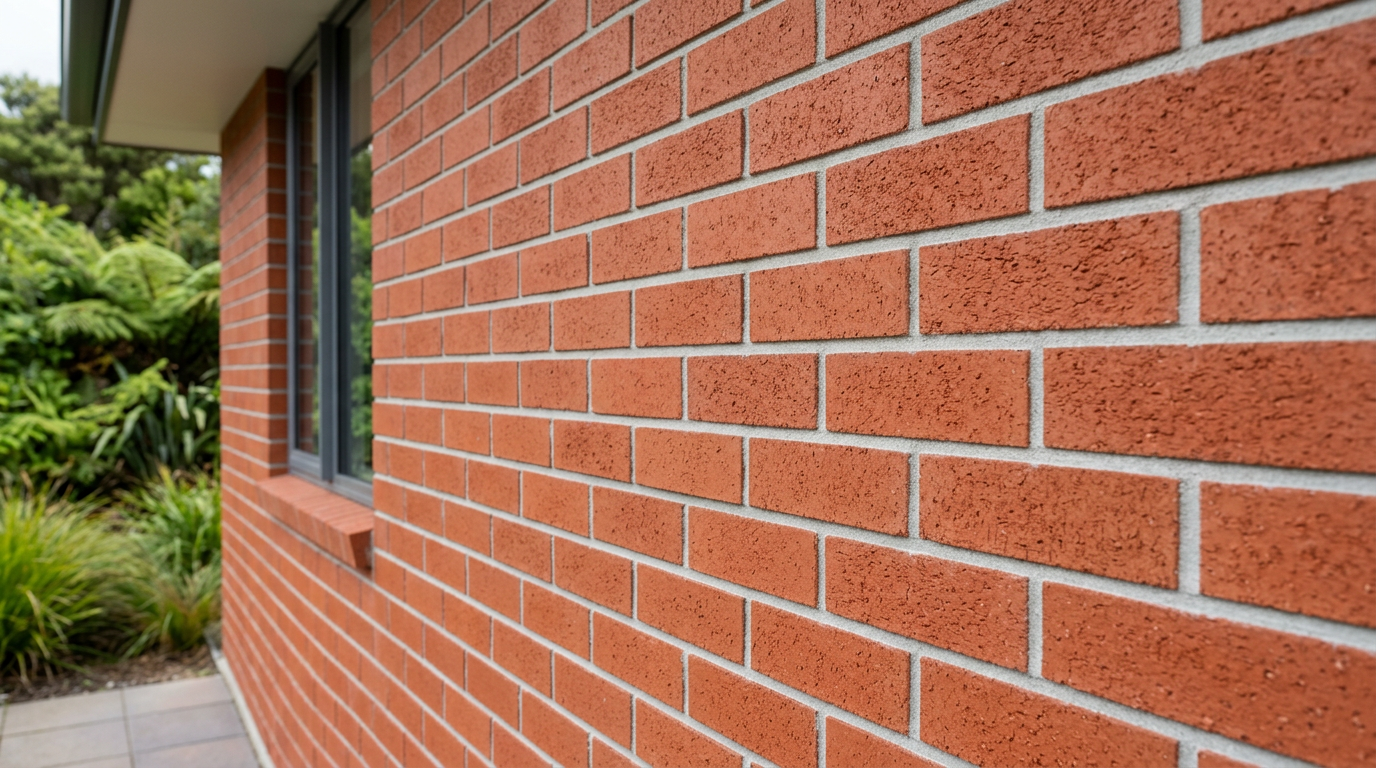
Removing old mortar from second-hand bricks is a satisfying but labour-intensive job that's well within reach of a capable DIYer. Done correctly, you'll end up with clean, reusable bricks that can add real character to a new wall, garden feature, or paving project — and save you a good deal of money compared to buying new. The key is patience and using the right technique for the type of mortar you're dealing with.
Assess the Bricks and Mortar First
Before you start swinging a hammer, take a close look at what you've got. Not all second-hand bricks are worth cleaning — check for:
- Cracks or spalling (flaking faces), which weaken the brick structurally
- Soft or crumbling brick faces, common in older NZ bricks made before the mid-20th century
- Type of mortar — older lime-based mortars are softer and easier to remove; modern cement mortars are much harder and require more effort
Older NZ homes (pre-1950s) often used lime mortar, which is relatively soft and comes away cleanly. Post-war bricks are more likely to have Portland cement mortar, which bonds more aggressively and can damage softer bricks if you're too forceful.
Tools You'll Need
- Brick bolster chisel (wide, flat-edged) — the most important tool
- Club hammer (about 1 kg)
- Wire brush (stiff-bristled, steel)
- Safety glasses — non-negotiable
- Heavy leather gloves
- Dust mask (P2 rated minimum — see safety note below)
- Sturdy work surface — a sandbag or old tyre works well to cushion the brick
Optional for larger quantities:
- Angle grinder with a mortar-raking disc (use with great care)
- Bench-mounted wire wheel
Step-by-Step: Manual Removal Method
This is the safest and most brick-friendly approach.
1. Set Up Your Work Area
Work outdoors or in a well-ventilated space. Lay the brick flat on your cushioned work surface. Never hold the brick in your hand while chiselling.
2. Chip Away the Bulk of the Mortar
Hold the bolster chisel at a low angle (roughly 30°) along the mortar joint line — not into the brick face. Strike firmly but not aggressively with the club hammer. The goal is to shear the mortar off, not to blast it. Work along the length of the mortar bed in short strokes.
3. Work Both Faces
Flip the brick and repeat on the other side. Most mortar will come away in chunks.
4. Clean Up with a Wire Brush
Once the bulk is removed, scrub the remaining residue firmly with a wire brush. This removes the thin skim of mortar left on the brick face and restores the texture.
5. Final Inspection
Check the brick for damage. A small amount of remaining mortar shadow is fine — it won't affect performance. Discard any bricks with cracks running through the body.
Using an Angle Grinder (Advanced)
An angle grinder fitted with a diamond mortar-raking disc can speed things up considerably on hard cement mortar, but it carries real risks:
- It's easy to grind into the brick face and ruin it
- It generates significant silica dust (see safety note)
- Kickback can cause injury
If you use this method, keep the disc moving constantly, use light pressure, and always wear a P2 dust mask, eye protection, and hearing protection. This method is best left to those with grinder experience.
The Silica Dust Safety Warning
This is important. Brick and mortar dust contains crystalline silica, which causes serious and irreversible lung disease (silicosis) with repeated exposure. Always wear a P2-rated dust mask (not just a paper dust mask) when chipping, grinding, or wire-brushing bricks. Work outdoors where possible, and wet the surface lightly to suppress dust if you're doing a large batch. WorkSafe NZ has detailed guidance on managing silica dust exposure.
Chemical Removal: Brick Acid
For stubborn cement mortar residue, brick acid (hydrochloric/muriatic acid solution) can dissolve the last traces after mechanical removal. Use it carefully:
- Always dilute as directed on the label (typically 1 part acid to 10 parts water — add acid to water, never the reverse)
- Wet the brick thoroughly before applying acid
- Scrub with a stiff brush, then rinse very well with clean water
- Wear acid-resistant gloves, eye protection, and old clothing
- Never use acid on limestone, sandstone, or calcium silicate bricks — it will damage them
Brick acid is available from Bunnings and Mitre 10. Always read the product safety data sheet before use.
Tips for Efficiency on Large Quantities
| Mortar Type | Best Removal Method | Difficulty |
|---|---|---|
| Old lime mortar | Bolster chisel + wire brush | Easy |
| Cement mortar (thin bed) | Bolster chisel + wire brush | Moderate |
| Cement mortar (thick bed) | Angle grinder + wire brush | Hard |
| Stubborn residue (any) | Brick acid wash after mechanical removal | Moderate |
- Set up a production line: chip, brush, inspect, stack
- Keep cleaned bricks stacked on a flat pallet to avoid re-contamination
- Dampen bricks before relaying — dry second-hand bricks absorb water from fresh mortar too quickly, weakening the bond
NZ Building Code Considerations
If you're reusing bricks in a structural wall, be aware that the NZ Building Code and standards such as NZS 4210 (masonry construction) set requirements for brick quality and mortar specification. Structural brickwork generally requires a building consent — check with your local council before starting. Decorative, non-structural uses (garden walls under 1.5 m, paving, fireplace surrounds) are typically lower-risk, but always confirm consent requirements with your council. BRANZ is a useful resource for understanding NZ masonry best practice.
When to Call a Professional
Consider hiring a qualified bricklayer if:
- You have a large volume of bricks to clean and time is limited
- The bricks are going into a structural or load-bearing wall
- You're unsure whether the mortar contains asbestos (possible in pre-1990 NZ construction — stop work and get it tested before proceeding)
- The project requires a building consent and licensed building practitioner sign-off
You can find experienced, local bricklayers on tradedirectory.co.nz who can assess your bricks and handle the job safely and efficiently.


 Licensed Building Practitioner (LBP)





