Dried acrylic paint on your carpet or timber floor is frustrating, but it's not always a disaster. With the right approach and a bit of patience, you can often remove most or all of the paint without damaging the surface underneath. The key is acting methodically and testing any product in a hidden spot first.
Understanding Acrylic Paint
Acrylic paint is water-based when wet, but once it dries it forms a flexible plastic film that bonds firmly to surfaces. This means water alone won't shift it once it's cured. You'll need a combination of mechanical action (scraping, picking) and a suitable solvent or softening agent to break down the dried film.
What You'll Need
Gather these items before you start:
- Blunt plastic scraper or old credit card
- Stiff-bristled brush or old toothbrush
- Clean white cloths or paper towels
- Warm water and a few drops of dish soap
- Isopropyl alcohol (rubbing alcohol, available at pharmacies and hardware stores)
- Commercial paint remover or acrylic paint softener (check your local Bunnings or Mitre 10)
- Methylated spirits (for stubborn spots — use with caution on timber)
- Carpet cleaner or timber floor cleaner appropriate for your floor type
Removing Dried Acrylic Paint from Carpet
Step 1 — Scrape off the bulk
Use a blunt plastic scraper or the edge of an old credit card to gently lift and flake away as much of the dried paint as possible. Work from the outer edges of the paint spot inward to avoid spreading it. Vacuum up the loosened flakes.
Step 2 — Soften the remaining paint
Dampen a clean cloth with isopropyl alcohol (70% or higher) and press it firmly onto the dried paint. Let it sit for 1–2 minutes to soften the acrylic film. Blot and work the area with a stiff brush in a circular motion. Repeat as needed, using a fresh section of cloth each time.
Test first: Always test isopropyl alcohol on a hidden section of carpet to check it won't affect the colour or fibres.
Step 3 — Clean the residue
Once the paint is lifted, mix a small amount of dish soap with warm water and work it into the area with a cloth. Blot — don't rub — to lift any remaining residue. Rinse with a clean damp cloth and blot dry. Allow the carpet to dry fully before walking on it.
Step 4 — Stubborn stains
For paint that won't budge, a commercial acrylic paint remover or a product like Goo Gone (available at hardware stores) can help. Follow the manufacturer's instructions carefully and ventilate the room well. If the stain remains, a carpet cleaning professional may be able to help.
Removing Dried Acrylic Paint from Timber Floors
Timber floors require extra care — aggressive solvents or excessive moisture can damage the finish or the timber itself.
Step 1 — Scrape carefully
Use a plastic scraper at a low angle to gently lift the dried paint. Avoid metal scrapers on finished timber as they can scratch the surface. Work slowly and patiently.
Step 2 — Soften with isopropyl alcohol
Dampen a cloth with isopropyl alcohol and hold it on the paint spot for a minute or two. Gently rub in the direction of the timber grain. This is usually effective on polyurethane or lacquered finishes without damaging them, but always test in an inconspicuous spot first.
Step 3 — Try methylated spirits for stubborn spots
If isopropyl alcohol isn't enough, methylated spirits can be more effective. Apply sparingly with a cloth, work quickly, and wipe away immediately. Methylated spirits can dull some floor finishes, so use it as a last resort and test first.
Step 4 — Clean and condition
Once the paint is removed, clean the area with a timber floor cleaner suitable for your floor's finish. If the finish looks dull or slightly affected, a light application of floor polish or wax (appropriate for your floor type) can help restore the sheen.
A note on oiled or waxed timber floors
Oiled or waxed timber floors are more sensitive to solvents. On these surfaces, try warm soapy water first, and consult the floor manufacturer's care guide before using any solvent.
Tips to Prevent Future Paint Spills
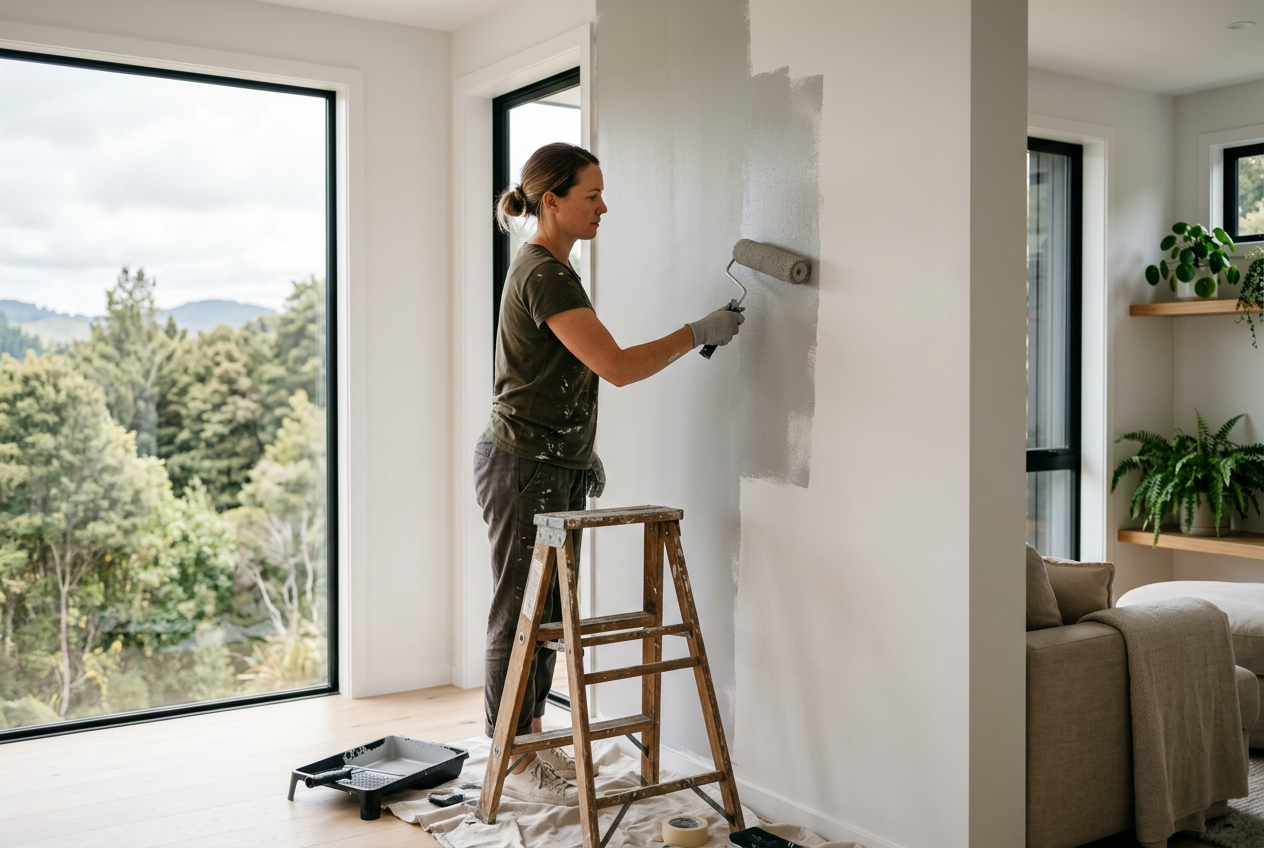
- Always lay drop sheets (canvas or plastic) over floors before painting — this is standard practice recommended by professional painters
- Use painter's tape around skirting boards and edges
- Keep a damp cloth handy to wipe up wet acrylic spills immediately — wet acrylic is far easier to remove than dried
- Resene and Dulux both offer guidance on paint clean-up on their websites
When to Call a Professional
If the paint has soaked deep into carpet fibres, covers a large area, or if your timber floor has a delicate or valuable finish, it's worth calling in a professional. A qualified painter or floor specialist can assess the damage and use professional-grade products without risking further harm. For significant carpet damage, a carpet layer or cleaning specialist may be the better call. You can find qualified local tradespeople on tradedirectory.co.nz.
If you're unsure about the type of finish on your timber floor, check with the installer or manufacturer before applying any solvent — the wrong product can cause costly damage.

 BCITO Qualified

 Master Painters NZ
 Site Safe