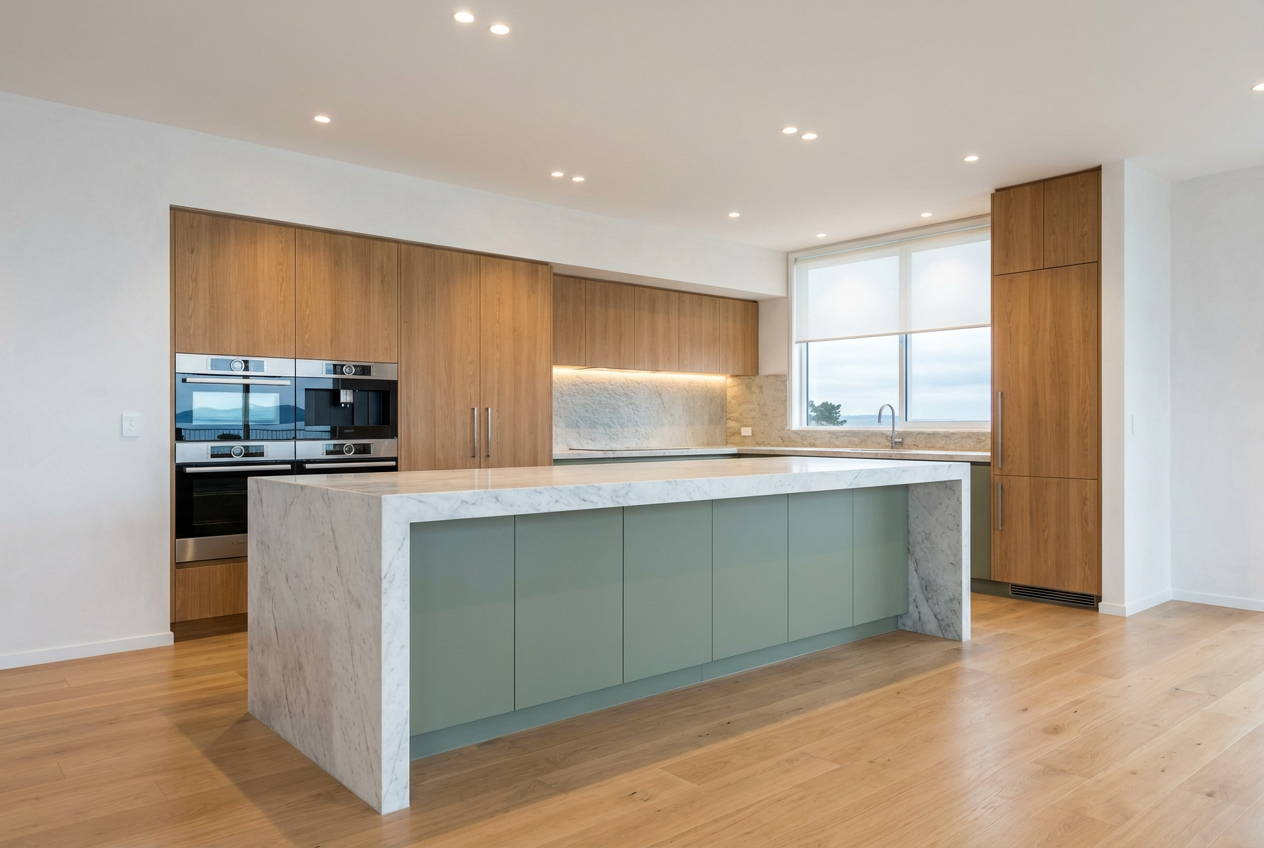
A cabinet hinge pulling out of MDF is one of the most common cabinet repairs in NZ homes — and the good news is it's usually a straightforward DIY fix. Because MDF (medium-density fibreboard) doesn't grip screws as well as solid timber, the fix isn't as simple as just screwing it back in; you need to rebuild the holding strength of the material first.
Why Hinges Pull Out of MDF
MDF is made from compressed wood fibres and resin, which gives it a smooth, paintable surface but relatively poor screw-holding strength — especially near edges. When a hinge is repeatedly stressed (heavy doors, slamming, or overloading), the fibres around the screw holes compress and break down, leaving a loose, crumbly hole that won't grip a screw.
Understanding this helps you choose the right repair method rather than just forcing a bigger screw in and hoping for the best.
What You'll Need
- Screwdriver (manual or cordless drill)
- The original hinge (or a replacement if damaged)
- One or more of the repair materials below
- Sandpaper (120–180 grit)
- Clamps (optional but helpful)
Method 1: Toothpick or Matchstick Fill (Minor Damage)
If the screw hole is only slightly enlarged and the surrounding MDF is still solid, this quick fix often works well:
- Remove the hinge and clean out any loose debris from the hole.
- Apply a small amount of PVA wood glue to several wooden toothpicks or matchsticks (with heads removed).
- Pack them tightly into the hole and snap or trim them flush once the glue sets.
- Allow to dry fully (at least 2–4 hours, ideally overnight).
- Reattach the hinge by driving the original screws back in — the wood fibres give the screw something solid to bite into.
This method works best for small pilot holes that haven't caused significant damage to the surrounding MDF.
Method 2: Two-Part Epoxy Filler (Moderate Damage)
For holes that are more chewed out, a two-part epoxy wood filler gives a much harder, more durable repair:
- Remove loose material from the hole with a pick or small screwdriver.
- Mix the epoxy filler according to the manufacturer's instructions.
- Pack the filler firmly into the hole, slightly overfilling it.
- Allow to cure fully — check the product datasheet for times.
- Once hardened, drill a new pilot hole (slightly smaller than your screw diameter) into the cured filler.
- Reattach the hinge. The cured epoxy is often harder than the surrounding MDF and holds screws very well.
Products like Sika adhesives and fillers are widely available at Bunnings and Mitre 10. Always follow the manufacturer's safety and mixing instructions.
Method 3: Relocate the Hinge (Significant Damage)
If the MDF around the hinge cup or screw holes is badly crushed or crumbling, the most reliable fix is to move the hinge position slightly:
- Fill the old hinge cup hole with epoxy filler and allow to cure.
- Mark a new hinge position 10–20 mm above or below the original (check that the door alignment still works).
- Use a 35 mm Forstner bit to drill the new hinge cup recess to the correct depth (typically 12–13 mm — check your hinge spec).
- Drill pilot holes and reattach the hinge.
This approach gives you fresh, undamaged MDF to work with.
Method 4: Hinge Repair Plates or Larger Screws
Some hardware stores stock hinge repair plates — small metal backing plates that spread the load over a wider area. These can be useful where repeated repairs have weakened a larger section of the panel. Alternatively, moving up one screw size (e.g., from a No. 6 to a No. 8) with a matching pilot hole can improve grip, but only if the surrounding material is still sound.
Tips for a Long-Lasting Repair
- Always drill a pilot hole before driving screws into MDF — forcing screws in without one splits the fibres and weakens the hold.
- Use coarse-thread screws rather than fine-thread; they grip MDF fibres better.
- If the cabinet door is heavy, consider upgrading to soft-close hinges — they reduce the impact stress that causes pull-out in the first place.
- Avoid over-tightening screws in MDF; stop as soon as the hinge sits flush and firm.
Matching the Finish
If your repair involves any surface filling near a painted finish, you may need to touch up the paint once everything is dry. Resene and Dulux both offer a wide range of interior trim and cabinet paints suitable for MDF surfaces.
When to Call a Professional
This repair is generally safe and manageable for a confident DIYer. However, consider calling a qualified cabinet maker if:
- Multiple hinges have pulled out, suggesting a systemic problem with the cabinet construction or door weight.
- The MDF panel itself is delaminating, swollen (often from moisture), or structurally compromised.
- The cabinet is a high-end or custom piece where a botched repair could be costly.
- You're not confident drilling hinge cup recesses accurately — an off-centre cup can cause the door to bind or sit unevenly.
A skilled cabinet maker can assess whether the panel needs replacing entirely, which is sometimes more cost-effective than repeated repairs. You can find qualified local cabinet makers on tradedirectory.co.nz.